<!DOCTYPE html>
    <html lang="vi" xmlns="http://www.w3.org/1999/xhtml" prefix="og: http://ogp.me/ns#">
    <head>
<title>Mở cho Thế giới - truy cập mở ở viện bảo tàng cung điện quốc gia Đài Loan</title>
<meta name="description" content="Mở cho Thế giới - truy cập mở ở viện bảo tàng cung điện quốc gia Đài Loan - Savefile - Blogs -...">
<meta name="author" content="Blog FOSS by Lê Trung Nghĩa">
<meta name="copyright" content="Blog FOSS by Lê Trung Nghĩa [webmaster@vinades.vn]">
<meta name="generator" content="NukeViet v4.5">
<meta http-equiv="Content-Type" content="text/html; charset=utf-8">
<meta property="og:title" content="Mở cho Thế giới - truy cập mở ở viện bảo tàng cung điện quốc gia Đài Loan">
<meta property="og:type" content="website">
<meta property="og:description" content="Savefile - Blogs - https&#x3A;&#x002F;&#x002F;letrungnghia.mangvn.org&#x002F;savefile&#x002F;Education&#x002F;mo-cho-the-gioi-truy-cap-mo-o-vien-bao-tang-cung-dien-quoc-gia-dai-loan-6400.html">
<meta property="og:site_name" content="Blog FOSS by Lê Trung Nghĩa">
<meta property="og:url" content="https://letrungnghia.mangvn.org/savefile/Education/mo-cho-the-gioi-truy-cap-mo-o-vien-bao-tang-cung-dien-quoc-gia-dai-loan-6400.html">
<link rel="shortcut icon" href="https://letrungnghia.mangvn.org/favicon.ico">
<link rel="canonical" href="https://letrungnghia.mangvn.org/savefile/Education/mo-cho-the-gioi-truy-cap-mo-o-vien-bao-tang-cung-dien-quoc-gia-dai-loan-6400.html">
<link rel="alternate" href="https://letrungnghia.mangvn.org/rss/" title="Blogs" type="application/rss+xml">
<link rel="alternate" href="https://letrungnghia.mangvn.org/rss/Government/" title="Blogs - Government" type="application/rss+xml">
<link rel="alternate" href="https://letrungnghia.mangvn.org/rss/Policy/" title="Blogs - Policy" type="application/rss+xml">
<link rel="alternate" href="https://letrungnghia.mangvn.org/rss/Philosophy/" title="Blogs - Philosophy" type="application/rss+xml">
<link rel="alternate" href="https://letrungnghia.mangvn.org/rss/Security/" title="Blogs - Security" type="application/rss+xml">
<link rel="alternate" href="https://letrungnghia.mangvn.org/rss/Legal/" title="Blogs - Legal" type="application/rss+xml">
<link rel="alternate" href="https://letrungnghia.mangvn.org/rss/Education/" title="Blogs - Education" type="application/rss+xml">
<link rel="alternate" href="https://letrungnghia.mangvn.org/rss/Business/" title="Blogs - Business" type="application/rss+xml">
<link rel="alternate" href="https://letrungnghia.mangvn.org/rss/Community/" title="Blogs - Community" type="application/rss+xml">
<link rel="alternate" href="https://letrungnghia.mangvn.org/rss/Interoperability/" title="Blogs - Interoperability" type="application/rss+xml">
<link rel="alternate" href="https://letrungnghia.mangvn.org/rss/Standards/" title="Blogs - Standards" type="application/rss+xml">
<link rel="alternate" href="https://letrungnghia.mangvn.org/rss/Author/" title="Blogs - Author" type="application/rss+xml">
<link rel="alternate" href="https://letrungnghia.mangvn.org/rss/Opinions/" title="Blogs - Opinions" type="application/rss+xml">
<link rel="alternate" href="https://letrungnghia.mangvn.org/rss/CC/" title="Blogs - CC" type="application/rss+xml">
<link rel="alternate" href="https://letrungnghia.mangvn.org/rss/Cloud/" title="Blogs - Cloud" type="application/rss+xml">
<link rel="alternate" href="https://letrungnghia.mangvn.org/rss/Hardware/" title="Blogs - Hardware" type="application/rss+xml">
<link rel="alternate" href="https://letrungnghia.mangvn.org/rss/Software/" title="Blogs - Software" type="application/rss+xml">
<link rel="alternate" href="https://letrungnghia.mangvn.org/rss/Statistics/" title="Blogs - Statistics" type="application/rss+xml">
<link rel="alternate" href="https://letrungnghia.mangvn.org/rss/Trends/" title="Blogs - Trends" type="application/rss+xml">
<link rel="alternate" href="https://letrungnghia.mangvn.org/rss/China/" title="Blogs - China" type="application/rss+xml">
<link rel="alternate" href="https://letrungnghia.mangvn.org/rss/OSs/" title="Blogs - OSs" type="application/rss+xml">
<link rel="alternate" href="https://letrungnghia.mangvn.org/rss/Blogs/" title="Blogs - Blogs" type="application/rss+xml">
<link rel="alternate" href="https://letrungnghia.mangvn.org/rss/Outsourcing/" title="Blogs - Outsourcing" type="application/rss+xml">
<link rel="alternate" href="https://letrungnghia.mangvn.org/rss/elearning/" title="Blogs - Elearning" type="application/rss+xml">
<link rel="preload" as="style" href="https://letrungnghia.mangvn.org/assets/css/font-awesome.min.css" type="text/css">
<link rel="preload" as="style" href="https://letrungnghia.mangvn.org/themes/default/css/bootstrap.non-responsive.css" type="text/css">
<link rel="preload" as="style" href="https://letrungnghia.mangvn.org/themes/default/css/style.css" type="text/css">
<link rel="preload" as="style" href="https://letrungnghia.mangvn.org/themes/default/css/style.non-responsive.css" type="text/css">
<link rel="preload" as="style" href="https://letrungnghia.mangvn.org/themes/default/css/news.css" type="text/css">
<link rel="preload" as="style" href="https://letrungnghia.mangvn.org/themes/default/css/custom.css" type="text/css">
<link rel="preload" as="style" href="https://letrungnghia.mangvn.org/assets/css/default.vi.1106.css" type="text/css">
<link rel="preload" as="script" href="https://letrungnghia.mangvn.org/assets/js/jquery/jquery.min.js" type="text/javascript">
<link rel="preload" as="script" href="https://letrungnghia.mangvn.org/assets/js/language/vi.js" type="text/javascript">
<link rel="preload" as="script" href="https://letrungnghia.mangvn.org/assets/js/DOMPurify/purify3.js" type="text/javascript">
<link rel="preload" as="script" href="https://letrungnghia.mangvn.org/assets/js/global.js" type="text/javascript">
<link rel="preload" as="script" href="https://letrungnghia.mangvn.org/assets/js/site.js" type="text/javascript">
<link rel="preload" as="script" href="https://letrungnghia.mangvn.org/themes/default/js/news.js" type="text/javascript">
<link rel="preload" as="script" href="https://letrungnghia.mangvn.org/themes/default/js/main.js" type="text/javascript">
<link rel="preload" as="script" href="https://letrungnghia.mangvn.org/themes/default/js/custom.js" type="text/javascript">
<link rel="preload" as="script" href="https://letrungnghia.mangvn.org/themes/default/js/bootstrap.min.js" type="text/javascript">
<link rel="stylesheet" href="https://letrungnghia.mangvn.org/assets/css/font-awesome.min.css">
<link rel="stylesheet" href="https://letrungnghia.mangvn.org/themes/default/css/bootstrap.non-responsive.css">
<link rel="stylesheet" href="https://letrungnghia.mangvn.org/themes/default/css/style.css">
<link rel="stylesheet" href="https://letrungnghia.mangvn.org/themes/default/css/style.non-responsive.css">
<link rel="StyleSheet" href="https://letrungnghia.mangvn.org/themes/default/css/news.css">
<link rel="stylesheet" href="https://letrungnghia.mangvn.org/themes/default/css/custom.css">
<link rel="stylesheet" href="https://letrungnghia.mangvn.org/assets/css/default.vi.1106.css">
<style type="text/css">
	body{background: #fff;}
</style>
<script>(function(i,s,o,g,r,a,m){i['GoogleAnalyticsObject']=r;i[r]=i[r]||function(){
(i[r].q=i[r].q||[]).push(arguments)},i[r].l=1*new Date();a=s.createElement(o),
m=s.getElementsByTagName(o)[0];a.async=1;a.src=g;m.parentNode.insertBefore(a,m)
})(window,document,'script','https://www.google-analytics.com/analytics.js','ga');
ga('create', 'UA-70254229-3', '');
ga('send', 'pageview');
</script>
</head>
    <body>
<div id="print">
	<div id="hd_print">
		<h2 class="pull-left">Blog FOSS by Lê Trung Nghĩa</h2>
		<p class="pull-right"><a title="Blog FOSS by Lê Trung Nghĩa" href="https://letrungnghia.mangvn.org/">https://letrungnghia.mangvn.org</a></p>
	</div>
	<div class="clear"></div>
	<hr />
	<div id="content">
		<h1>Mở cho Thế giới - truy cập mở ở viện bảo tàng cung điện quốc gia Đài Loan</h1>
		<ul class="list-inline">
			<li>Thứ ba - 21/04/2020 07:41</li>
			<li class="hidden-print txtrequired"><em class="fa fa-print">&nbsp;</em><a title="In ra" href="javascript:;" onclick="window.print()">In ra</a></li>
			<li class="hidden-print txtrequired"><em class="fa fa-power-off">&nbsp;</em><a title="Đóng cửa sổ này" href="javascript:;" onclick="window.close()">Đóng cửa sổ này</a></li>
		</ul>
		<div class="clear"></div>
		<div id="hometext">
		</div>
				<div class="imghome">
			<img alt="Mở cho Thế giới - truy cập mở ở viện bảo tàng cung điện quốc gia Đài Loan" src="https://giaoducmo.avnuc.vn/uploads/news/2020_04/12a.png" width="460" class="img-thumbnail" />
		</div>
		<div class="clear"></div>
		<div id="bodytext" class="clearfix">
			<span style="line-height:115%"><b><span style="background:rgb(255, 242, 0);">Open for the World — open access at Taiwan’s National Palace Museum</span></b></span><br  />
<span style="line-height:115%"><a href="https://medium.com/@CultureDoug?source=post_page-----870174c5ba31----------------------">Douglas McCarthy</a>, <a href="https://medium.com/open-glam/open-for-the-world-open-access-at-taiwans-national-palace-museum-870174c5ba31?source=post_page-----870174c5ba31----------------------">Jan 24</a> · 7 min read</span><br  />
<span style="line-height:115%">Theo: <a href="https://medium.com/open-glam/open-for-the-world-open-access-at-taiwans-national-palace-museum-870174c5ba31">https://medium.com/open-glam/open-for-the-world-open-access-at-taiwans-national-palace-museum-870174c5ba31</a></span><br  />
<span style="line-height:115%">Bài được đưa lên Internet ngày: 24/01/2020</span>
<div style="text-align:center"><img alt="" height="648" src="https://giaoducmo.avnuc.vn/uploads/news/2020_04/12a.png" width="750" /></div>

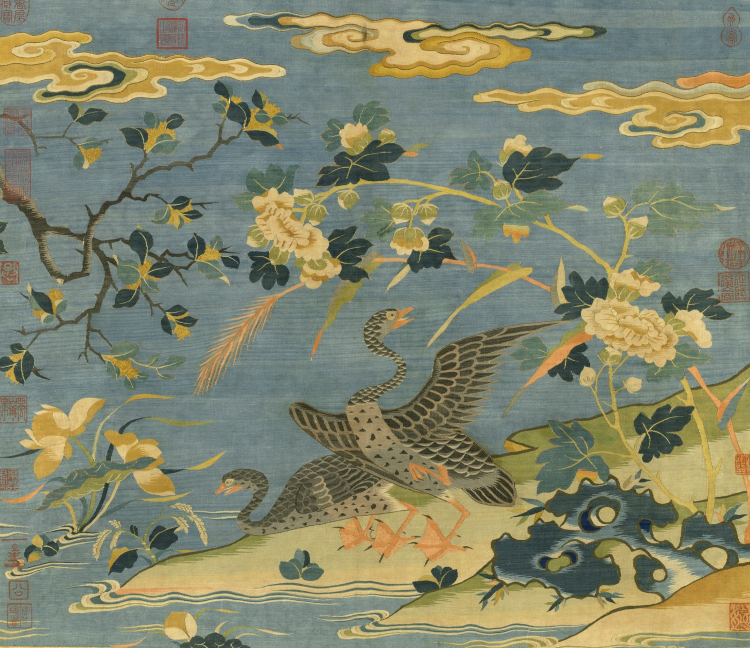
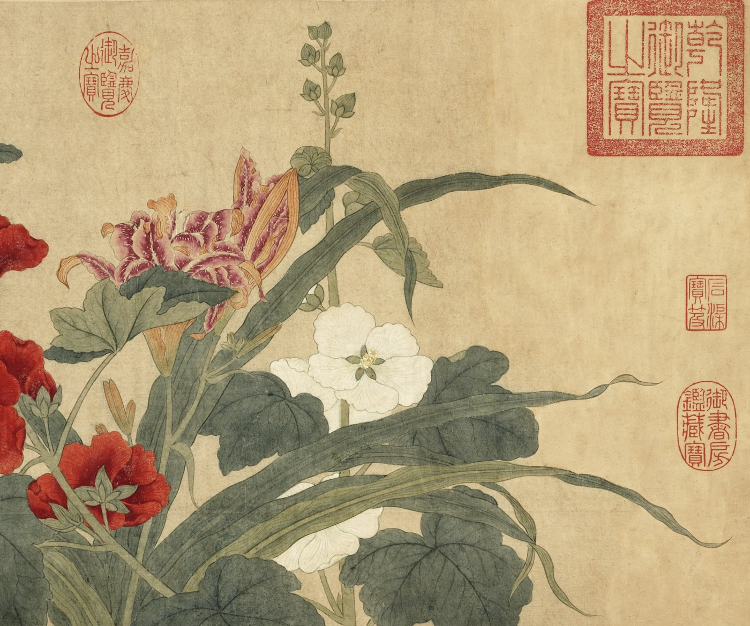
<div style="text-align: center;"><span style="line-height:115%"><a href="https://theme.npm.edu.tw/opendata/DigitImageSets.aspx?sNo=04014879&amp;lang=2" target="_blank">Hibiscus With Wild Geese</a>, thảm lụa, triều đại Song (960–1279). Viện bảo tàng Cung điện Quốc gia, giấy phép Dữ liệu Chính phủ Mở</span></div>

<div style="text-align: justify;"><span style="line-height:115%"><strong>Viện bảo tàng Cung điện Quốc gia (</strong><strong><a href="https://www.npm.gov.tw/en/" target="_blank">National Palace Museum</a></strong><strong>) Đài Loan có bộ sưu tập thường trực với gần 700.000 chế tác và tác phẩm nghệ thuật hoàng gia Trung Hoa cổ đại, xoay quanh 8.000 năm nghệ thuật Trung Hoa từ thời kỳ đồ đá tới nay.</strong></span><br  />
<span style="line-height:115%"><strong>Vào năm 2015, Viện bảo tàng đã áp dụng các chính sách dữ liệu mở để làm cho các hình ảnh của các bộ sưu tập và các tư liệu nghiên cứu của nó truy cập được nhiều hơn tới công chúng. Trợ lý nghiên cứu <a href="https://www.linkedin.com/in/wendy-wu-yun-mao-1b5a2a42/" target="_blank">Wendy, Wu-Yun, Mao</a> nói cho chúng tôi chính sách đó đã được phát triển như thế nào và tác động của nó từng là gì. </strong></span><br  />
<span style="line-height:115%"><b>Chào Wendy, nền tảng của bạn là gì và bạn làm gì ở viện bảo tàng này?</b></span><br  />
<span style="line-height:115%">Tôi là nghiên cứu viên thường trực ở viện bảo tàng cung điện quốc gia – NPM (National Palace Museum) ở Đài Loan. Tôi là cử nhân luật và tôi có bằng thạc sỹ về quản lý sở hữu trí tuệ và trước khi tới NPM, tôi từng là người bán hàng về pháp lý và cấp phép trong nội bộ ở một công ty nổi tiếng có trụ sở ở Đài Loan và Trung Quốc.</span><br  />
<span style="line-height:115%">Tôi hiện nay là phó giám đốc bộ phận tiếp thị &amp; cấp phép của NPM. Công việc của tôi xoay quanh nhiều khía cạnh khác nhau của quản lý và cấp phép sở hữu trí tuệ (IP), và tôi là người duy nhất ở viện bảo tàng chuyên về lĩnh vực này. Làm việc về chính sách truy cập mở của NPM là một trong những nhiệm vụ nghề nghiệp quan trọng của tôi.</span><br  />
<span style="line-height:115%"><b>Bạn có thể tóm tắt chính sách truy cập mở của viện bảo tàng cho các độc giả của chúng tôi được không?</b></span><br  />
<span style="line-height:115%">Thay vì một chính sách, tôi có thể mô tả nó như là một “phong trào” hoặc “cuộc cách mạng” ở viện bảo tàng này. Việc giải phóng truy cập tới các bộ sưu tập số của chúng tôi đã dẫn tới sự thay đổi dạng thức trong quản trị văn hóa và định giá trị rộng lớn hơn của NPM (cả cho các chế tác vật lý và các tác phẩm phái sinh) từ chủ nghĩa bảo hộ (Protectionism) sang văn hóa tự do.</span><br  />
<span style="line-height:115%">Bằng việc áp dụng truy cập mở chúng tôi muốn xây dựng các kết nối giữa viện bảo tàng và công chúng, để đạt được mục tiêu cuối cùng về dân chủ hóa viện bảo tàng. Tiếp cận của chúng tôi bao trùm một loạt các dịch vụ và tài nguyên. Điều đó không chỉ là về việc chào các hình ảnh tự do không mất tiền để tải về. Điều đó cũng là về việc làm cho các dịch vụ của viện bảo tàng thân thiện hơn, ví dụ bằng việc cho phép chụp ảnh trong các phòng trưng bày, chào mở cửa tự do không mất tiền sau 4h30 chiều, .v.v.</span><br  />
<span style="line-height:115%">Việc trao quyền cho các khán thính phòng của chúng tôi để diễn giải và sử dụng lại các bộ sưu tập của chúng tôi như họ muốn là sự ưu đãi mạnh cho mọi người để tham gia, hưởng thụ và cùng sáng tạo trong viện bảo tàng. Chúng tôi nghĩ rằng tất cả các biện pháp đó là các cổng vào tới ‘truy cập mở’ giúp cho mọi người hưởng thụ NPM theo một cách thức dễ dàng hơn và được chào đón hơn.</span></div>

<div style="text-align:center"><img alt="" height="1178" src="https://giaoducmo.avnuc.vn/uploads/news/2020_04/12b.png" width="750" /></div>

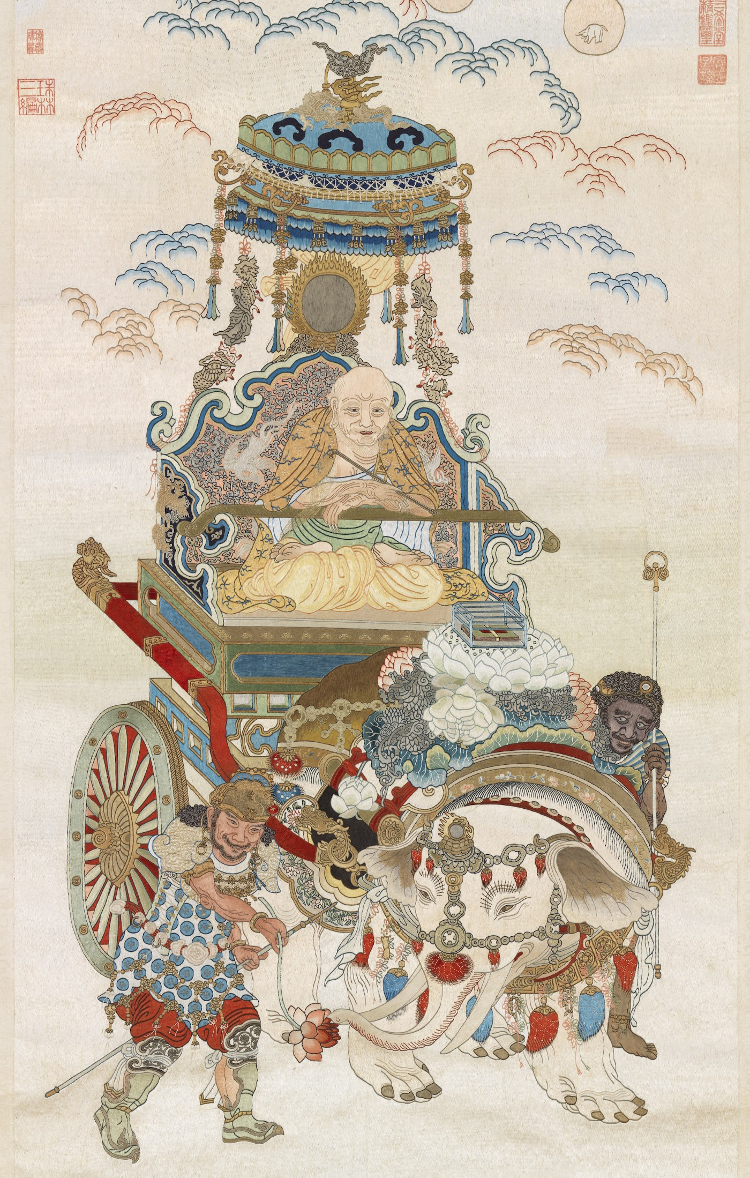
<div style="text-align: center;"><span style="line-height:115%"><a href="https://theme.npm.edu.tw/opendata/DigitImageSets.aspx?sNo=04016519&amp;lang=2" target="_blank">Đức </a><a href="https://theme.npm.edu.tw/opendata/DigitImageSets.aspx?sNo=04016519&amp;lang=2" target="_blank">Phật với Voi trắng</a> (thảm lụa), triều đại Qing (1636–1911). Viện bảo tàng Cung điện Quốc gia, giấy phép Chính phủ Mở</span></div>

<div style="text-align: justify;"><span style="line-height:115%"><b>Điều gì đã truyền cảm hứng cho chính sách đó và nó được phát triển như thế nào?</b></span><br  />
<span style="line-height:115%">Cựu giám đốc của chúng tôi, ông Lin đã phát triển khái niệm “công khai hóa NPM”. Ông đã viện lý rằng, vì các lý do lịch sử và văn hóa khác nhau, từ lâu NPM đã có ít kết nối thực tế với các công dân Đài Loan. Dù NPM có bộ sưu tập không thể tin nổi các chế tác Trung Hoa và từng được thừa nhận như là một trong những viện bảo tàng lớn nhất trên thế giới, ảnh hưởng của nó, mức độ hỗ trợ và thừa nhận ở địa phương từng là thấp hơn so với những viện bảo tàng khác, như Louvre hoặc viện bảo tàng Anh quốc.</span><br  />
<span style="line-height:115%">Ông Lin đã tin tưởng rằng lý do chính của điều này từng là NPM đã không mở không đủ cho công chúng nói chung. Vì thế, khi lên nắm quyền, ông đã thiết lập “sự công khai” (truy cập mở) như là đường lối chính sách chủ đạo. Đây là vài suy nghĩ của ông Lin về “công khai hóa NPM” (lấy từ <a href="https://www.npm.gov.tw/zh-TW/Article.aspx?sNo=02000050" target="_blank">báo cáo thường niên</a> 2016 của viện bảo tàng).</span><br  />
<span style="line-height:115%"><strong>‘</strong><strong>Bổ sung thêm vào việc thúc đẩy sử dụng công khai các chế tác và các tiện ích, sự công khai hóa viện bảo tàng bao gồm quyền của công chúng diễn giải các chế tác văn hóa. Công chúng có quyền tham gia, sáng tạo và hưởng thụ nghiên cứu, bộ sưu tập và các triển lãm của viện bảo tàng. Thông qua nghiên cứu các chế tác và diễn giải mới cũng như những thay đổi trong các khái niệm giám tuyển và tiếp cận của các đối thoại trong các triển lãm, ý nghĩa của các chế tác cổ của NPM trong kỷ nguyên mới cũng như sự kết nối cảm xúc mới với khán thính phòng hiện đại đã được tạo ra</strong><strong>’. </strong></span><br  />
<span style="line-height:115%"><strong>Viện bảo tàng sử dụng Giấy phép Dữ liệu Chính phủ Mở (<a href="https://data.gov.tw/license#eng" target="_blank">Open Government Data Licence</a>) của Đài Loan cho dữ liệu của nó. Vì sao công cụ pháp lý này đã được chọn (thay vì giấy phép hoặc công cụ khước từ của Creative Commons)? </strong></span><br  />
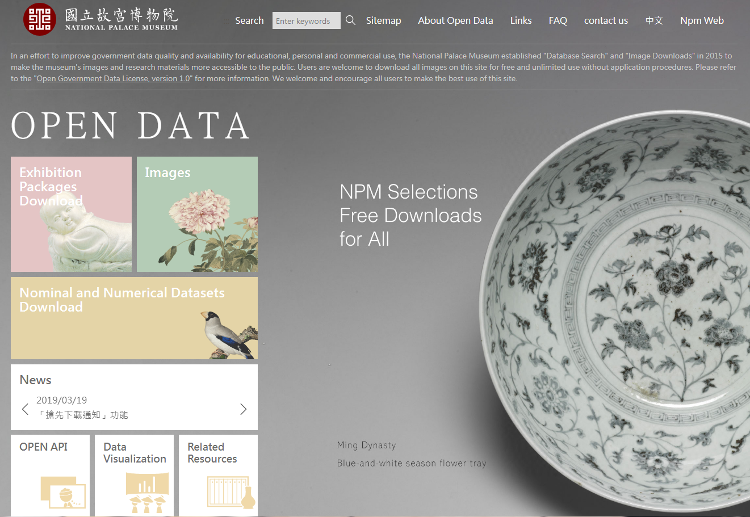
<span style="line-height:115%">NPM nằm dưới sự giám sát của <a href="https://en.wikipedia.org/wiki/Executive_Yuan" target="_blank">Executive Yuan</a> và, trước khi NPM tung ra chính sách truy cập mở của nó, Executive Yuan đã ban hành rồi Giấy phép Dữ liệu Chính phủ Mở khắp các hồ sơ của nó. Vì thế, để tuân thủ với ngữ cảnh pháp lý này, NPM chọn Giấy phép Dữ liệu Chính phủ Mở như là công cụ pháp lý cho <a href="https://theme.npm.edu.tw/opendata/index.aspx?lang=2" target="_blank">nền tảng Dữ liệu Mở</a> của nó.</span><br  />
<span style="line-height:115%">Yêu cầu duy nhất là NPM đặt vào các hình ảnh mở của nó sao cho sự thừa nhận ghi công đúng cho NPM được nêu khi các hình ảnh đó được sử dụng. Giấy phép Dữ liệu Chính phủ Mở đó là tương thích với giấy phép Creative Commons <a href="https://creativecommons.org/licenses/by/4.0/" target="_blank">CC BY 4.0 Quốc tế</a> (xem <a href="https://data.gov.tw/license#eng" target="_blank">Điều 4.2</a> của Giấy phép Dữ liệu Chính phủ Mở để có thêm chi tiết).</span><br  />
<span style="line-height:115%">Với tính tương thích của giấy phép này, và để đáp ứng các kỳ vọng của lập pháp của chúng tôi, NPM bây giờ đang cố gắng sửa đổi chế độ cấp phép mở để cho phép sử dụng trực tiếp các giấy phép Creative Commons. Chúng tôi cũng xem xét cách tức để phát hành các hình ảnh của chúng tôi với số lượng lớn hơn và chất lượng cao hơn, và tối ưu hóa các trải nghiệm tìm kiếm và duyệt chúng tôi hiện đang chào.</span></div>

<div style="text-align:center"><img alt="" height="365" src="https://giaoducmo.avnuc.vn/uploads/news/2020_04/12c.png" width="750" /></div>

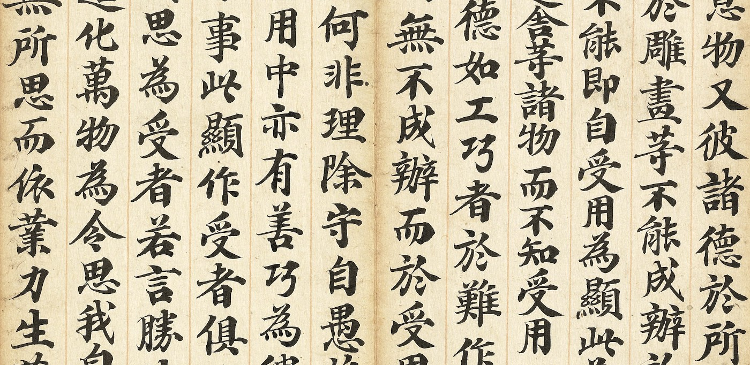
<div style="text-align: center;"><span style="line-height:115%"><a href="https://theme.npm.edu.tw/opendata/DigitImageSets.aspx?sNo=04015587&amp;lang=2" target="_blank">Shang Kang Min, </a><a href="https://theme.npm.edu.tw/opendata/DigitImageSets.aspx?sNo=04015587&amp;lang=2" target="_blank">Thư pháp của Kinh Phật giáo</a> (chi tiết), triều đại Song (960–1279). Viện bảo tàng Cung điện Quốc gia, Giấy phép Dữ liệu Chính phủ Mở</span></div>

<div style="text-align: justify;"><span style="line-height:115%"><b>Viện bảo tàng đã quảng bá chính sách dữ liệu mở của nó như thế nào?</b></span><br  />
<span style="line-height: 115%;">Chúng tôi đã tổ chức nhiều sự kiện để quảng bá chính sách đó. Ví dụ, chúng tôi tổ chức một sự kiện xuyên chéo chưa từng có, kết hợp sàn trình diễn thời gian, bộ DJ, điệu nhảy đường phố và hip-hop với các tài nguyên tới từ nền tảng dữ liệu mở của NPM:</span></div>
<span style="line-height: 115%;"><iframe allow="&#039;&#039;&#039;accelerometer; autoplay; encrypted-media; gyroscope; 
picture-in-picture&#039;&#039;&#039;" allowfullscreen="" frameborder="0" height="382" src="https://www.youtube.com/embed/v_nMYIU1gl0" width="668"></iframe></span>

<div style="text-align: center;"><span style="line-height: 115%;"><a href="https://www.youtube.com/channel/UCyWDvCaZ9SBrKhuOhInK5ag" target="_blank">Đêm </a><a href="https://www.youtube.com/channel/UCyWDvCaZ9SBrKhuOhInK5ag" target="_blank">H</a><a href="https://www.youtube.com/channel/UCyWDvCaZ9SBrKhuOhInK5ag" target="_blank">ip Hop ở </a><a href="https://www.youtube.com/channel/UCyWDvCaZ9SBrKhuOhInK5ag" target="_blank">Viện bảo tàng Cung điện Quốc gia</a>, AGI CHEN Studio, 2019</span></div>

<div style="text-align: justify;"><span style="line-height: 115%;">Ngoài điều này ra, chúng tôi đã tổ chức <a href="https://theme.npm.edu.tw/events/108npmaward/" target="_blank">các cuộc thi</a> mời những người tham gia sử dụng các hình ảnh mở để thiết kế các sản phẩm mới, và chúng tôi đã giúp những người thắng cuộc thương mại hóa các sáng tạo của họ. Chúng tôi cũng tổ chức các cuộc thi hackathons (vào năm 2017 và 2018) sử dụng các hình ảnh và API mở của chúng tôi.</span><br  />
<span style="line-height: 115%;"><b>Nhiều cơ sở vật lộn để cân bằng truy cập mở với các sức ép sinh doanh thu từ các bộ sưu tập số. Liệu điều đó có thích hợp với viện bảo tàng của bạn?</b></span><br  />
<span style="line-height:115%">Điều đó có vài sự thích hợp nhưng nó không phải là vấn đề lớn vì ngân sách của NPM tới từ trợ cấp của chính phủ trung ương, thay vì tự cấp vốn. Các nghị sỹ đặt ra các mục tiêu sinh doanh thư hàng năm cho NPM nhưng nếu chúng tôi không đạt được các mục tiêu đó, chỉ cần các <span style="font-weight:normal">báo cáo </span>giải thích được đệ trình lên, điều đó là không quá khó đối với các nhân viên.</span><br  />
<span style="line-height:115%">Để làm cho điều đó rõ ràng hơn, doanh thu của NPM chảy vào kho bạc quốc gia mỗi năm. Chúng tôi càng đóng góp nhiều cho kho bạc quốc gia, càng có nhiều khả năng chúng tôi sẽ nhận được ngân sách cao hơn. Nhưng các nguồn doanh thu của NPM biến động lớn, từ các vé vào cửa cho tới bán hàng các sản phẩm sáng tạo. Doanh thu từ các bộ sưu tập số của chúng tôi là khá thấp và điều này làm giảm tầm quan trọng của chủ đề này trong ngữ cảnh của việc tạo lập chính sách truy cập mở của chúng tôi.</span></div>

<div style="text-align:center"><img alt="" height="910" src="https://giaoducmo.avnuc.vn/uploads/news/2020_04/12d.png" width="750" /></div>

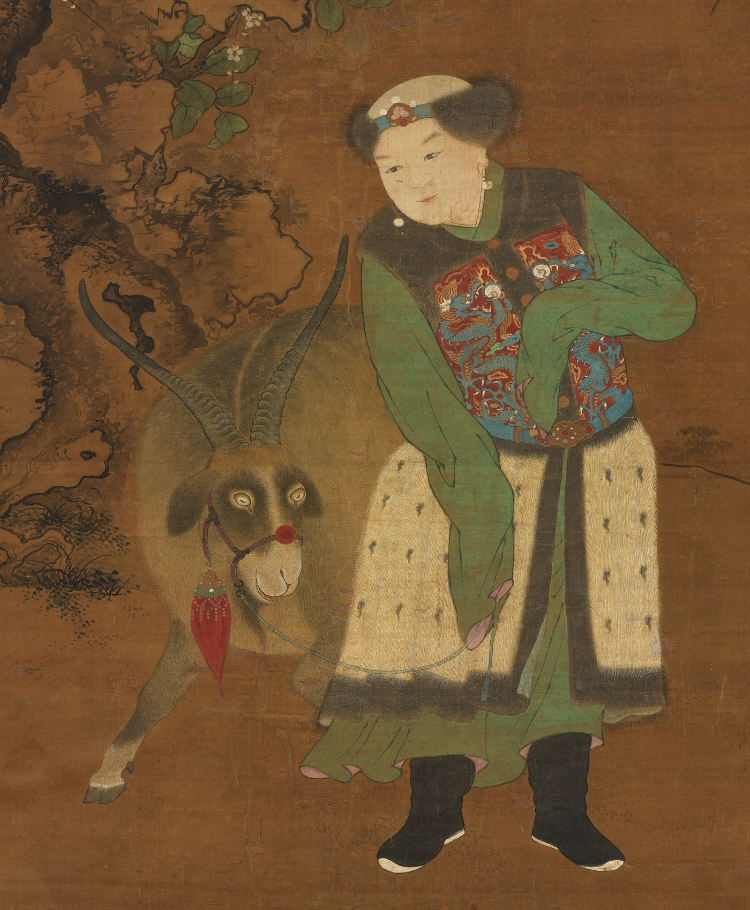
<div style="text-align: center;"><span style="line-height:115%"><a href="https://theme.npm.edu.tw/opendata/DigitImageSets.aspx?sNo=04020315&amp;lang=2" target="_blank">Guo Si, </a><a href="https://theme.npm.edu.tw/opendata/DigitImageSets.aspx?sNo=04020315&amp;lang=2" target="_blank">Chơi với con dê</a>, triều đại Song (960–1279). Viện bảo tàng Cung điện Quốc gia, giấy phép Dữ liệu Chính phủ Mở</span></div>

<div style="text-align: justify;"><span style="line-height:115%"><b>Chính sách truy cập mở của viện bảo tàng phục vụ cho sứ mệnh cốt lõi và công chúng của nó như thế nào?</b></span><br  />
<span style="line-height:115%">Vì các tài nguyên của NPM tới từ ngân sách quốc gia, do những người đóng thuế Đài Loan cấp vốn, chúng tôi tin tưởng là mọi người sẽ sử dụng chúng theo cách thức dễ dàng nhất và thân thiện nhất. Chúng tôi cũng mở rộng triết lý này ra các công dân toàn cầu: bất kỳ ai cũng có thể sử dụng các tài nguyên mở của NPM không mất tiền, bất kể quốc tịch và bản sắc của họ.</span><br  />
<span style="line-height:115%">Chúng tôi hy vọng điều này sẽ truyền cảm hứng cho tính sáng tạo của mọi người và, đúng lúc, mở rộng tầm ảnh hưởng của NPM trên thế giới. Vì thế ngoài yêu cầu thừa nhận ghi công, chúng tôi không đặt ra các hạn chế trong sử dụng các tài nguyên mở của chúng tôi. Bất kỳ và tất cả các dạng sử dụng lại, dù là thương mại hay phi thương mại, đều được khuyến khích.</span><br  />
<span style="line-height:115%"><b>Bạn có xuất bản dữ liệu mở trên các nền tảng khác?</b></span><br  />
<span style="line-height:115%">Một cách cá nhân, tôi đã biện hộ mạnh mẽ cho việc chia sẻ các hình ảnh mở của chúng tôi tới các nền tảng nổi tiếng như Wikimedia Commons, Flickr và Pinterest. Tôi đã viết một bài báo học thuật về điều này theo một thảo luận ở NPM, nên tôi hy vọng điều này sẽ sớm xảy ra.</span></div>

<div style="text-align:center"><img alt="" height="626" src="https://giaoducmo.avnuc.vn/uploads/news/2020_04/12e.png" width="750" /></div>

<div style="text-align: center;"><span style="line-height:115%"><a href="https://theme.npm.edu.tw/opendata/DigitImageSets.aspx?sNo=04015773&amp;lang=2" target="_blank">Biểu tượng của lòng trung thành và sự hiếu thảo</a>, triều đại Song (960–1279). Viện bảo tàng Cung điện Quốc gia, giấy phép Dữ liệu Chính phủ Mở</span></div>

<div style="text-align: justify;"><span style="line-height:115%"><b>Ai nhà các tác nhân có ảnh hưởng về truy cập mở ở Đài Loan?</b></span><br  />
<span style="line-height:115%">Vị thế và các đặc tính của NPM là độc nhất vô nhị ở Đài Loan nên chúng tôi có xu hướng nhìn ra nước ngoài để truyền cảm hứng và có các ví dụ thực hành tốt. Chúng tôi đã nghiên cứu các chiến lược mở của và cơ sở GLAM và tiếp cận của <a href="https://www.rijksmuseum.nl/en/data" target="_blank">Rijksmuseum</a> có lẽ là ưa thích của tôi. Rijksmuseum thực sự là chủ động tích cực trong việc chia sẻ câu chuyện của nó với thế giới, và nó làm tài liệu các chính sách của nó và thực hành truy cập mở thực sự tốt.</span><br  />
<span style="line-height:115%"><b>Điều gì bạn đang làm mà các độc giả của chúng tôi nên biết?</b></span><br  />
<span style="line-height:115%">Hiện hành dự án chính tôi đang làm là làm sạch bản quyền các xuất bản phẩm của chúng tôi. Đây là lần đầu tiên chúng tôi đã cố gắng kiểm tra kỹ lưỡng từng yếu tố của các bài báo trong các xuất bản phẩm của chúng tôi để đảm bảo không có các vấn đề về bản quyền. Đây là công việc tốn thời gian nhưng là nhiệm vụ sống còn sẽ xúc tác xa hơn cho phát hành các xuất bản phẩm đó. Phân tích và làm sạch bản quyền, tất nhiên, quan trọng cho hoạt động của các chính sách truy cập mở thành công.</span><br  />
<span style="line-height:115%"><b>Khám phá nền tảng dữ liệu mở của Viện bảo tàng Cung điện Quốc gia:</b></span></div>

<div style="text-align:center"><img alt="" height="517" src="https://giaoducmo.avnuc.vn/uploads/news/2020_04/12f.png" width="750" /></div>

<div style="text-align: center;"><span style="line-height:115%"><a href="https://theme.npm.edu.tw/opendata/" target="_blank">Nền </a><a href="https://theme.npm.edu.tw/opendata/" target="_blank">tảng dữ liệu mở của Viện bảo tàng Cung điện Quốc gia</a></span></div>

<div style="text-align: justify;"><span style="line-height:115%">Vui lòng trích dẫn bài báo này như sau:</span><br  />
<span style="line-height:115%">Wendy, Wu-Yun, Mao và Douglas McCarthy, ‘<a href="https://medium.com/open-glam/open-for-the-world-open-access-at-taiwans-national-palace-museum-870174c5ba31" target="_blank">Mở cho thế giới</a><a href="https://medium.com/open-glam/open-for-the-world-open-access-at-taiwans-national-palace-museum-870174c5ba31" target="_blank"> — truy cập mở ở </a><a href="https://medium.com/open-glam/open-for-the-world-open-access-at-taiwans-national-palace-museum-870174c5ba31" target="_blank">Viện bảo tàng Cung điện Quốc gia Đài Loan</a>’, 2020 (Medium)</span><br  />
<span style="line-height:115%"><strong><a href="http://creativecommons.org/licenses/by/4.0/" target="_blank"><span style="font-weight:normal">Một số quyền được giữ lại</span></a></strong><strong> </strong><strong><span style="font-weight:normal">CC BY.</span></strong></span></div>

<p align="justify"><span style="background: rgb(255, 242, 0);"><a href="https://theme.npm.edu.tw/opendata/DigitImageSets.aspx?sNo=04014879&amp;lang=2" target="_blank">Hibiscus With Wild Geese</a>, silk tapestry, Song dynasty (960–1279). National Palace Museum, Open Government Data Licence</span></p>

<p align="justify"><a name="f1fa"></a><strong><span style="background: rgb(255, 242, 0);">Taiwan’s <a href="https://www.npm.gov.tw/en/" target="_blank">National Palace Museum</a> has a permanent collection of nearly 700,000 ancient Chinese imperial artifacts and artworks, encompassing 8,000 years of Chinese art from the Neolithic age to today.</span></strong></p>

<p align="justify"><a name="ba6c"></a><strong><span style="background: rgb(255, 242, 0);">In 2015, the Museum adopted open data policies to make its collections images and research materials more accessible to the public. Assistant Research Fellow <a href="https://www.linkedin.com/in/wendy-wu-yun-mao-1b5a2a42/" target="_blank">Wendy, Wu-Yun, Mao</a> tells us how the policy was developed and what its impact has been.</span></strong></p>

<p align="justify"><a name="e715"></a><strong><span style="background: rgb(255, 242, 0);">Hi Wendy, what’s your background and what you do at the museum?</span></strong></p>

<p align="justify"><a name="5ec9"></a><span style="background: rgb(255, 242, 0);">I’m a permanent researcher at the National Palace Museum in Taiwan (NPM). I am a Bachelor in Law and I have an MBA in Intellectual Property Management and before joining NPM, I was an in-house legal and licensing salesperson in a well-known company based in Taiwan and China.</span></p>

<p align="justify"><a name="92d0"></a><span style="background: rgb(255, 242, 0);">I’m currently the deputy section chief in the Marketing &amp; Licensing Department of NPM. My work encompasses many different aspects of IP management and licensing, and I am the only person at the museum who specialises in this field. Working on NPM’s open access policy is one of my important professional duties.</span></p>

<p align="justify"><a name="a50b"></a><strong><span style="background: rgb(255, 242, 0);">Can you summarise the Museum’s open access policy for our readers?</span></strong></p>

<p align="justify"><a name="5e8a"></a><span style="background: rgb(255, 242, 0);">Rather than a policy, I would describe it as a “movement” or “revolution” at the museum. Liberalising access to our digital collections led to a paradigm shift in NPM’s wider value proposition and cultural stewardship (both the physical artifacts and derivative works) from protectionism to free culture.</span></p>

<p align="justify"><a name="dba9"></a><span style="background: rgb(255, 242, 0);">By adopting open access we want to build connections between the museum and the public, to achieve the ultimate goal of museum democracy. Our approach covers a variety of services and resources. It’s not just about offering free images to download. It’s also about making our museum’s services friendlier, for example by allowing photography in the galleries, offering free admission after 4:30 P.M., and so on.</span></p>

<p align="justify"><a name="f0b9"></a><span style="background: rgb(255, 242, 0);">Empowering our audiences to interpret and reuse our collections as they wish is a powerful incentive for people to participate, enjoy and co-create in the museum. We think that all of these measures are gateways to ‘open access’ that help people enjoy NPM in an easier and more welcoming way.</span></p>

<p align="justify"><span style="background: rgb(255, 242, 0);"><a href="https://theme.npm.edu.tw/opendata/DigitImageSets.aspx?sNo=04016519&amp;lang=2" target="_blank">Buddha with the White Elephant</a> (silk tapestry) , Qing dynasty (1636–1911). National Palace Museum, Open Government Data Licence</span></p>

<p align="justify"><a name="bbd1"></a><strong><span style="background: rgb(255, 242, 0);">What inspired the policy and how was it developed?</span></strong></p>

<p align="justify"><a name="266d"></a><span style="background: rgb(255, 242, 0);">Our former director Mr. Lin developed the concept of “publicising the NPM”. He argued that, for various historical and cultural reasons, for a long time NPM had little real connection with the citizens of Taiwan. Although NPM has an incredible collection of Chinese artifacts and has been acclaimed as one of the greatest museums in the world, its influence, degree of support and local recognition were lower than those of, say, the Louvre or the British Museum.</span></p>

<p align="justify"><a name="5414"></a><span style="background: rgb(255, 242, 0);">Mr. Lin believed that the main reason for this was that NPM was not open enough to the general public. So, upon his inauguration, he established “publicisation” (open access) as the main policy direction. Here are some of Mr. Lin’s thoughts on the “publicisation of NPM” (taken from the museum’s 2016 <a href="https://www.npm.gov.tw/zh-TW/Article.aspx?sNo=02000050" target="_blank">annual report</a>):</span></p>

<p align="justify"><strong><span style="background: rgb(255, 242, 0);">‘In addition to fostering public use of artifacts and facilities, museum publicisation includes the public’s right to interpret cultural artificacts. The public has the right to participate, create and enjoy the museum’s research, collection and exhibitions. Through new artifact research and interpretation as well as changes in curatorial concepts and approach of exhibition dialogues, the meaning of NPM’s ancient artifacts in a new age as well as a new emotional connection with a modern audience have been created.’</span></strong></p>

<p align="justify"><a name="c874"></a><strong><span style="background: rgb(255, 242, 0);">The Museum uses the Taiwanese <a href="https://data.gov.tw/license#eng" target="_blank">Open Government Data Licence</a> for its data. Why was this legal tool chosen (rather than a Creative Commons licence or waiver)?</span></strong></p>

<p align="justify"><a name="c6f7"></a><span style="background: rgb(255, 242, 0);">The National Palace Museum is under the supervision of the <a href="https://en.wikipedia.org/wiki/Executive_Yuan" target="_blank">Executive Yuan</a> and, before NPM launched its open access policy, the Executive had already enacted the Open Government Data Licence across its portfolio. Therefore, to comply with this regulatory context, NPM chose the Open Government Data Licence as the legal tool for its <a href="https://theme.npm.edu.tw/opendata/index.aspx?lang=2" target="_blank">Open Data platform</a>.</span></p>

<p align="justify"><a name="36f2"></a><span style="background: rgb(255, 242, 0);">The only requirement that NPM places on its open images is that correct attribution to NPM is given when images are used. The Open Government Data Licence is compatible with the Creative Commons <a href="https://creativecommons.org/licenses/by/4.0/" target="_blank">CC BY 4.0 International</a> licence (see <a href="https://data.gov.tw/license#eng" target="_blank">Article 4.2</a> of Open Government Data Licence for details).</span></p>

<p align="justify"><a name="4440"></a><span style="background: rgb(255, 242, 0);">With this licence compatibility in place, and to meet the expectations of our legislature, NPM is now trying to modify its open licensing regime to allow direct use of Creative Commons licences. We’re also looking at way to releasing our images in greater number and at higher quality, and to optimise the searching and browsing experiences we currently offer.</span></p>

<p align="justify"><span style="background: rgb(255, 242, 0);"><a href="https://theme.npm.edu.tw/opendata/DigitImageSets.aspx?sNo=04015587&amp;lang=2" target="_blank">Shang Kang Min, Calligraphy of the Buddhist Scriptures</a> (detail), Song dynasty (960–1279). National Palace Museum, Open Government Data Licence</span></p>

<p align="justify"><a name="eeea"></a><strong><span style="background: rgb(255, 242, 0);">How has the museum promoted its open data policy?</span></strong></p>

<p align="justify"><a name="0f94"></a><span style="background: rgb(255, 242, 0);">We have held many events to promote the policy. For example, we ran an unprecedented crossover event that combined a runway fashion show, DJ set, street dance and hip-hop with art resources coming from NPM’s open data platform:</span></p>

<p align="justify"><span style="background: rgb(255, 242, 0);"><a href="https://www.youtube.com/channel/UCyWDvCaZ9SBrKhuOhInK5ag" target="_blank">Hip Hop Night at National Palace Museum</a>’, AGI CHEN Studio, 2019</span></p>

<p align="justify"><a name="90fc"></a><span style="background: rgb(255, 242, 0);">In addition to this, we’ve run <a href="https://theme.npm.edu.tw/events/108npmaward/" target="_blank">competitions</a> inviting participants to use open images to design new products, and we helped the winners commercialise their creations. We also held hackathons (in 2017 and 2018) using our open images and API.</span></p>

<p align="justify"><a name="2d63"></a><strong><span style="background: rgb(255, 242, 0);">Many institutions struggle to balance open access with pressures to generate income from digital collections. Is that relevant to your museum?</span></strong></p>

<p align="justify"><a name="4b92"></a><span style="background: rgb(255, 242, 0);">It has some relevance but it’s not a big issue because NPM’s budget comes from a central government grant, rather than self-funding. Congressmen set annual revenue generation targets for NPM but if we fail to reach these goals, only explanatory reports need to be submitted, which is not so difficult for the employees.</span></p>

<p align="justify"><a name="a506"></a><span style="background: rgb(255, 242, 0);">To put it more clearly, NPM’s revenue flows into the national treasury every year. The more we contribute to the national treasury, the more likely it is that we will receive higher budget. But the sources of NPM’s income vary greatly, from entrance tickets to creative product sales. Revenue from our digital collections is relatively low and this reduces the importance of this topic in the context of our open access policymaking.</span></p>

<p align="justify"><span style="background: rgb(255, 242, 0);"><a href="https://theme.npm.edu.tw/opendata/DigitImageSets.aspx?sNo=04020315&amp;lang=2" target="_blank">Guo Si, Playing With a Goat</a>, Song Dynasty (960–1279). National Palace Museum, Open Government Data Licence</span></p>

<p align="justify"><a name="d4cc"></a><strong><span style="background: rgb(255, 242, 0);">How does the Museum’s open access policy serve its core mission and public? (e.g. scholarly publication, public programmes, Open Educational Resources)</span></strong></p>

<p align="justify"><a name="0935"></a><span style="background: rgb(255, 242, 0);">As NPM’s resources come from the national budget, funded by Taiwanese taxpayers, we believe that people are entitled to use them in the easiest and friendliest way. We also extend this philosophy to global citizens: everyone can use NPM’s open resources free of charge, regardless of their nationality and identity.</span></p>

<p align="justify"><a name="5733"></a><span style="background: rgb(255, 242, 0);">We hope this will inspire people’s creativity and, in time, enlarge NPM’s influence in the world. So apart from requesting attribution, we don’t set limitations on the usage of our open resources. Any and all types of reuse, whether commerical or non-commercial, are encouraged.</span></p>

<p align="justify"><a name="301a"></a><strong><span style="background: rgb(255, 242, 0);">Do you publish open data on other platforms?</span></strong></p>

<p align="justify"><a name="8632"></a><span style="background: rgb(255, 242, 0);">Personally, I have strongly advocated the sharing of our open images to well-known platforms such as Wikimedia Commons, Flickr and Pinterest. I have written an academic article on this which is under discussion at NPM, so I hope this will happen soon.</span></p>

<p align="justify"><span style="background: rgb(255, 242, 0);"><a href="https://theme.npm.edu.tw/opendata/DigitImageSets.aspx?sNo=04015773&amp;lang=2" target="_blank">Symbols of Loyalty and Filiality</a>, Song Dynasty (960–1279). National Palace Museum, Open Government Data Licence</span></p>

<p align="justify"><a name="19af"></a><strong><span style="background: rgb(255, 242, 0);">Who are the open access influencers in Taiwan?</span></strong></p>

<p align="justify"><a name="bbc1"></a><span style="background: rgb(255, 242, 0);">NPM’s position and characteristics are unique in Taiwan so we tend to look abroad for inspiration and examples of good practice. I’ve studied the open strategies of several GLAMs and the approach of the <a href="https://www.rijksmuseum.nl/en/data" target="_blank">Rijksmuseum</a> is probably my favourite. The Rijksmuseum is really proactive in sharing its story with the world, and it documents its policies and open access practice really well.</span></p>

<p align="justify"><a name="9be8"></a><strong><span style="background: rgb(255, 242, 0);">What are you working on now that our readers should know about?</span></strong></p>

<p align="justify"><a name="c1a9"></a><span style="background: rgb(255, 242, 0);">Currently the major project I’m working on is copyright clearance of our publications. This is the first time that we’ve tried to thoroughly check every element of the articles in our publications to ensure that there are no copyright issues. It’s a time-consuming but vital task that will enable further release of those publications. Copyright analysis and clearance are, of course, crucial to the successful operation of open access policies.</span></p>

<p align="justify"><a name="2304"></a><b><span style="background: rgb(255, 242, 0);">Explore the National Palace Museum’s open data platform:</span></b></p>

<p align="justify"><a href="https://theme.npm.edu.tw/opendata/" target="_blank"><span style="background: rgb(255, 242, 0);">National Palace Museum’s open data platform</span></a></p>

<p align="justify"><a name="621d"></a><span style="background: rgb(255, 242, 0);">Please cite this article as follows:</span></p>

<p align="justify"><a name="4f48"></a><span style="background: rgb(255, 242, 0);">Wendy, Wu-Yun, Mao and Douglas McCarthy, ‘<a href="https://medium.com/open-glam/open-for-the-world-open-access-at-taiwans-national-palace-museum-870174c5ba31" target="_blank">Open for the World — open access at Taiwan’s National Palace Museum</a>’, 2020 (Medium)</span></p>

<p align="justify"><span style="background: rgb(255, 242, 0);"><a href="http://creativecommons.org/licenses/by/4.0/" target="_blank">Some rights reserved</a> </span><span style="background: rgb(255, 242, 0);">CC BY.</span></p>

<p align="justify">Dịch: Lê Trung Nghĩa</p>

<p align="justify"><a href="mailto:letrungnghia.foss@gmail.com">letrungnghia.foss@gmail.com</a></p>
		</div>
	</div>
	<div id="footer" class="clearfix">
		<div id="url">
			<strong>URL của bản tin này: </strong><a href="https://letrungnghia.mangvn.org/savefile/Education/mo-cho-the-gioi-truy-cap-mo-o-vien-bao-tang-cung-dien-quoc-gia-dai-loan-6400.html" title="Mở cho Thế giới - truy cập mở ở viện bảo tàng cung điện quốc gia Đài Loan">https://letrungnghia.mangvn.org/savefile/Education/mo-cho-the-gioi-truy-cap-mo-o-vien-bao-tang-cung-dien-quoc-gia-dai-loan-6400.html</a>

		</div>
		<div class="clear"></div>
		<div class="copyright">
			&copy; Blog FOSS by Lê Trung Nghĩa
		</div>
		<div id="contact">
			<a href="mailto:webmaster@vinades.vn">webmaster@vinades.vn</a>
		</div>
	</div>
</div>
        <div id="timeoutsess" class="chromeframe">
            Bạn đã không sử dụng Site, <a onclick="timeoutsesscancel();" href="https://letrungnghia.mangvn.org/#">Bấm vào đây để duy trì trạng thái đăng nhập</a>. Thời gian chờ: <span id="secField"> 60 </span> giây
        </div>
        <div id="openidResult" class="nv-alert" style="display:none"></div>
        <div id="openidBt" data-result="" data-redirect=""></div>
<div id="run_cronjobs" style="visibility:hidden;display:none;"><img alt="cron" src="/index.php?second=cronjobs&amp;p=t2vslSg5" width="1" height="1" /></div>
<script src="https://letrungnghia.mangvn.org/assets/js/jquery/jquery.min.js"></script>
<script>var nv_base_siteurl="/",nv_lang_data="vi",nv_lang_interface="vi",nv_name_variable="nv",nv_fc_variable="op",nv_lang_variable="language",nv_module_name="news",nv_func_name="savefile",nv_is_user=0, nv_my_ofs=7,nv_my_abbr="+07",nv_cookie_prefix="nv4c_Cgoz2",nv_check_pass_mstime=1738000,nv_area_admin=0,nv_safemode=0,theme_responsive=0,nv_recaptcha_ver=2,nv_recaptcha_sitekey="6LcNwC8UAAAAAMm8ZTYNygweLUQtOU0IapbDRk69",nv_recaptcha_type="image",XSSsanitize=1;</script>
<script src="https://letrungnghia.mangvn.org/assets/js/language/vi.js"></script>
<script src="https://letrungnghia.mangvn.org/assets/js/DOMPurify/purify3.js"></script>
<script src="https://letrungnghia.mangvn.org/assets/js/global.js"></script>
<script src="https://letrungnghia.mangvn.org/assets/js/site.js"></script>
<script src="https://letrungnghia.mangvn.org/themes/default/js/news.js"></script>
<script src="https://letrungnghia.mangvn.org/themes/default/js/main.js"></script>
<script src="https://letrungnghia.mangvn.org/themes/default/js/custom.js"></script>
<script type="application/ld+json">
        {
            "@context": "https://schema.org",
            "@type": "Organization",
            "url": "https://letrungnghia.mangvn.org",
            "logo": "https://letrungnghia.mangvn.org/uploads/letrungnghia/le-trung-nghia.png"
        }
        </script>
<script src="https://letrungnghia.mangvn.org/themes/default/js/bootstrap.min.js"></script>
</body>
</html>