<!DOCTYPE html>
    <html lang="vi" xmlns="http://www.w3.org/1999/xhtml" prefix="og: http://ogp.me/ns#">
    <head>
<title>Phần cứng Y tế nguồn mở&#x3A; Bạn nên biết gì và bạn có thể làm gì</title>
<meta name="description" content="Phần cứng Y tế nguồn mở&#x3A; Bạn nên biết gì và bạn có thể làm gì - Savefile - Blogs -...">
<meta name="author" content="Blog FOSS by Lê Trung Nghĩa">
<meta name="copyright" content="Blog FOSS by Lê Trung Nghĩa [webmaster@vinades.vn]">
<meta name="generator" content="NukeViet v4.5">
<meta http-equiv="Content-Type" content="text/html; charset=utf-8">
<meta property="og:title" content="Phần cứng Y tế nguồn mở&#x3A; Bạn nên biết gì và bạn có thể làm gì">
<meta property="og:type" content="website">
<meta property="og:description" content="Savefile - Blogs - https&#x3A;&#x002F;&#x002F;letrungnghia.mangvn.org&#x002F;savefile&#x002F;Education&#x002F;phan-cung-y-te-nguon-mo-ban-nen-biet-gi-va-ban-co-the-lam-gi-6427.html">
<meta property="og:site_name" content="Blog FOSS by Lê Trung Nghĩa">
<meta property="og:url" content="https://letrungnghia.mangvn.org/savefile/Education/phan-cung-y-te-nguon-mo-ban-nen-biet-gi-va-ban-co-the-lam-gi-6427.html">
<link rel="shortcut icon" href="https://letrungnghia.mangvn.org/favicon.ico">
<link rel="canonical" href="https://letrungnghia.mangvn.org/savefile/Education/phan-cung-y-te-nguon-mo-ban-nen-biet-gi-va-ban-co-the-lam-gi-6427.html">
<link rel="alternate" href="https://letrungnghia.mangvn.org/rss/" title="Blogs" type="application/rss+xml">
<link rel="alternate" href="https://letrungnghia.mangvn.org/rss/Government/" title="Blogs - Government" type="application/rss+xml">
<link rel="alternate" href="https://letrungnghia.mangvn.org/rss/Policy/" title="Blogs - Policy" type="application/rss+xml">
<link rel="alternate" href="https://letrungnghia.mangvn.org/rss/Philosophy/" title="Blogs - Philosophy" type="application/rss+xml">
<link rel="alternate" href="https://letrungnghia.mangvn.org/rss/Security/" title="Blogs - Security" type="application/rss+xml">
<link rel="alternate" href="https://letrungnghia.mangvn.org/rss/Legal/" title="Blogs - Legal" type="application/rss+xml">
<link rel="alternate" href="https://letrungnghia.mangvn.org/rss/Education/" title="Blogs - Education" type="application/rss+xml">
<link rel="alternate" href="https://letrungnghia.mangvn.org/rss/Business/" title="Blogs - Business" type="application/rss+xml">
<link rel="alternate" href="https://letrungnghia.mangvn.org/rss/Community/" title="Blogs - Community" type="application/rss+xml">
<link rel="alternate" href="https://letrungnghia.mangvn.org/rss/Interoperability/" title="Blogs - Interoperability" type="application/rss+xml">
<link rel="alternate" href="https://letrungnghia.mangvn.org/rss/Standards/" title="Blogs - Standards" type="application/rss+xml">
<link rel="alternate" href="https://letrungnghia.mangvn.org/rss/Author/" title="Blogs - Author" type="application/rss+xml">
<link rel="alternate" href="https://letrungnghia.mangvn.org/rss/Opinions/" title="Blogs - Opinions" type="application/rss+xml">
<link rel="alternate" href="https://letrungnghia.mangvn.org/rss/CC/" title="Blogs - CC" type="application/rss+xml">
<link rel="alternate" href="https://letrungnghia.mangvn.org/rss/Cloud/" title="Blogs - Cloud" type="application/rss+xml">
<link rel="alternate" href="https://letrungnghia.mangvn.org/rss/Hardware/" title="Blogs - Hardware" type="application/rss+xml">
<link rel="alternate" href="https://letrungnghia.mangvn.org/rss/Software/" title="Blogs - Software" type="application/rss+xml">
<link rel="alternate" href="https://letrungnghia.mangvn.org/rss/Statistics/" title="Blogs - Statistics" type="application/rss+xml">
<link rel="alternate" href="https://letrungnghia.mangvn.org/rss/Trends/" title="Blogs - Trends" type="application/rss+xml">
<link rel="alternate" href="https://letrungnghia.mangvn.org/rss/China/" title="Blogs - China" type="application/rss+xml">
<link rel="alternate" href="https://letrungnghia.mangvn.org/rss/OSs/" title="Blogs - OSs" type="application/rss+xml">
<link rel="alternate" href="https://letrungnghia.mangvn.org/rss/Blogs/" title="Blogs - Blogs" type="application/rss+xml">
<link rel="alternate" href="https://letrungnghia.mangvn.org/rss/Outsourcing/" title="Blogs - Outsourcing" type="application/rss+xml">
<link rel="alternate" href="https://letrungnghia.mangvn.org/rss/elearning/" title="Blogs - Elearning" type="application/rss+xml">
<link rel="preload" as="style" href="https://letrungnghia.mangvn.org/assets/css/font-awesome.min.css" type="text/css">
<link rel="preload" as="style" href="https://letrungnghia.mangvn.org/themes/default/css/bootstrap.non-responsive.css" type="text/css">
<link rel="preload" as="style" href="https://letrungnghia.mangvn.org/themes/default/css/style.css" type="text/css">
<link rel="preload" as="style" href="https://letrungnghia.mangvn.org/themes/default/css/style.non-responsive.css" type="text/css">
<link rel="preload" as="style" href="https://letrungnghia.mangvn.org/themes/default/css/news.css" type="text/css">
<link rel="preload" as="style" href="https://letrungnghia.mangvn.org/themes/default/css/custom.css" type="text/css">
<link rel="preload" as="style" href="https://letrungnghia.mangvn.org/assets/css/default.vi.1106.css" type="text/css">
<link rel="preload" as="script" href="https://letrungnghia.mangvn.org/assets/js/jquery/jquery.min.js" type="text/javascript">
<link rel="preload" as="script" href="https://letrungnghia.mangvn.org/assets/js/language/vi.js" type="text/javascript">
<link rel="preload" as="script" href="https://letrungnghia.mangvn.org/assets/js/DOMPurify/purify3.js" type="text/javascript">
<link rel="preload" as="script" href="https://letrungnghia.mangvn.org/assets/js/global.js" type="text/javascript">
<link rel="preload" as="script" href="https://letrungnghia.mangvn.org/assets/js/site.js" type="text/javascript">
<link rel="preload" as="script" href="https://letrungnghia.mangvn.org/themes/default/js/news.js" type="text/javascript">
<link rel="preload" as="script" href="https://letrungnghia.mangvn.org/themes/default/js/main.js" type="text/javascript">
<link rel="preload" as="script" href="https://letrungnghia.mangvn.org/themes/default/js/custom.js" type="text/javascript">
<link rel="preload" as="script" href="https://letrungnghia.mangvn.org/themes/default/js/bootstrap.min.js" type="text/javascript">
<link rel="stylesheet" href="https://letrungnghia.mangvn.org/assets/css/font-awesome.min.css">
<link rel="stylesheet" href="https://letrungnghia.mangvn.org/themes/default/css/bootstrap.non-responsive.css">
<link rel="stylesheet" href="https://letrungnghia.mangvn.org/themes/default/css/style.css">
<link rel="stylesheet" href="https://letrungnghia.mangvn.org/themes/default/css/style.non-responsive.css">
<link rel="StyleSheet" href="https://letrungnghia.mangvn.org/themes/default/css/news.css">
<link rel="stylesheet" href="https://letrungnghia.mangvn.org/themes/default/css/custom.css">
<link rel="stylesheet" href="https://letrungnghia.mangvn.org/assets/css/default.vi.1106.css">
<style type="text/css">
	body{background: #fff;}
</style>
<script>(function(i,s,o,g,r,a,m){i['GoogleAnalyticsObject']=r;i[r]=i[r]||function(){
(i[r].q=i[r].q||[]).push(arguments)},i[r].l=1*new Date();a=s.createElement(o),
m=s.getElementsByTagName(o)[0];a.async=1;a.src=g;m.parentNode.insertBefore(a,m)
})(window,document,'script','https://www.google-analytics.com/analytics.js','ga');
ga('create', 'UA-70254229-3', '');
ga('send', 'pageview');
</script>
</head>
    <body>
<div id="print">
	<div id="hd_print">
		<h2 class="pull-left">Blog FOSS by Lê Trung Nghĩa</h2>
		<p class="pull-right"><a title="Blog FOSS by Lê Trung Nghĩa" href="https://letrungnghia.mangvn.org/">https://letrungnghia.mangvn.org</a></p>
	</div>
	<div class="clear"></div>
	<hr />
	<div id="content">
		<h1>Phần cứng Y tế nguồn mở&#x3A; Bạn nên biết gì và bạn có thể làm gì</h1>
		<ul class="list-inline">
			<li>Thứ năm - 28/05/2020 05:41</li>
			<li class="hidden-print txtrequired"><em class="fa fa-print">&nbsp;</em><a title="In ra" href="javascript:;" onclick="window.print()">In ra</a></li>
			<li class="hidden-print txtrequired"><em class="fa fa-power-off">&nbsp;</em><a title="Đóng cửa sổ này" href="javascript:;" onclick="window.close()">Đóng cửa sổ này</a></li>
		</ul>
		<div class="clear"></div>
		<div id="hometext">
		</div>
				<div class="imghome">
			<img alt="Phần cứng Y tế nguồn mở&#x3A; Bạn nên biết gì và bạn có thể làm gì" src="https://1.bp.blogspot.com/-yZRYHGCg-QI/Xs7mkatNurI/AAAAAAAAR3o/jk6teYc4JUwV603FKCWpmopBS07Nf3HRQCLcBGAsYHQ/s640/H1.png" width="460" class="img-thumbnail" />
		</div>
		<div class="clear"></div>
		<div id="bodytext" class="clearfix">
			<div align="justify"><b><span style="background: rgb(255, 242, 0);">Open-Source Medical Hardware: What You Should Know and What You Can Do</span></b></div>

<div align="justify">Victoria Heath, April 15, 2020</div>

<div align="justify">Theo: <a href="https://creativecommons.org/2020/04/15/open-source-medical-hardware-what-you-should-know-and-what-you-can-do/">https://creativecommons.org/2020/04/15/open-source-medical-hardware-what-you-should-know-and-what-you-can-do/</a></div>

<div align="justify">Bài được đưa lên Internet ngày: 15/04/2020</div>

<div align="justify">Bạn đã nghe các câu chuyện: những tấm chắn che mặt của các kỹ sư in 3D trong tầng hầm của họ; những người có sở thích tự mình làm may các khẩu trang; và các nhà thiết kế thời trang tự làm các áo choàng bảo vệ cá nhân.</div>

<div align="justify">Trên toàn cầu, mọi người đang cố gắng giúp lấp đi khoảng trống cung ứng y tế do dịch <span style="font-weight: normal;"><a href="https://www.who.int/emergencies/diseases/novel-coronavirus-2019/events-as-they-happen" target="_blank">COVID-19</a> gây ra qua phần cứng y tế nguồn mở. Đây là sự thể hiện ấm áp về sự khéo léo, đổi mới sáng tạo và cộng tác toàn cầu. Trong bài đăng này, </span><span style="font-weight: normal;">chúng tôi </span>trả lời các câu hỏi của bạn về phần cứng y tế nguồn mở và cung cấp vài sự thấu hiểu về những gì bạn có thể làm để giúp đỡ.</div>

<div align="justify"><span style="color: rgb(206, 24, 30);"><b>Phần cứng nguồn mở</b></span><span style="color: rgb(206, 24, 30);">: các thiết kế của các đối tượng vật lý </span><span style="color: rgb(206, 24, 30);"><span style="font-size: small;"><span style="font-weight: normal;">được cấp phép mở </span></span></span><span style="color: rgb(206, 24, 30);">sao cho chúng có thể được sửa đổi, tạo lập, và phân phối không có các hạn chế.</span></div>

<div align="justify"><b>Vì sao phần cứng y tế nguồn mở lại quan trọng?</b></div>

<div align="justify"><span style="font-weight: normal;">Là dễ để quên, với hàng loạt các hoạt động gia tăng, phần cứng y tế nguồn mở bây giờ không là mới nữa. Trên thực tế, nó từng là công cụ cung cấp các thiết bị y tế và trang bị cho các nhân viên và các </span><span style="font-weight: normal;">cơ sở </span><span style="font-weight: normal;">y tế thiếu thốn </span><b><span style="font-size: small;"><span style="font-weight: normal;">tài nguyên </span></span></b><b><span style="font-size: small;"><span style="font-weight: normal;">nhiều năm - nhu cầu </span></span></b><b><span style="font-size: small;"><span style="font-weight: normal;">có trước cả đại dịch COVID-19. Ví dụ, theo sau dịch H1N1, các giáo sư y học ở </span></span></b><b><span style="font-size: small;"><span style="font-weight: normal;">Đại học </span></span></b>Swansea đã xuất bản các chỉ dẫn nguồn mở cho <span style="font-weight: normal;"><a href="https://onlinelibrary.wiley.com/doi/full/10.1111/j.1365-2044.2009.06207.x" target="_blank">quạt cấp cứu chi phí thấp</a>. </span></div>

<div align="justify"><span style="font-weight: normal;">Trong một báo cáo </span>năm 2010 với tiêu đề “<a href="https://apps.who.int/iris/bitstream/handle/10665/44407/9789241564045_eng.pdf?sequence=1" target="_blank">Quản lý sự không phù hợp</a>”, Tổ chức Y tế Thế giới - WHO (<span style="font-weight: normal;">World Health Organization) đã nêu, “Nghiên cứu đang tạo ra sự tiến bộ nhanh trong phát triển các </span><span style="font-weight: normal;">công nghệ y </span><span style="font-weight: normal;">tế phức tạp… Dù bất chấp sự tiến bộ này, đa số dân cư của thế giới vẫn có ít hoặc không có sự </span><span style="font-weight: normal;">truy cập </span>tới nhiều trong số các đổi mới sáng tạo đó<span style="font-weight: normal;">”. Đặc biệt, WHO đã chi tiết hóa “sự không phù hợp” đáng kể về tính </span><span style="font-weight: normal;">sẵn sàng </span>của các thiết bị y tế thích hợp, hiệu quả cho các nhu cầu y tế công cộng được bản địa hóa, nhấn mạnh rằng <span style="color: rgb(206, 24, 30);">“70%-90% tất cả các thiết bị y tế được tài trợ cho thế giới đang phát triển chưa bao giờ hoạt động như dự kiến”</span>. <span style="color: rgb(206, 24, 30);">Có 4 thành phần quan trọng để sửa sai sự “không phù hợp” này là tính sẵn sàng</span><span style="color: rgb(206, 24, 30);">, </span><span style="color: rgb(206, 24, 30);">khả năng </span><span style="color: rgb(206, 24, 30);"><span style="font-weight: normal;">truy cập</span></span><span style="color: rgb(206, 24, 30);">, </span><span style="color: rgb(206, 24, 30);">tính thích hợp, và tính kham được - đây là nơi mà phần cứng y tế nguồn mở đi tới, như TS</span><span style="color: rgb(206, 24, 30);"><span style="font-weight: normal;">.</span></span><span style="font-weight: normal;"> Gerrit Niezen et. al. <a href="https://www.ncbi.nlm.nih.gov/pmc/articles/PMC4853539/" target="_blank">đã giải thích</a></span> trong một bài báo nghiên cứu trong năm<span style="font-weight: normal;"> 2016:</span></div>

<div align="justify" style="line-height: 100%; margin-bottom: 0cm;">&nbsp;</div>

<div align="center">
<div class="separator" style="clear:both; text-align:center"><a href="https://1.bp.blogspot.com/-yZRYHGCg-QI/Xs7mkatNurI/AAAAAAAAR3o/jk6teYc4JUwV603FKCWpmopBS07Nf3HRQCLcBGAsYHQ/s1600/H1.png" imageanchor="1" style="margin-left: 1em; margin-right: 1em;"><img alt="" border="0" data-original-height="200" data-original-width="300" height="425" src="https://1.bp.blogspot.com/-yZRYHGCg-QI/Xs7mkatNurI/AAAAAAAAR3o/jk6teYc4JUwV603FKCWpmopBS07Nf3HRQCLcBGAsYHQ/s640/H1.png" width="640" /></a></div>
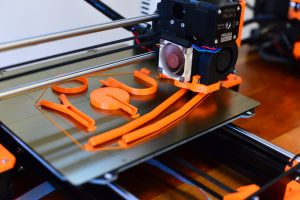
Máy in 3D xây dựng ống nghe chuẩn bệnh bằng việc sử dụng thiết kế nguồn mở của Dự án Glia. Nguồn: Dự án Glia (CC BY-SA)</div>

<div align="justify"><span style="color: rgb(206, 24, 30);">“<i>Làm cho thiết kế phần cứng </i><i>sẵn sàng </i><i>theo một </i><i>giấy phép </i><i>nguồn mở cho phép bất kỳ ai cải tiến và đóng góp cho thiết kế của thiết bị, dẫn tới sự </i><i>đổi mới sáng tạo </i><i>rất nhanh so với các phương pháp </i><i>truyền thống</i><i>. Nó cũng xúc tác cho thiết kế sẽ được sửa đổi cho bất kỳ sử dụng đặc thù nào, và làm cho các thiết bị dễ dàng sửa chữa… Đây là tiềm năng lớn để làm cho các thiết bị y tế </i><i><span style="font-weight: normal;">truy cập được </span></i><i>nhiều hơn ở thế giới đang phát triển, nơi các thiết bị cũng có thể được thiết kế như là nguồn mở và được xây dựng cho các trường hợp điển hình đặc thù, thay vì phải phụ thuộc vào trang thiết bị tài trợ”</i>. </span></div>

<div align="justify">Một ví dụ rõ ràng về thiết bị y tế “không phù hợp” là chi phí của ống nghe chuẩn bệnh so với sự cần thiết của nó. Dù các ống nghe chuẩn bệnh là một trong những công cụ quan trọng nhất cho các nhân viên y tế, trên thị trường một ống tin cậy có giá thành khoảng 90.00 USD cho tới 200 USD và hầu như không thể tới ở các cơ sở ít <b><span style="font-size: small;"><span style="font-weight: normal;">tài nguyên</span></span></b>. <span style="font-weight: normal;">Sau khi để ý thấy </span><span style="font-weight: normal;">vấn đề </span>này khi làm việc ở <span style="font-weight: normal;">Gaza, <a href="https://creativecommons.org/2020/04/02/bassel-khartabil-fellowship-awarded-to-tarek-loubani-using-open-access-to-combat-covid-19/" target="_blank">TS. Tarek Loubani</a>, một bác sĩ phòng cấp cứu ở Canada và là người nhận Học bổng Bassel Khartabil năm 2020, đã tạo ra một thiết kế nguồn mở cho ống này vào năm 2018 có thể in 3D được với giá khoảng 3.00 USD. Thông qua <a href="https://glia.org/" target="_blank">dự án Glia</a> từ thiện của ông, TS. Loubani bây giờ tạo ra và phát hành các thiết kế nguồn mở cho các ống nghe chuẩn bệnh, các thiết bị ép máu đông và ống khám tai để chúng có thể được bất kỳ ai </span><span style="font-weight: normal;">sản xuất </span>rẻ với máy in 3D. Dự án từ thiện đó không chỉ tạo ra các thiết kế đó, họ còn huấn luyện mọi người trong các vùng thiếu <b><span style="font-size: small;"><span style="font-weight: normal;">tài nguyên </span></span></b>và có xung đột để sử dụng các máy in 3D và triển khai các thiết bị y tế đó trên hiện trường. “Dự án Glia là dự án đầu tiên và trước nhất về sự độc lập”, TS. Loubani đã giải thích trong một <span style="font-weight: normal;"><a href="https://logicmag.io/bodies/tarek-loubani-on-3d-printing-in-gaza/" target="_blank">cuộc phỏng vấn</a> vào năm 2009. </span></div>

<div align="justify"><span style="font-weight: normal;">Rất gần đây, đáp lại dịch này, tổ chức đã xoay qua việc chế tạo các mặt nạ cho các nhân viên y tế Canada. “Đó từng là lời hứa của tôi đối với các đồng nghiệp của tôi”, TS. Loubani gần đây <a href="https://www.cbc.ca/radio/asithappens/as-it-happens-thursday-edition-1.5502954/canadian-doctor-who-works-in-gaza-makes-3d-printed-face-shields-for-covid-19-1.5502964" target="_blank">đã nói</a> với </span><i><span style="font-weight: normal;">CBC</span></i><span style="font-weight: normal;">, “Và điều đó sẽ sớm là lời hứa của tôi đối với tất cả các nhân viên y tế ở Canada”. </span></div>

<div align="justify" style="line-height: 100%; margin-bottom: 0cm;">
<div class="separator" style="clear:both; text-align:center"><a href="https://1.bp.blogspot.com/-r-O9YDA58JM/Xs7mzHXIS6I/AAAAAAAAR3s/fW4VBvGUFvsEicKjaOzFLYUzRla35dwBgCLcBGAsYHQ/s1600/H2.png" imageanchor="1" style="margin-left: 1em; margin-right: 1em;"><img alt="" border="0" data-original-height="50" data-original-width="1024" height="30" src="https://1.bp.blogspot.com/-r-O9YDA58JM/Xs7mzHXIS6I/AAAAAAAAR3s/fW4VBvGUFvsEicKjaOzFLYUzRla35dwBgCLcBGAsYHQ/s640/H2.png" width="640" /></a></div>
</div>

<div style="text-align: justify;"><b>Tạo ra phần cứng y tế nguồn mở trong đại dịch COVID-19</b></div>

<div align="justify">TS. Loubani không đơn độc trong việc sử dụng phần cứng nguồn mở để làm giảm nhẹ sự thiếu thốn trang thiết bị và cung ứng y tế do COVID-19. Nhóm Thiết kế Hữu dụng (<a href="https://www.vox.com/2020/3/25/21191562/slack-helpful-engineering-crowdsourcing" target="_blank"><span style="font-weight: normal;">Helpful Engineering Group</span></a>) trên Slack được lấp đầy với hàng ngàn kỹ sư với các ý tưởng nguồn đám đông cho các thiết bị và công cụ y tế, và nhóm trên Facebook các Nhà cung ứng Y tế COVID-19 Nguồn Mở - OSCMS (<a href="https://www.facebook.com/groups/opensourcecovid19medicalsupplies/" target="_blank"><span style="font-weight: normal;">Open Source COVID-19 Medical Supplies</span></a>) có hơn 50.000 thành viên đang làm điều y hệt. Bên cạnh những nỗ lực có phần hơi đặc biệt và được tổ chức lỏng lẻo là những sáng kiến từ các cơ sở và các phòng thí nghiệm nghiên cứu, như dự án Quạt Cấp cứu của MIT - E-Vent (<span style="font-weight: normal;"><a href="https://e-vent.mit.edu/" target="_blank">MIT Emergency Ventilator</a>) và Sáng kiến Chỉ Một Phòng thí nghiệm Khổng lồ cho OpenCovid19 (<a href="https://app.jogl.io/program/opencovid19" target="_blank">Just One Giant Lab OpenCovid19 Initiative</a>).</span></div>

<div align="justify"><b>Quy trình chế tạo là gì?</b></div>

<div align="justify">Quy trình xác định thiết kế và chế tạo phần cứng nguồn mở một sản phẩm cuối cùng là khác và phụ thuộc vào nhiều yếu tố, như sự phức tạp của thiết kế, phân bổ tài nguyên, các yêu cầu về an toàn, các nhu cầu phân phối, .v.v. Trong một số trường hợp, một khi thiets kế nguồn mở được tạo ra trong nội bộ, hoặc ở đâu đó được xác định, thì quy trình chế tạo có thể là khá nhanh chóng. “Điều quan trọng nhất là kiểm thử các thiết đặt, tối ưu hóa, tùy biến thích nghi thiết kế đó cho các <b><span style="font-size: small;"><span style="font-weight: normal;">tài nguyên địa </span></span></b><b><span style="font-size: small;"><span style="font-weight: normal;">phương </span></span></b><b><span style="font-size: small;"><span style="font-weight: normal;">của bạn</span></span></b>, và kiểm thử với những người chuyên nghiệp ở các bệnh viện. Nếu nó làm việc, thì bạn xử lý”, <a href="https://www.eselx.ipl.pt/eselx/estrutura/organizacao-cientifico-pedagogica/docentes/andre-rocha" target="_blank">André Rocha</a>, trợ lý giáo sư Escola Superior de Educação de Lisboa, đồng điều phối <a href="https://www.fablabs.io/labs/fablabbenfica" target="_blank">FabLab Benfica</a>, và là một thành viên tích cực của CC Portugal, nói.</div>

<div align="justify">“<b>Điều quan trọng nhất là kiểm thử các thiết đặt, tối ưu hóa, </b><b>tùy biến thích nghi </b><b>thiết kế đó cho các </b><b><span style="font-size: small;"><b>tài nguyên địa </b></span></b><b><span style="font-size: small;"><b>phương </b></span></b><b><span style="font-size: small;"><b>của bạn</b></span></b><b>, và kiểm thử với những người chuyên nghiệp ở các bệnh viện.”</b></div>

<div align="justify">Ví dụ, tấm che mặt - một thành phần quan trọng của thiết bị bảo vệ cá nhân - PPE (<a href="https://en.wikipedia.org/wiki/Personal_protective_equipment" target="_blank">Personal Protection Equipment</a>) - rất là “chế tạo được”, ngụ ý là dễ để thiết kế và chế tạo với máy in 3D, mất khoảng 20 phút cho tới 1 giờ đồng hồ. Vì sự thiếu hụt toàn cầu các tấm che mặt, có nhiều người sử dụng các thiết kế nguồn mở để chế tạo và phân phối chúng cho các nhân viên y tế. Điều này bao gồm cho cả Darrell Currington, người quản lý <a href="https://www.ocadu.ca/services/studios/rapid-prototyping-centre">Trung tâm tạo Mẫu Nhanh ở Đại học OCAD</a> ở Toronto, Canada. “Chúng tôi hiện đang làm việc để sản xuất các tấm che được in 3D được sử dụng để làm các tấm che mặt cho các bệnh viện”, ông đã giải thích qua thư điện tử, “Với trường đại học đóng cửa, <span style="font-weight: normal;">chúng tôi đã </span><span style="font-weight: normal;">không có khả năng quản lý </span><span style="font-weight: normal;">cơ sở </span>như <span style="font-weight: normal;">chúng tôi </span>thường có thể. Vì thế tôi đã quyết định điều tốt nhất <span style="font-weight: normal;">chúng tôi </span>có thể làm là nắm lấy trang thiết bị nào <span style="font-weight: normal;">chúng tôi </span>có thể, và phân phối nó giữa các nhân viên của <span style="font-weight: normal;">chúng tôi, </span><span style="font-weight: normal;">và khoa có thể quen thuộc nhất với </span><span style="font-weight: normal;">công nghệ đó</span>”.<br  />
<br  />
Xem trên Tweeter:&nbsp;<a href="https://twitter.com/OCAD/status/1246095551151603712">https://twitter.com/OCAD/status/1246095551151603712</a><br  />
<br  />
<span style="line-height:115%"><span style="font-weight:normal">Dù </span><span style="font-weight:normal">việc in 3D là cách thức nhanh và chi phí thấp để tạo ra các thành phần PPE như các tấm che mặt, có những trường hợp ở đó là tốt hơn để sử dụng các công nghệ </span>khác như cắt bằng lazer để chế tạo các thiết bị tin cậy và hiệu quả hơn - điều này đặc biệt đúng cho các thiết bị phức tạp hơn như mũ ép tích cực - PPH (<a href="https://www.uchicagomedicine.org/forefront/patient-care-articles/helmet-based-ventilation-is-superior-to-face-mask-for-patients-with-respiratory-distress" target="_blank"><span style="font-weight:normal">Positive Pressure Helmet</span></a>). PPH cung cấp luồng không khi được lọc và chính xác cho người đeo. “Hãy tưởng tượng một bong bóng bơm hơi trên đầu bạn”, André giải thích. Chúng đã <span style="font-weight:normal"><a href="https://www.businessinsider.com/coronavirus-italy-bergamo-icu-patients-bubble-helmets-explainer-2020-3" target="_blank">được sử dụng</a> ở các bệnh viện nơi các trường hợp COVID-19 tràn ngập hệ thống y tế, như ở Ý. Các PPH có thể nới lỏng sức ép lên các quạt và ngăn người ốm khỏi ô nhiễm không khí trong các bệnh viện chật cứng người. Quy trình thiết kế và chế tạo PPH là phức tạp hơn so với tấm che mặt, đòi hỏi sự cộng tác nhiều hơn với các </span><span style="font-weight:normal">công ty </span><span style="font-weight:normal">công nghiệp và các chuyên gia y tế, nhiều nguyên liệu hơn, và kiểm thử nhiều hơn để đảm bảo phần cứng đó là an toàn và tin cậy. Vì thế nhịp độ sản xuất và phân phối là khá chậm. </span></span><br  />
<span style="line-height:115%"><i><span style="font-weight:normal">André hiện đang theo dõi dự án PPH được <a href="https://fabfoundation.org/" target="_blank">Quỹ Fab</a> khởi xướng. Tài liệu dự án mở này có thể theo dõi <a href="https://gitlab.fabcloud.org/pub/project/coronavirus/tracking" target="_blank">ở đây</a> và kho nằm <a href="https://gitlab.cba.mit.edu/pub/coronavirus/pph-ppe" target="_blank">ở đây</a>.</span></i></span><br  />
<span style="font-style:normal"><span style="line-height:115%"><b>Các yêu cầu được nhận và được phân phối như thế nào?</b></span></span><br  />
<span style="line-height:115%"><span style="font-style:normal"><span style="font-weight:normal">Một lần nữa, sự biến động này phụ thuộc nhiều vào ngữ cảnh đặc thù. Trong một vài trường hợp, các yêu cầu đi theo kênh chính thức qua các quan chức </span></span><span style="font-style:normal"><span style="font-weight:normal">chính phủ </span></span>và/hoặc các nhà quản lý bệnh viện và được các tổ chức thành danh phân phối. Trong các trường hợp khác, các yêu cầu đó được các nhân viên y tế thực hiện không chính thức và được phân phối truyền tay qua các nhóm tình nguyện nhỏ hoặc các cá nhân, như những người <span style="font-weight:normal"><a href="https://www.coronavirusmakers.org/" target="_blank">Coronavirus Makers</a> ở Madrid, Tây Ban Nha</span>. Nhóm của André ở Lisbon, Bồ Đào Nha nhận các yêu cầu cung ứng PPE trực tiếp từ các nhân viên y tế địa phương. “Tất cả sự trợ giúp và yêu cầu đó là không chính quy”, ông giải thích, “Chúng tôi &#91;những người tình nguyện&#93; gặp nhau từ xa hầu như mỗi ngày để chuẩn bị cho những cứu tế ngày hôm sau cho các bệnh viện, các đồn cảnh sát, và các diễn biến tiếp sau”.<br  />
<br  />
Xem trên Tweeter: </span><a href="https://twitter.com/CoronavirusMak3/status/1248596979174735873">https://twitter.com/CoronavirusMak3/status/1248596979174735873</a><br  />
<br  />
<span style="line-height:115%"><span style="font-weight:normal">Không may, những nỗ lực của các nhóm tình nguyện và các cá nhân chịu cảnh năng lực và </span><strong><span style="font-weight:normal">tài nguyên </span></strong>hạn chế - vì thế, họ không có khả năng mở rộng phạm vi các nỗ lực của họ. André và nhóm của ông đang hy vọng vượt qua được các thách thức đó bằng “việc phát triển các triện cắt cho các nhà in có thể phân phối vài ngàn &#91;tấm che mặt&#93; trong một vài giờ”. Tuy nhiên, các thách thức có tính địa phương, như sự khan hiếm các nguyên liệu cần thiết để chế tạo các đồ cung ứng, là khó khăn hơn để giải quyết. “Nỗ lực ở đây là tạo ra các phiên bản cho các nguyên liệu độ dày, và các quy trình khác nhau, dựa vào các <strong><span style="font-weight:normal">tài nguyên </span></strong>sẵn có”, ông giải thích.</span><br  />
<span style="line-height:115%"><b>Các thiết bị đó có an toàn không?</b></span><br  />
<span style="line-height:115%">Bức tranh phần cứng nguồn mở cảm nhận một chút như là “miền tây hoang dã” vì sự khẩn cấp và tuyệt vọng của tình hình hiện nay. Tuy nhiên, việc đảm bảo rằng phần cứng nguồn mở là an toàn và tin cậy là mệnh lệnh. Các thiết bị được Dự án Glia phát triển và hiện trường sản xuất của chúng, ví dụ, được Y tế Canada phê chuẩn. <span style="font-weight:normal">Tuy nhiên, quy trình phê chuẩn đó mất thời gian và </span><strong><span style="font-weight:normal">tài nguyên </span></strong>- không điều gì trong số đó là sẵn sàng rồi trong khủng hoảng như dịch COVID-19.</span><br  />
<span style="line-height:115%">Ở nhiều quốc gia, thông tin và các quy định về an toàn xung quanh các thiết bị y tế là sẵn sàng công khai và nên được tuân thủ.</span><br  />
<span style="line-height:115%">Vì thế, là quan trọng rằng các nhà chế tạo (thậm chí những người thích tự làm bằng việc may các mặt nạ) làm việc siêng năng để đảm bảo các sản phẩm của họ là an toàn. Nhưng làm thế nào? “Tôi nghĩ mức cơ bản nhất để kiểm thử các giải pháp với những người chuyên nghiệp về y tế của địa phương”, André nhấn mạnh, “Một <span style="font-weight:normal">vấn đề </span>khác phải cực kỳ thận trọng trong chế tạo. Mọi điều nên được những người chuyên nghiệp thẩm định trước khi sử dụng … Trong các dự án thể hiện sự phức tạp cao hơn, tôi tin tưởng rằng các nhà chức trách &#91;y tế công cộng&#93; nên tham gia và liên hệ”. Nhóm của Darrell, ví dụ, đã kiểm tra <span style="font-weight:normal"><a href="https://www.tehn.ca/about-us/newsroom/ppe-drive-medical-leaders-launch-campaign-support-covid-19-response" target="_blank">Bệnh viện Michael Garron</a> ở Toronto đối với thiết kế các tấm che mặt được kiểm thử và được in 3D trước khi bắt đầu các nỗ lực </span><span style="font-weight:normal">của họ</span>. “Bệnh viện đã làm việc với nhà thiết kế tên là Shawn Lim, họ đã kiểm thử thiết kế này, và đã thấy có thể vệ sinh tấm che và có thể là an toàn để sử dụng trong bệnh viện của họ”, Darrell giải thích, “Họ sau đó đã đăng thiết kế đó lên <span style="font-weight:normal"><a href="http://theppedrive.com/" target="_blank">website của họ</a> và đã hỏi từng người với một máy in 3D để đóng góp .v.v. Như trong buổi tối nay &#91;09/04&#93; </span><span style="font-weight:normal">chúng tôi </span>chỉ có được dưới 1.000 đơn vị sẵn sàng để đưa ra tại bệnh viện hôm thứ ba”.</span><br  />
<span style="line-height:115%">Ở nhiều quốc gia, thông tin và các quy định về an toàn xung quanh các thiết bị y tế là sẵn sàng công khai và nên được tuân thủ. Ví dụ, Cơ quan Thuốc Liên bang Mỹ (FDA) liệt kê các tiêu chuẩn pháp lý cho một loạt các thiết bị trên website của họ, và để đối phó COVID-19, họ đã <a href="https://www.fda.gov/medical-devices/emergency-situations-medical-devices/emergency-use-authorizations#coronavirus2019" target="_blank">ogiám tuyển thông tin đặc thù về các quạt và PPE</a>.</span><br  />
<span style="line-height:115%"><b>Tôi có thể tìm kiếm các sáng kiến và thiết kế nguồn mở ở đâu?</b></span><br  />
<span style="line-height:115%">Có hàng trăm, nếu không nói là hàng ngàn, các sáng kiến phần cứng nguồn mở khác nhau bạn có thể đóng góp và thiết kế bạn có thể sử dụng. Có vài kho bạn có thể tìm kiếm qua, bao gồm <span style="font-weight:normal"><a href="https://www.appropedia.org/COVID-19_initiatives_on_Appropedia?fbclid=IwAR0cth_RQ4Ao34Q0SZt_BtQo2D2NK2s1_QcJ_ZZ8J-kgVvZnW_izFyW9wzQ" target="_blank">Appropedia</a>, <a href="https://wikifactory.com/+wikifactory/stories/coming-together-as-an-open-community-for-viral-response?fbclid=IwAR3cI_NsZte9543bMDRF-ylgb1ym_kmz8PQM66Vay7mKePp18PQFw_mDA4Q" target="_blank">Wikifactory</a>, và </span>“<a href="https://docs.google.com/spreadsheets/u/1/d/e/2PACX-1vTYAfldxoIiO46VAWH1NlhrwFBn9mguqS2bh1spnLEu4AVVN1cj1vaEm6vOp5Z6UnaAbUwd8dslCXdM/pubhtml" target="_blank"><span style="font-weight:normal">Evaluation of Open Source Ventilators</span></a>” của Public Invention, cũng như các nhóm phương tiện <span style="font-weight:normal">xã hội được </span><span style="font-weight:normal">tổ chức lỏng lẻo hơn để ra nhập, bao gồm nhóm được nêu ở trên <a href="https://www.vox.com/2020/3/25/21191562/slack-helpful-engineering-crowdsourcing" target="_blank">Helpful Engineering Group</a></span> về<span style="font-weight:normal"> Slack và <a href="https://www.facebook.com/groups/opensourcecovid19medicalsupplies/" target="_blank">Open Source COVID-19 Medical Supplies</a></span> <span style="font-weight:normal">(OSCMS) trên Facebook. Just One Giant Lab (JOGL) cũng đã khởi xướng vài dự án theo Sáng kiến <a href="https://app.jogl.io/program/opencovid19" target="_blank">OpenCovid19 Initiative</a> của họ. Cũng có nhiều </span><span style="font-weight:normal">sáng kiến </span>và thiết kế đặc thù quốc gia hơn<span style="font-weight:normal">, như <a href="https://breath4life.odoo.com/?fbclid=IwAR2bzZTcJcALlSdZDtEkGCJvhAs3HQyyvD_O7NvhYIT9iix8Ei3IDqi-NGM" target="_blank">Breath4Life</a></span> <span style="font-weight:normal">(Bỉ), <a href="https://www.inventu.com.ar/" target="_blank">Un Respiro</a></span> <span style="font-weight:normal">(Argentina), <a href="https://www.dinalab.net/2020/04/01/face-shield/" target="_blank">Fast Jungle Face Shield</a></span> <span style="font-weight:normal">(Panama), <a href="https://www.make4covid.co/" target="_blank">Make4Covid</a></span> <span style="font-weight:normal">(Mỹ), <a href="https://www.ventilaid.org/" target="_blank">VentilAid</a></span> <span style="font-weight:normal">(Balan), <a href="https://opensourceventilator.ie/" target="_blank">Open Source Ventilator</a></span> <span style="font-weight:normal">(Ireland), <a href="https://www.oxygen.protofy.xyz/" target="_blank">OxyGen</a></span> <span style="font-weight:normal">(</span><span style="font-weight:normal">Tây Ban Nha</span><span style="font-weight:normal">), <a href="https://www.opensourceagainstcovid19.org/" target="_blank">Open Source Against COVID-19</a></span> <span style="font-weight:normal">(Bỉ).</span></span><br  />
<span style="line-height:115%">Theo André, là quan trọng để phân biệt các sáng kiến ‘ăn cướp’ mà “trang thiết bị y tế kỹ thuật nghịch đảo” từ các sáng kiến khác đang phát triển các thiết kế mới qua những cộng tác chính thức hơn và/hoặc các quan hệ đối tác bởi các trường đại học, các công ty, và các trung tâm nghiên cứu. “Thông tin về điều sau là chưa rõ vì là khó để phân biệt bản chất tự nhiên của sáng kiến đó”, ông nhấn mạnh. “Chúng tôi không luôn biết được liệu các bằng sáng chế sẽ được đệ trình sau này hay liệu chúng có là những thiết kế nguồn mở sẵn sàng vạn năng hay không”.</span>

<div style="text-align: center;">
<div style="text-align:center"><img alt="" height="155" src="https://giaoducmo.avnuc.vn/uploads/news/2020_05/h4.png" width="228" /></div>
</div>
<span style="line-height:115%"><span style="font-weight:normal">Để </span><span style="font-weight:normal">tránh các </span><span style="font-weight:normal">vấn đề </span>về sở hữu trí tuệ (IP), và làm rõ các kết quả của các cộng tác đó là nguồn mở, Creative Commons đang thúc giục các cá nhân, công ty, và các cơ sở nghiên cứu sử dụng rõ ràng một giấy phép nguồn mở hoặc dấu hiệu <b>Cam kết COVID Mở</b> (<b><a href="https://opencovidpledge.org/" target="_blank">Open </a><a href="https://opencovidpledge.org/" target="_blank">COVID Pledge</a></b>) - nó trao sự truy cập công khai tự do, tạm thời cho các quyền IP để hỗ trợ giải quyết khủng hoảng COVID-19, loại bỏ các rào cản tới tri thức và các phát minh có thể cứu được nhiều cuộc sống và hạn chế thiệt hại.</span><br  />
<span style="line-height:115%"><i>PS: Bạn không cần biết làm thế nào để vận hành một máy in 3D, máy cắt laser, hay máy may để trợ giúp. Bạn có thể tài trợ các nguyên liệu, tiền bạc, hoặc thời gian của bạn cho từng sáng kiến. Chỉ cần ngó qua các website của họ!</i></span><br  />
<span style="line-height:115%"><b>Điều gì tiếp theo?</b></span><br  />
<span style="line-height:115%">Tình hình hiện nay không là lý tưởng. Sự tăng trưởng bùng nổ phần cứng nguồn mở trong vài tuần qua là kết quả trực tiếp của việc thiếu hút nghiêm trọng nguồn cung y tế khắp thế giới - và không may, các nỗ lực hiện hành là khá đặc biệt, khó mở rộng phạm vi, và được tổ chức lỏng lẻo. Vì thế, là không thể đoán trước được điều gì sẽ xảy ra cho tất cả phần cứng nguồn mở được phát triển có liên quan tới COVID-19. Các thiết kế đó liệu sẽ trở thành các lựa chọn thay thế hợp pháp cho những ai thấy trên thị trường một khi đại dịch qua đi? Liệu chúng có được sử dụng để sửa lỗi “không phù hợp” các thiết bị y tế trên toàn cầu? Hay liệu chúng chỉ đơn giản được đại diện cho các các kho lưu trữ lịch sử kỹ thuật số? Có các câu hỏi quan trọng sẽ cần được kiểm ngiệm trong các tháng sắp tới.</span><br  />
<span style="line-height:115%">Còn bây giờ, hãy làm việc.</span><br  />
<span style="font-weight:normal"><span style="line-height:115%"><b>Nếu bạn có câu hỏi liên quan tới các giấy phép CC và cách chúng áp dụng cho các thiết kế phần cứng hay Cam kết COVID Mở, vui lòng liên hệ với chúng tôi tại địa chỉ </b><strong><b><a href="mailto:info@creativecommons.org">info@creativecommons.org</a>.</b></strong></span></span></div>

<p align="justify"><span style="background: rgb(255, 242, 0);">You’ve heard the stories: engineers 3D printing face shields in their basements; do-it-yourself hobbyists sewing face masks; and fashion designers crafting personal protection gowns.</span></p>

<p align="justify"><span style="font-weight: normal"><span style="background: rgb(255, 242, 0);">Globally, people are trying to help fill the medical supply gap caused by the <a href="https://www.who.int/emergencies/diseases/novel-coronavirus-2019/events-as-they-happen" target="_blank">COVID-19</a> pandemic through </span></span><span style="background: rgb(255, 242, 0);">open-source medical hardware</span><span style="font-weight: normal"><span style="background: rgb(255, 242, 0);">. It’s a heartwarming display of global ingenuity, innovation, and collaboration. </span></span><span style="background: rgb(255, 242, 0);">In this post, we answer your questions about open-source medical hardware and provide some insight into what you can do to help.</span></p>

<p align="justify"><span style="background: rgb(255, 242, 0);"><b>Open-source hardware</b><span style="font-weight: normal">: the designs of physical objects that are openly licensed so they can be modified, created, and distributed without restrictions.</span></span></p>

<p align="justify"><span style="background: rgb(255, 242, 0);">Why is open-source medical hardware important?&nbsp;</span></p>

<p align="justify"><span style="font-weight: normal"><span style="background: rgb(255, 242, 0);">It’s easy to forget, with such a flurry of increased activity, that open-source medical hardware is not new. In fact, it</span></span><span style="background: rgb(255, 242, 0);"> </span><span style="font-weight: normal"><span style="background: rgb(255, 242, 0);">has been instrumental in providing medical devices and equipment to under-resourced healthcare workers and facilities for years—a need that predates the COVID-19 pandemic. For example, following the H1N1 pandemic, medical professors at Swansea University published open-source instructions for a <a href="https://onlinelibrary.wiley.com/doi/full/10.1111/j.1365-2044.2009.06207.x" target="_blank">low-cost emergency ventilator</a>. </span></span></p>

<p align="justify"><span style="font-weight: normal"><span style="background: rgb(255, 242, 0);">In a 2010 report titled, “</span></span><a href="https://apps.who.int/iris/bitstream/handle/10665/44407/9789241564045_eng.pdf?sequence=1" target="_blank"><span style="background: rgb(255, 242, 0);">Managing the Mismatch</span></a><span style="font-weight: normal"><span style="background: rgb(255, 242, 0);">,” the World Health Organization (WHO) stated, “Research is making rapid progress within the development of sophisticated medical technologies…Yet despite this progress, the majority of the world’s population has little or no access to many of these innovations.” In particular, the WHO detailed a significant “mismatch” in the availability of relevant, effective medical devices for localized public health needs, highlighting that “70–90% of all medical devices donated to the developing world never function as intended.” Four important components of correcting this “mismatch” are availability, accessibility, appropriate(ness), and affordability—this is where open-source medical hardware comes in, as Dr. Gerrit Niezen et. al. <a href="https://www.ncbi.nlm.nih.gov/pmc/articles/PMC4853539/" target="_blank">explained</a></span></span><span style="background: rgb(255, 242, 0);"> </span><span style="font-weight: normal"><span style="background: rgb(255, 242, 0);">in a 2016 research article:</span></span></p>

<p align="justify"><span style="background: rgb(255, 242, 0);">A 3D printer builds a stethoscope using The Glia Project’s open-source design. Source: The Glia Project (CC BY-SA)</span></p>

<p align="justify"><em><span style="background: rgb(255, 242, 0);">“</span></em><em><span style="font-weight: normal"><span style="background: rgb(255, 242, 0);">Making the hardware design available under an open source license allows anyone to improve and contribute to the device design, leading to very rapid innovation compared to traditional methods. It also enables the design to be modified for very specific uses, and makes the devices easy to repair…This has great potential for making medical devices more accessible in the developing world, where devices can also be designed as open-source and built for specific use cases, instead of having to depend on donated equipment.”</span></span></em></p>

<p align="justify"><span style="font-weight: normal"><span style="background: rgb(255, 242, 0);">A clear example of a medical device “mismatch” is the cost of a stethoscope compared to its necessity. Although stethoscopes are one of the most important tools for healthcare workers, on the market, a reliable stethoscope costs between $90.00 – $200.00 USD and is almost impossible to come by in low-resource settings. After noticing this issue while working in Gaza, <a href="https://creativecommons.org/2020/04/02/bassel-khartabil-fellowship-awarded-to-tarek-loubani-using-open-access-to-combat-covid-19/" target="_blank">Dr. Tarek Loubani</a>, an emergency room physician in Canada and recipient of the 2020 Bassel Khartabil Fellowship, created an open-source design for stethoscopes in 2018 that can be 3D printed for around $3.00 USD. Through his charity, </span></span><span style="background: rgb(255, 242, 0);"><a href="https://glia.org/" target="_blank">The Glia Project</a>, </span><span style="font-weight: normal"><span style="background: rgb(255, 242, 0);">Dr. Loubani now creates and releases open-source designs for stethoscopes, tourniquets, and otoscopes so that they can be produced cheaply by anyone with a 3D printer. The charity not only creates these designs, they also train people in under-resourced and conflict-ridden areas to use 3D printers and deploy these medical devices in the field. “The Glia Project is first and foremost a project about independence,” explained Dr. Loubani in a 2019 <a href="https://logicmag.io/bodies/tarek-loubani-on-3d-printing-in-gaza/" target="_blank">interview</a>. </span></span></p>

<p align="justify"><span style="font-weight: normal"><span style="background: rgb(255, 242, 0);">Just recently, in response to the pandemic, the organization turned to creating face masks for Canadian health workers. “That’s been my promise to my colleagues,” Dr. Loubani recently <a href="https://www.cbc.ca/radio/asithappens/as-it-happens-thursday-edition-1.5502954/canadian-doctor-who-works-in-gaza-makes-3d-printed-face-shields-for-covid-19-1.5502964" target="_blank">told</a></span></span><span style="background: rgb(255, 242, 0);"> </span><span style="font-weight: normal"><span style="background: rgb(255, 242, 0);">the </span></span><i><span style="font-weight: normal"><span style="background: rgb(255, 242, 0);">CBC</span></span></i><span style="font-weight: normal"><span style="background: rgb(255, 242, 0);">, “And soon that will be my promise to all health-care workers in Canada.”</span></span></p>

<p align="justify"><span style="background: rgb(255, 242, 0);">Creating open-source medical hardware during the COVID-19 pandemic</span></p>

<p align="justify"><span style="font-weight: normal"><span style="background: rgb(255, 242, 0);">Dr. Loubani is not alone in using open-source hardware to mitigate the medical supply and equipment shortage due to COVID-19. The <a href="https://www.vox.com/2020/3/25/21191562/slack-helpful-engineering-crowdsourcing" target="_blank">Helpful Engineering Group</a></span></span><span style="background: rgb(255, 242, 0);"> </span><span style="font-weight: normal"><span style="background: rgb(255, 242, 0);">on Slack is filled with thousands of engineers crowdsourcing ideas for medical devices and tools, and the <a href="https://www.facebook.com/groups/opensourcecovid19medicalsupplies/" target="_blank">Open Source COVID-19 Medical Supplies</a></span></span><span style="background: rgb(255, 242, 0);"> </span><span style="font-weight: normal"><span style="background: rgb(255, 242, 0);">(OSCMS) group on Facebook has over 50,000 members doing the same. Alongside these somewhat ad hoc and loosely organized efforts are initiatives by research institutions and labs, such as the <a href="https://e-vent.mit.edu/" target="_blank">MIT Emergency Ventilator</a></span></span><span style="background: rgb(255, 242, 0);"> </span><span style="font-weight: normal"><span style="background: rgb(255, 242, 0);">(E-Vent) project and the <a href="https://app.jogl.io/program/opencovid19" target="_blank">Just One Giant Lab OpenCovid19 Initiative</a>.&nbsp;</span></span></p>

<p align="justify"><b><span style="background: rgb(255, 242, 0);">What’s the manufacturing process?</span></b></p>

<p align="justify"><span style="background: rgb(255, 242, 0);">The process of identifying an open-source hardware design and manufacturing a final product differs depending on a variety of factors, such as design complexity, resource allocation, safety requirements, delivery needs, etc. In some cases, once an open-source design is created in-house, or identified elsewhere, the manufacturing process can be relatively quick. “The most important thing is to test the settings, optimize, adapt the design to your local resources, and test with professionals at hospitals. If it works, then you proceed,” said <a href="https://www.eselx.ipl.pt/eselx/estrutura/organizacao-cientifico-pedagogica/docentes/andre-rocha" target="_blank">André Rocha</a>, assistant professor at the Escola Superior de Educação de Lisboa, co-coordinator of <a href="https://www.fablabs.io/labs/fablabbenfica" target="_blank">FabLab Benfica</a>, and an active member of CC Portugal.</span></p>

<p align="justify"><strong><span style="background: rgb(255, 242, 0);">“The most important thing is to test the settings, optimize, adapt the design to your local resources, and test with professionals at hospitals.”</span></strong></p>

<p align="justify"><span style="background: rgb(255, 242, 0);">For example, a face shield—an important component of <a href="https://en.wikipedia.org/wiki/Personal_protective_equipment" target="_blank">personal protection equipment</a> (PPE)—is very “fabricatable,” meaning it’s easy to design and manufacture with a 3D printer, taking around 20 minutes to an hour. Due to the global shortage of face shields, there are many people utilizing open-source designs to manufacture and deliver these to healthcare workers. This includes Darrell Currington, who runs the <a href="https://www.ocadu.ca/services/studios/rapid-prototyping-centre" target="_blank">Rapid Prototyping Centre at OCAD University</a> in Toronto, Canada. “We’re currently working on the production of 3D printed visors which are used to make face shields for hospitals,” he explained over email, “With the university closed down, we weren’t able to run the facility as we normally would. So I decided the best thing we could do was to take what equipment we could, and distribute it among our staff, and faculty that would be most familiar with the technology.”&nbsp;</span></p>

<p align="justify"><span style="font-weight: normal"><span style="background: rgb(255, 242, 0);">Although 3D printing is a low-cost and quick way to create PPE components like face shields, there are instances in which it’s better to use other technologies like laser cutting to manufacture more reliable and effective devices—this is especially true for more complex devices like a <a href="https://www.uchicagomedicine.org/forefront/patient-care-articles/helmet-based-ventilation-is-superior-to-face-mask-for-patients-with-respiratory-distress" target="_blank">positive pressure helmet</a> (PPH). A PPH supplies filtered and precise airflow to the wearer. “Imagine an inflatable bubble on your head,” André explained. These have <a href="https://www.businessinsider.com/coronavirus-italy-bergamo-icu-patients-bubble-helmets-explainer-2020-3" target="_blank">been used</a></span></span><span style="background: rgb(255, 242, 0);"> </span><span style="font-weight: normal"><span style="background: rgb(255, 242, 0);">in hospitals where COVID-19 cases have overwhelmed the healthcare system, such as Italy. PPHs can relieve the pressure on ventilators and prevent sick people from contaminating the air in crowded hospitals.</span></span><span style="background: rgb(255, 242, 0);"> </span><span style="font-weight: normal"><span style="background: rgb(255, 242, 0);">The process of designing and manufacturing a PPH is more complex than a face shield, requiring more collaboration with industrial companies and medical experts, more materials, and more tests to ensure the hardware is safe and reliable. Therefore, the pace of production and delivery is relatively slow.</span></span></p>

<p align="justify"><i><span style="font-weight: normal"><span style="background: rgb(255, 242, 0);">André is currently tracking a PPH project launched by</span></span></i><span style="background: rgb(255, 242, 0);"> </span><i><span style="font-weight: normal"><span style="background: rgb(255, 242, 0);">the <a href="https://fabfoundation.org/" target="_blank">Fab Foundation</a>. The open project’s documentation can be tracked <a href="https://gitlab.fabcloud.org/pub/project/coronavirus/tracking" target="_blank">here</a></span></span></i><span style="background: rgb(255, 242, 0);"> </span><i><span style="font-weight: normal"><span style="background: rgb(255, 242, 0);">and the repository is located <a href="https://gitlab.cba.mit.edu/pub/coronavirus/pph-ppe" target="_blank">here</a>.&nbsp;</span></span></i></p>

<p align="justify"><span style="background: rgb(255, 242, 0);">How are requests received and delivered?</span></p>

<p align="justify"><span style="font-weight: normal"><span style="background: rgb(255, 242, 0);">Again, this varies widely depending on the specific context. In some cases, requests are formally channeled through government officials and/or hospital administrators and delivered by established organizations. In other cases, the requests are made informally by healthcare workers and hand-delivered through small volunteer groups or individuals, like <a href="https://www.coronavirusmakers.org/" target="_blank">Coronavirus Makers</a></span></span><span style="background: rgb(255, 242, 0);"> </span><span style="font-weight: normal"><span style="background: rgb(255, 242, 0);">in Madrid, Spain. André’s group in Lisbon, Portugal receives PPE supply requests directly from local healthcare workers. “All the help and requests are informal,” he explained, “We &#91;the volunteers&#93; meet remotely almost every day to prepare next day donations to hospitals, police squads, and next developments.”&nbsp;</span></span></p>

<p align="justify"><span style="font-weight: normal"><span style="background: rgb(255, 242, 0);">Unfortunately, volunteer groups and individual efforts suffer from limited capacity and resources—thus, they’re unable to scale their efforts. André and his group are hoping to overcome these challenges by</span></span><span style="background: rgb(255, 242, 0);"> “</span><span style="font-weight: normal"><span style="background: rgb(255, 242, 0);">developing cutting stamps for printing houses that can deliver a few thousand &#91;face shields&#93; in a couple of hours.” However, localized challenges, like a scarcity of the necessary materials to manufacture the supplies, are more difficult to solve. “The effort here is to create versions for different materials, thicknesses, and production processes based on available resources,” he explained.</span></span></p>

<p align="justify"><b><span style="background: rgb(255, 242, 0);">Are these devices safe?</span></b></p>

<p align="justify"><span style="background: rgb(255, 242, 0);">The landscape of open-source hardware feels a bit like the “wild wild west” due to the urgency and desperation of the current situation. However, ensuring that open-source hardware is safe and reliable is imperative. The devices developed by The Glia Project and their production site, for example, are approved by Health Canada. However, that approval process takes time and resources—neither of which are readily available during a crisis like the COVID-19 pandemic.&nbsp;</span></p>

<p align="justify"><strong><span style="font-weight: normal"><span style="background: rgb(255, 242, 0);">In many countries, safety information and regulations around medical devices are publicly available and should be followed.</span></span></strong><span style="font-weight: normal"><span style="background: rgb(255, 242, 0);"> </span></span></p>

<p align="justify"><span style="font-weight: normal"><span style="background: rgb(255, 242, 0);">Therefore, it’s important that manufacturers (even those do-it-yourself hobbyists sewing face masks) do their due diligence in ensuring their products are safe. But how? “I think the most basic level is to test solutions with local health professionals,” emphasized André, “Another is to be extremely careful during fabrication. Everything should be validated by professionals before usage…In projects that represent higher complexity, I believe that &#91;public health&#93; authorities should be involved and contacted.” Darrell’s group, for example, checked with <a href="https://www.tehn.ca/about-us/newsroom/ppe-drive-medical-leaders-launch-campaign-support-covid-19-response" target="_blank">Michael Garron Hospital</a></span></span><span style="background: rgb(255, 242, 0);"> </span><span style="font-weight: normal"><span style="background: rgb(255, 242, 0);">in Toronto for a tested and approved 3D printed face shield design before starting their efforts. “The hospital had worked with a designer named Shawn Lim, they tested his design, and found they could sanitize the visor and it would be safe for use in their hospital,” Darrell explained, “They then posted the design on <a href="http://theppedrive.com/" target="_blank">their website</a></span></span><span style="background: rgb(255, 242, 0);"> </span><span style="font-weight: normal"><span style="background: rgb(255, 242, 0);">and asked for anyone with a 3D printer to contribute…As of this evening &#91;April 9&#93; we should have just under 1000 units ready for drop off at the hospital on Tuesday.”</span></span></p>

<p align="justify"><span style="background: rgb(255, 242, 0);">In many countries, safety information and regulations around medical devices are publicly available and should be followed. For example, the United States Federal Drug Administration (FDA) lists regulatory standards for a variety of devices on their website, and in response to COVID-19, they’ve <a href="https://www.fda.gov/medical-devices/emergency-situations-medical-devices/emergency-use-authorizations#coronavirus2019" target="_blank">curated specific information on ventilators and PPE</a>.</span></p>

<p align="justify"><b><span style="background: rgb(255, 242, 0);">Where can I find open-source initiatives and designs?</span></b></p>

<p align="justify"><span style="font-weight: normal"><span style="background: rgb(255, 242, 0);">There are hundreds, if not thousands, of different open-source hardware initiatives that you can contribute to and designs that you can utilize. There are a few repositories that you can search through, including <a href="https://www.appropedia.org/COVID-19_initiatives_on_Appropedia?fbclid=IwAR0cth_RQ4Ao34Q0SZt_BtQo2D2NK2s1_QcJ_ZZ8J-kgVvZnW_izFyW9wzQ" target="_blank">Appropedia</a>, <a href="https://wikifactory.com/+wikifactory/stories/coming-together-as-an-open-community-for-viral-response?fbclid=IwAR3cI_NsZte9543bMDRF-ylgb1ym_kmz8PQM66Vay7mKePp18PQFw_mDA4Q" target="_blank">Wikifactory</a>, and Public Invention’s </span></span><span style="background: rgb(255, 242, 0);">“</span><a href="https://docs.google.com/spreadsheets/u/1/d/e/2PACX-1vTYAfldxoIiO46VAWH1NlhrwFBn9mguqS2bh1spnLEu4AVVN1cj1vaEm6vOp5Z6UnaAbUwd8dslCXdM/pubhtml" target="_blank"><span style="font-weight: normal"><span style="background: rgb(255, 242, 0);">Evaluation of Open Source Ventilators,</span></span></a><span style="background: rgb(255, 242, 0);">” </span><span style="font-weight: normal"><span style="background: rgb(255, 242, 0);">as well as loosely organized social media groups to join, including the aforementioned <a href="https://www.vox.com/2020/3/25/21191562/slack-helpful-engineering-crowdsourcing" target="_blank">Helpful Engineering Group</a></span></span><span style="background: rgb(255, 242, 0);"> </span><span style="font-weight: normal"><span style="background: rgb(255, 242, 0);">on Slack and <a href="https://www.facebook.com/groups/opensourcecovid19medicalsupplies/" target="_blank">Open Source COVID-19 Medical Supplies</a></span></span><span style="background: rgb(255, 242, 0);"> </span><span style="font-weight: normal"><span style="background: rgb(255, 242, 0);">(OSCMS) on Facebook. Just One Giant Lab (JOGL) has also launched several projects under their <a href="https://app.jogl.io/program/opencovid19" target="_blank">OpenCovid19 Initiative</a>. There are also more country-specific initiatives and designs, such as <a href="https://breath4life.odoo.com/?fbclid=IwAR2bzZTcJcALlSdZDtEkGCJvhAs3HQyyvD_O7NvhYIT9iix8Ei3IDqi-NGM" target="_blank">Breath4Life</a></span></span><span style="background: rgb(255, 242, 0);"> </span><span style="font-weight: normal"><span style="background: rgb(255, 242, 0);">(Belgium), <a href="https://www.inventu.com.ar/" target="_blank">Un Respiro</a></span></span><span style="background: rgb(255, 242, 0);"> </span><span style="font-weight: normal"><span style="background: rgb(255, 242, 0);">(Argentina), <a href="https://www.dinalab.net/2020/04/01/face-shield/" target="_blank">Fast Jungle Face Shield</a></span></span><span style="background: rgb(255, 242, 0);"> </span><span style="font-weight: normal"><span style="background: rgb(255, 242, 0);">(Panama), <a href="https://www.make4covid.co/" target="_blank">Make4Covid</a></span></span><span style="background: rgb(255, 242, 0);"> </span><span style="font-weight: normal"><span style="background: rgb(255, 242, 0);">(USA), <a href="https://www.ventilaid.org/" target="_blank">VentilAid</a></span></span><span style="background: rgb(255, 242, 0);"> </span><span style="font-weight: normal"><span style="background: rgb(255, 242, 0);">(Poland), <a href="https://opensourceventilator.ie/" target="_blank">Open Source Ventilator</a></span></span><span style="background: rgb(255, 242, 0);"> </span><span style="font-weight: normal"><span style="background: rgb(255, 242, 0);">(Ireland), <a href="https://www.oxygen.protofy.xyz/" target="_blank">OxyGen</a></span></span><span style="background: rgb(255, 242, 0);"> </span><span style="font-weight: normal"><span style="background: rgb(255, 242, 0);">(Spain), <a href="https://www.opensourceagainstcovid19.org/" target="_blank">Open Source Against COVID-19</a></span></span><span style="background: rgb(255, 242, 0);"> </span><span style="font-weight: normal"><span style="background: rgb(255, 242, 0);">(Belgium).</span></span></p>

<p align="justify"><span style="background: rgb(255, 242, 0);">According to André, it’s important to distinguish ‘pirate’ initiatives that “reverse-engineer medical equipment” from other initiatives developing new designs through more official collaborations and/or partnerships by universities, companies, and research centers. “Information about the latter is unclear because it is hard to distinguish the nature of the initiative,” he emphasized, “We don’t always know if patents will be filed later on or if they are universally available open-source designs.”</span></p>

<p align="justify"><span style="font-weight: normal"><span style="background: rgb(255, 242, 0);">In order to </span></span><strong><span style="font-weight: normal"><span style="background: rgb(255, 242, 0);">avoid intellectual property (IP) issues</span></span></strong><span style="font-weight: normal"><span style="background: rgb(255, 242, 0);">, and make it clear the results of these collaborations are open source, Creative Commons is urging individuals, companies, and research institutions to clearly utilize an open-source license or sign the </span></span><b><span style="background: rgb(255, 242, 0);"><a href="https://opencovidpledge.org/" target="_blank">Open </a><a href="https://opencovidpledge.org/" target="_blank">COVID Pledge</a></span></b><span style="background: rgb(255, 242, 0);">—</span><span style="font-weight: normal"><span style="background: rgb(255, 242, 0);">which grants the public free, temporary access to IP rights in support of solving the COVID-19 crisis, removing obstacles to knowledge and inventions that could save lives and limit suffering.</span></span></p>

<p align="justify"><em><span style="background: rgb(255, 242, 0);">P.s. You don’t need to know how to operate a 3D printer, laser cutter, or sewing machine to help out. You can donate materials, money, or your time to each initiative. Just take a look at their websites!</span></em></p>

<p align="justify"><b><span style="background: rgb(255, 242, 0);">What’s next?</span></b></p>

<p align="justify"><span style="background: rgb(255, 242, 0);">The current situation is not ideal. The explosive growth of open-source hardware over recent weeks is the direct result of devastating medical supply shortages across the world—and unfortunately, current efforts are relatively ad hoc, difficult to scale, and loosely organized. Therefore, it’s impossible to predict what will happen to all of the open-source hardware developed in reaction to COVID-19. Will these designs become legitimate alternatives to those found on the market once the pandemic is over? Will they be used to correct the “mismatch” of medical devices globally? Or will they simply be relegated to the digital archives of history? These are important questions that will need to be examined in the coming months. </span></p>

<p align="justify"><span style="background: rgb(255, 242, 0);">For now, let’s get to work.</span></p>

<p align="justify"><strong><span style="background: rgb(255, 242, 0);">If you have a question regarding CC Licenses and how they apply to hardware designs or the Open COVID Pledge, please feel free to contact us at <a href="mailto:info@creativecommons.org">info@creativecommons.org</a>.</span></strong></p>

<p align="justify">Dịch: Lê Trung Nghĩa</p>

<p align="justify"><a href="mailto:letrungnghia.foss@gmail.com">letrungnghia.foss@gmail.com</a></p>
		</div>
	</div>
	<div id="footer" class="clearfix">
		<div id="url">
			<strong>URL của bản tin này: </strong><a href="https://letrungnghia.mangvn.org/savefile/Education/phan-cung-y-te-nguon-mo-ban-nen-biet-gi-va-ban-co-the-lam-gi-6427.html" title="Phần cứng Y tế nguồn mở&#x3A; Bạn nên biết gì và bạn có thể làm gì">https://letrungnghia.mangvn.org/savefile/Education/phan-cung-y-te-nguon-mo-ban-nen-biet-gi-va-ban-co-the-lam-gi-6427.html</a>

		</div>
		<div class="clear"></div>
		<div class="copyright">
			&copy; Blog FOSS by Lê Trung Nghĩa
		</div>
		<div id="contact">
			<a href="mailto:webmaster@vinades.vn">webmaster@vinades.vn</a>
		</div>
	</div>
</div>
        <div id="timeoutsess" class="chromeframe">
            Bạn đã không sử dụng Site, <a onclick="timeoutsesscancel();" href="https://letrungnghia.mangvn.org/#">Bấm vào đây để duy trì trạng thái đăng nhập</a>. Thời gian chờ: <span id="secField"> 60 </span> giây
        </div>
        <div id="openidResult" class="nv-alert" style="display:none"></div>
        <div id="openidBt" data-result="" data-redirect=""></div>
<div id="run_cronjobs" style="visibility:hidden;display:none;"><img alt="cron" src="/index.php?second=cronjobs&amp;p=j7G5q5l2" width="1" height="1" /></div>
<script src="https://letrungnghia.mangvn.org/assets/js/jquery/jquery.min.js"></script>
<script>var nv_base_siteurl="/",nv_lang_data="vi",nv_lang_interface="vi",nv_name_variable="nv",nv_fc_variable="op",nv_lang_variable="language",nv_module_name="news",nv_func_name="savefile",nv_is_user=0, nv_my_ofs=7,nv_my_abbr="+07",nv_cookie_prefix="nv4c_Cgoz2",nv_check_pass_mstime=1738000,nv_area_admin=0,nv_safemode=0,theme_responsive=0,nv_recaptcha_ver=2,nv_recaptcha_sitekey="6LcNwC8UAAAAAMm8ZTYNygweLUQtOU0IapbDRk69",nv_recaptcha_type="image",XSSsanitize=1;</script>
<script src="https://letrungnghia.mangvn.org/assets/js/language/vi.js"></script>
<script src="https://letrungnghia.mangvn.org/assets/js/DOMPurify/purify3.js"></script>
<script src="https://letrungnghia.mangvn.org/assets/js/global.js"></script>
<script src="https://letrungnghia.mangvn.org/assets/js/site.js"></script>
<script src="https://letrungnghia.mangvn.org/themes/default/js/news.js"></script>
<script src="https://letrungnghia.mangvn.org/themes/default/js/main.js"></script>
<script src="https://letrungnghia.mangvn.org/themes/default/js/custom.js"></script>
<script type="application/ld+json">
        {
            "@context": "https://schema.org",
            "@type": "Organization",
            "url": "https://letrungnghia.mangvn.org",
            "logo": "https://letrungnghia.mangvn.org/uploads/letrungnghia/le-trung-nghia.png"
        }
        </script>
<script src="https://letrungnghia.mangvn.org/themes/default/js/bootstrap.min.js"></script>
</body>
</html>