<!DOCTYPE html>
    <html lang="vi" xmlns="http://www.w3.org/1999/xhtml" prefix="og: http://ogp.me/ns#">
    <head>
<title>Tính mở &amp; Chủ quyền kỹ thuật số&#x3A; Ai duy trì các nguồn tài nguyên chung?</title>
<meta name="description" content="Tính mở &amp; Chủ quyền kỹ thuật số&#x3A; Ai duy trì các nguồn tài nguyên chung? - Savefile - Blogs -...">
<meta name="author" content="Blog FOSS by Lê Trung Nghĩa">
<meta name="copyright" content="Blog FOSS by Lê Trung Nghĩa [webmaster@vinades.vn]">
<meta name="generator" content="NukeViet v4.6">
<meta http-equiv="Content-Type" content="text/html; charset=utf-8">
<meta property="og:title" content="Tính mở &amp; Chủ quyền kỹ thuật số&#x3A; Ai duy trì các nguồn tài nguyên chung?">
<meta property="og:type" content="website">
<meta property="og:description" content="Savefile - Blogs - https&#x3A;&#x002F;&#x002F;letrungnghia.mangvn.org&#x002F;savefile&#x002F;Education&#x002F;tinh-mo-chu-quyen-ky-thuat-so-ai-duy-tri-cac-nguon-tai-nguyen-chung-8040.html">
<meta property="og:site_name" content="Blog FOSS by Lê Trung Nghĩa">
<meta property="og:url" content="https://letrungnghia.mangvn.org/savefile/Education/tinh-mo-chu-quyen-ky-thuat-so-ai-duy-tri-cac-nguon-tai-nguyen-chung-8040.html">
<link rel="shortcut icon" href="https://letrungnghia.mangvn.org/favicon.ico">
<link rel="canonical" href="https://letrungnghia.mangvn.org/savefile/Education/tinh-mo-chu-quyen-ky-thuat-so-ai-duy-tri-cac-nguon-tai-nguyen-chung-8040.html">
<link rel="alternate" href="https://letrungnghia.mangvn.org/rss/" title="Blogs" type="application/rss+xml">
<link rel="alternate" href="https://letrungnghia.mangvn.org/rss/Government/" title="Blogs - Government" type="application/rss+xml">
<link rel="alternate" href="https://letrungnghia.mangvn.org/rss/Policy/" title="Blogs - Policy" type="application/rss+xml">
<link rel="alternate" href="https://letrungnghia.mangvn.org/rss/Philosophy/" title="Blogs - Philosophy" type="application/rss+xml">
<link rel="alternate" href="https://letrungnghia.mangvn.org/rss/Security/" title="Blogs - Security" type="application/rss+xml">
<link rel="alternate" href="https://letrungnghia.mangvn.org/rss/Legal/" title="Blogs - Legal" type="application/rss+xml">
<link rel="alternate" href="https://letrungnghia.mangvn.org/rss/Education/" title="Blogs - Education" type="application/rss+xml">
<link rel="alternate" href="https://letrungnghia.mangvn.org/rss/Business/" title="Blogs - Business" type="application/rss+xml">
<link rel="alternate" href="https://letrungnghia.mangvn.org/rss/Community/" title="Blogs - Community" type="application/rss+xml">
<link rel="alternate" href="https://letrungnghia.mangvn.org/rss/Interoperability/" title="Blogs - Interoperability" type="application/rss+xml">
<link rel="alternate" href="https://letrungnghia.mangvn.org/rss/Standards/" title="Blogs - Standards" type="application/rss+xml">
<link rel="alternate" href="https://letrungnghia.mangvn.org/rss/Author/" title="Blogs - Author" type="application/rss+xml">
<link rel="alternate" href="https://letrungnghia.mangvn.org/rss/Opinions/" title="Blogs - Opinions" type="application/rss+xml">
<link rel="alternate" href="https://letrungnghia.mangvn.org/rss/CC/" title="Blogs - CC" type="application/rss+xml">
<link rel="alternate" href="https://letrungnghia.mangvn.org/rss/Cloud/" title="Blogs - Cloud" type="application/rss+xml">
<link rel="alternate" href="https://letrungnghia.mangvn.org/rss/Hardware/" title="Blogs - Hardware" type="application/rss+xml">
<link rel="alternate" href="https://letrungnghia.mangvn.org/rss/Software/" title="Blogs - Software" type="application/rss+xml">
<link rel="alternate" href="https://letrungnghia.mangvn.org/rss/Statistics/" title="Blogs - Statistics" type="application/rss+xml">
<link rel="alternate" href="https://letrungnghia.mangvn.org/rss/Trends/" title="Blogs - Trends" type="application/rss+xml">
<link rel="alternate" href="https://letrungnghia.mangvn.org/rss/China/" title="Blogs - China" type="application/rss+xml">
<link rel="alternate" href="https://letrungnghia.mangvn.org/rss/OSs/" title="Blogs - OSs" type="application/rss+xml">
<link rel="alternate" href="https://letrungnghia.mangvn.org/rss/Blogs/" title="Blogs - Blogs" type="application/rss+xml">
<link rel="alternate" href="https://letrungnghia.mangvn.org/rss/Outsourcing/" title="Blogs - Outsourcing" type="application/rss+xml">
<link rel="alternate" href="https://letrungnghia.mangvn.org/rss/elearning/" title="Blogs - Elearning" type="application/rss+xml">
<link rel="preload" as="style" href="https://letrungnghia.mangvn.org/assets/css/font-awesome.min.css" type="text/css">
<link rel="preload" as="style" href="https://letrungnghia.mangvn.org/themes/default/css/bootstrap.non-responsive.css" type="text/css">
<link rel="preload" as="style" href="https://letrungnghia.mangvn.org/themes/default/css/style.css" type="text/css">
<link rel="preload" as="style" href="https://letrungnghia.mangvn.org/themes/default/css/style.non-responsive.css" type="text/css">
<link rel="preload" as="style" href="https://letrungnghia.mangvn.org/themes/default/css/news.css" type="text/css">
<link rel="preload" as="style" href="https://letrungnghia.mangvn.org/themes/default/css/custom.css" type="text/css">
<link rel="preload" as="style" href="https://letrungnghia.mangvn.org/assets/css/default.vi.1106.css" type="text/css">
<link rel="preload" as="script" href="https://letrungnghia.mangvn.org/assets/js/jquery/jquery.min.js" type="text/javascript">
<link rel="preload" as="script" href="https://letrungnghia.mangvn.org/assets/js/language/vi.js" type="text/javascript">
<link rel="preload" as="script" href="https://letrungnghia.mangvn.org/assets/js/DOMPurify/purify3.js" type="text/javascript">
<link rel="preload" as="script" href="https://letrungnghia.mangvn.org/assets/js/global.js" type="text/javascript">
<link rel="preload" as="script" href="https://letrungnghia.mangvn.org/assets/js/site.js" type="text/javascript">
<link rel="preload" as="script" href="https://letrungnghia.mangvn.org/themes/default/js/news.js" type="text/javascript">
<link rel="preload" as="script" href="https://letrungnghia.mangvn.org/themes/default/js/main.js" type="text/javascript">
<link rel="preload" as="script" href="https://letrungnghia.mangvn.org/themes/default/js/custom.js" type="text/javascript">
<link rel="preload" as="script" href="https://letrungnghia.mangvn.org/themes/default/js/bootstrap.min.js" type="text/javascript">
<link rel="stylesheet" href="https://letrungnghia.mangvn.org/assets/css/font-awesome.min.css">
<link rel="stylesheet" href="https://letrungnghia.mangvn.org/themes/default/css/bootstrap.non-responsive.css">
<link rel="stylesheet" href="https://letrungnghia.mangvn.org/themes/default/css/style.css">
<link rel="stylesheet" href="https://letrungnghia.mangvn.org/themes/default/css/style.non-responsive.css">
<link rel="StyleSheet" href="https://letrungnghia.mangvn.org/themes/default/css/news.css">
<link rel="stylesheet" href="https://letrungnghia.mangvn.org/themes/default/css/custom.css">
<link rel="stylesheet" href="https://letrungnghia.mangvn.org/assets/css/default.vi.1106.css">
<style type="text/css">
	body{background: #fff;}
</style>
<script>(function(i,s,o,g,r,a,m){i['GoogleAnalyticsObject']=r;i[r]=i[r]||function(){
(i[r].q=i[r].q||[]).push(arguments)},i[r].l=1*new Date();a=s.createElement(o),
m=s.getElementsByTagName(o)[0];a.async=1;a.src=g;m.parentNode.insertBefore(a,m)
})(window,document,'script','https://www.google-analytics.com/analytics.js','ga');
ga('create', 'UA-70254229-3', '');
ga('send', 'pageview');
</script>
</head>
    <body>
<div id="print">
	<div id="hd_print">
		<h2 class="pull-left">Blog FOSS by Lê Trung Nghĩa</h2>
		<p class="pull-right"><a title="Blog FOSS by Lê Trung Nghĩa" href="https://letrungnghia.mangvn.org/">https://letrungnghia.mangvn.org</a></p>
	</div>
	<div class="clear"></div>
	<hr />
	<div id="content">
		<h1>Tính mở &amp; Chủ quyền kỹ thuật số&#x3A; Ai duy trì các nguồn tài nguyên chung?</h1>
		<ul class="list-inline">
			<li>Thứ sáu - 16/10/2026 06:39</li>
			<li class="hidden-print txtrequired"><em class="fa fa-print">&nbsp;</em><a title="In ra" href="javascript:;" onclick="window.print()">In ra</a></li>
			<li class="hidden-print txtrequired"><em class="fa fa-power-off">&nbsp;</em><a title="Đóng cửa sổ này" href="javascript:;" onclick="window.close()">Đóng cửa sổ này</a></li>
		</ul>
		<div class="clear"></div>
		<div id="hometext">
		</div>
				<div class="imghome">
			<img alt="Photo by Anna Tumadóttir, 2026, is licensed under CC BY 4.0" src="https://letrungnghia.mangvn.org/uploads/letrungnghia/news/2026/openness-digital-sovereignty-who-sustains-the-commons.png" width="460" class="img-thumbnail" />
						<p>
				<em>Photo by Anna Tumadóttir, 2026, is licensed under CC BY 4.0</em>
			</p>
		</div>
		<div class="clear"></div>
		<div id="bodytext" class="clearfix">
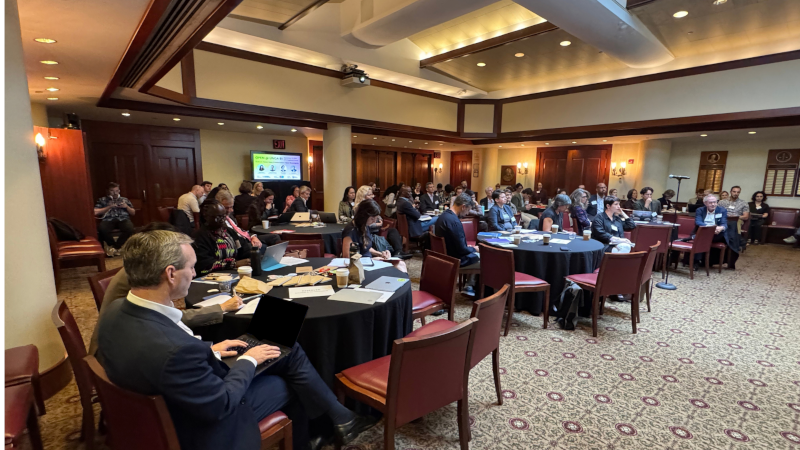
			<p style="text-align:justify;"><span style="background-color:#ffff00;"><span style=""><strong>Openness &amp; Digital Sovereignty: Who Sustains the Commons?</strong></span></span></p><p style="text-align:justify;">Posted 30 September 2026 by <a target="_blank" rel="noopener noreferrer" href="https://creativecommons.org/person/annacreativecommons-org/">Anna Tumadóttir</a></p><p style="text-align:justify;">Theo: <a target="_blank" rel="noopener noreferrer" href="https://creativecommons.org/2026/09/30/openness-digital-sovereignty-who-sustains-the-commons/">https://creativecommons.org/2026/09/30/openness-digital-sovereignty-who-sustains-the-commons/</a></p><p style="text-align:justify;">Bài được đưa lên Internet ngày: 30/09/2026</p><p style="text-align:justify;">Chúng ta đang ở thời điểm then chốt đối với nền tảng web mở, và cần đưa các vấn đề về tính mở cũng như nguồn tài nguyên chung (commons) vào các cuộc thảo luận công khai, trong khi nỗ lực định hướng sự phát triển của AI nhằm phục vụ lợi ích cộng đồng. <span style="color:#c9211e;">Đây <i>cũng</i> là lúc tính mở được ca ngợi như một giải pháp vạn năng cho chủ quyền kỹ thuật số; điều này đòi hỏi chúng ta phải xem xét và đánh giá kỹ lưỡng hơn</span>.</p><p style="text-align:justify;">Vào ngày 21 tháng 9, Creative Commons đã quy tụ các chuyên gia hàng đầu, những người thực hành và các nhà phát triển để cùng thảo luận về nền tảng hợp tác của tính mở. <span style="color:#c9211e;">Họ đã cùng xem xét mọi khía cạnh của hệ thống để hiểu rõ hơn về những gì tính mở có thể—và không thể—thực hiện nhằm hỗ trợ các cộng đồng và quốc gia hướng tới chủ quyền kỹ thuật số</span>.</p><p style="text-align:justify;">Sự kiện này được tổ chức thành công nhờ sự hỗ trợ hào phóng từ <a target="_blank" rel="noopener noreferrer" href="https://www.siegelendowment.org/">Siegel Family Endowment</a>. Chúng tôi cũng xin gửi lời cảm ơn đến các đơn vị đồng tổ chức tại <a target="_blank" rel="noopener noreferrer" href="https://www.nyuengelberg.org/">Trung tâm Engelberg của NYU</a> đã tạo không gian cho cuộc đối thoại ý nghĩa này.</p><p style="text-align:justify;">Những thông điệp xuyên suốt và rõ nét từ buổi thảo luận bao gồm:</p><ul><li data-list-item-id="ed306fee5da38b82e824f8a46367d4ff2"><p style="text-align:justify;">Tính mở tạo ra các lựa chọn</p></li><li data-list-item-id="eb7a94668b163f0819e9bd8eb988eb4ec"><p style="text-align:justify;">Chủ quyền phụ thuộc vào khả năng thực thi và duy trì các lựa chọn đó</p></li><li data-list-item-id="e9376259c4ef97fb9b1f55000b7996313"><p style="text-align:justify;">Việc duy trì con người, các thể chế và nguồn lực chung—những yếu tố tạo nên tính mở—phải là một phần trong bất kỳ chiến lược chủ quyền hợp lý nào</p></li></ul><p style="text-align:justify;">Khi chuẩn bị cho <a target="_blank" rel="noopener noreferrer" href="https://genevaaisummit.swiss/">Hội nghị thượng đỉnh về AI tại Geneva</a> vào năm tới, chúng tôi coi việc tổ chức các cuộc đối thoại, hợp tác với các tổ chức có cùng chí hướng và xây dựng các công cụ hiện thực hóa tương lai mong muốn là trách nhiệm của mình.</p><p style="text-align:justify;"><span style="color:#c9211e;">Chúng tôi bắt đầu ngày làm việc với một nhận định đơn giản: tính mở và chủ quyền kỹ thuật số có mối liên hệ mật thiết, nhưng bản thân tính mở chưa phải là một chiến lược chủ quyền</span>. <span style="color:#c9211e;">Chủ quyền kỹ thuật số cốt yếu nằm ở khả năng đưa ra những lựa chọn có ý nghĩa về các hệ thống kỹ thuật số mà chúng ta phụ thuộc vào</span>. Và quả thực, <span style="color:#c9211e;">tính mở <i>có thể</i> giúp tạo ra các lựa chọn đó thông qua quyền tự do kiểm tra, tùy biến, chia sẻ, hợp tác và—có lẽ quan trọng nhất—là khả năng từ bỏ các hệ thống không còn phục vụ lợi ích của chúng ta khi cần thiết</span>.</p><p style="text-align:justify;"><span style="color:#c9211e;">Tuy nhiên, những quyền tự do này chỉ thực sự chuyển hóa thành chủ quyền khi chúng ta có đủ năng lực để thực thi chúng</span>. <span style="color:#c9211e;">Cơ sở hạ tầng, kỹ năng, cơ chế quản trị và nguồn lực—đó là tất cả những yếu tố cần thiết để biến các lựa chọn đó thành hiện thực</span>.</p><p style="text-align:justify;"><strong>Hợp tác mở / Chủ quyền mở</strong></p><p style="font-weight:normal;text-align:justify;">Trong cuộc thảo luận về tính mở, sự hợp tác và chủ quyền kỹ thuật số do <a target="_blank" rel="noopener noreferrer" href="https://www.linkedin.com/in/vidisha-mishra-93b901251/?isSelfProfile=false">Vidisha Mishra</a> từ <a target="_blank" rel="noopener noreferrer" href="https://www.global-solutions-initiative.org/">Global Solutions Initiative</a> chủ trì, <span style="color:#c9211e;">các diễn giả đã cùng xem xét cách các quốc gia và cộng đồng có thể hợp tác xây dựng năng lực thay vì mặc định rằng chủ quyền đồng nghĩa với việc phải tự mình làm mọi thứ</span>. <span style="color:#c9211e;">Chúng tôi đã nghe về những cơ hội hợp tác giữa các cường quốc tầm trung và vai trò của việc chia sẻ nguồn lực trong việc mở rộng các lựa chọn</span>. <a target="_blank" rel="noopener noreferrer" href="https://www.linkedin.com/in/paul-samson-ottawa/?isSelfProfile=false">Paul Samson</a> từ <a target="_blank" rel="noopener noreferrer" href="https://www.cigionline.org/">CIGI</a> gọi đây là &quot;<span style="color:#c9211e;">sự phụ thuộc lẫn nhau mang tính chiến lược</span>&quot;. Đây là tư duy mà chúng ta có thể áp dụng, đồng thời tận dụng <span style="color:#c9211e;">nhận thức ngày càng cao về tầm quan trọng của tính mở</span>. Tư duy này cũng đóng vai trò then chốt để thúc đẩy các sáng kiến ​​như &quot;<a target="_blank" rel="noopener noreferrer" href="https://50in5.net/">50 in 5</a>&quot; (<span style="color:#c9211e;">triển khai Cơ sở hạ tầng Công cộng Kỹ thuật số - DPI tại 50 quốc gia trong vòng 5 năm</span>) – <span style="color:#c9211e;">một nỗ lực quan trọng nhằm chia sẻ kinh nghiệm, các mô hình thực tiễn tốt nhất và công nghệ để phát triển cơ sở hạ tầng công cộng kỹ thuật số toàn cầu</span>. <a target="_blank" rel="noopener noreferrer" href="https://www.linkedin.com/in/bakermitchell/?isSelfProfile=false">Mitchell Baker</a>, đồng sáng lập dự án <a target="_blank" rel="noopener noreferrer" href="https://www.mozilla.org/en-US/">Mozilla</a>, đã chỉ ra một thực tế có phần trái ngược với suy nghĩ thông thường: &quot;<span style="color:#c9211e;">tính không ổn định (instability) có thể thúc đẩy tính mở</span>&quot;. Bà nhấn mạnh rằng chúng ta cần tận dụng cơ hội này, đặc biệt là vì – như <a target="_blank" rel="noopener noreferrer" href="https://www.linkedin.com/in/liv-marte-nordhaug-6b59743/?isSelfProfile=false">Liv Marte Nordhaug</a> từ <a target="_blank" rel="noopener noreferrer" href="https://www.digitalpublicgoods.net/">DPGA</a> đã tóm tắt – &quot;<span style="color:#c9211e;">chúng ta phải hành động nhanh chóng, bởi vì mọi thứ đang dần đổ vỡ</span>&quot;.</p><p style="text-align:justify;"><strong>Cơ sở hạ tầng mở</strong></p><p style="font-weight:normal;text-align:justify;">Chính từ gợi mở đó, cuộc thảo luận đã chuyển hướng sang chủ đề cơ sở hạ tầng mở. Đồng nghiệp xuất sắc của tôi, <a target="_blank" rel="noopener noreferrer" href="https://www.linkedin.com/in/monsauce/?isSelfProfile=false">Monica Granados</a>, đã sử dụng phép ẩn dụ về sinh thái học khi trình bày về khái niệm cơ sở hạ tầng của nguồn tài nguyên chung (commons). Cách tiếp cận này vừa mang lại những liên tưởng thú vị, vừa giúp chúng tôi hiểu rõ hơn về bối cảnh hiện tại. Khi loài sói tại Vườn quốc gia Yellowstone bị tiêu diệt do nạn săn bắt không kiểm soát, hệ sinh thái đã phải gánh chịu hệ quả tiêu cực: số lượng con mồi gia tăng dẫn đến tình trạng chăn thả quá mức, xói mòn đất và ảnh hưởng xấu đến các loài thú nhỏ vốn phụ thuộc vào sự cân bằng tinh tế của môi trường sống tự nhiên.</p><p style="font-weight:normal;text-align:justify;"><span style="color:#c9211e;"><strong>Điều gì sẽ xảy ra với &quot;nguồn tài nguyên chung&quot; (commons) nếu những &quot;con sói&quot; của cơ sở hạ tầng mở – tức là các tổ chức hoạt động theo mô hình mở như chúng tôi – biến mất?</strong> (Lưu ý: Việc tái thả và hỗ trợ loài sói một cách cẩn trọng, thông qua các biện pháp can thiệp và quy định quản lý, đã giúp khôi phục sự cân bằng tại Yellowstone.</span>)</p><p style="font-weight:normal;text-align:justify;"><span style="color:#c9211e;">Cuộc thảo luận tập trung vào việc kết nối giữa chính sách và thực tiễn</span>. Làm việc theo mô hình mở mang lại sự linh hoạt như thế nào? Đâu là những thực tế thương mại và thách thức trong việc xây dựng và duy trì cơ sở hạ tầng có khả năng tồn tại bền vững? Và các định nghĩa của chúng ta cần thay đổi ra sao trong thời điểm hiện tại? <a target="_blank" rel="noopener noreferrer" href="https://www.linkedin.com/in/kaythaney/?isSelfProfile=false">Kaitlin Thaney</a> từ tổ chức <a target="_blank" rel="noopener noreferrer" href="https://investinopen.org/">Invest in Open Infrastructure</a> đã thảo luận về việc bối cảnh định nghĩa đang chuyển dịch từ góc độ &quot;ý thức hệ&quot; sang hướng &quot;thực tiễn&quot;. <span style="color:#c9211e;">Thay vì sa đà vào những định nghĩa cứng nhắc, chúng ta sẽ đạt hiệu quả tốt hơn nếu tập trung xem xét các thách thức ở tầm bao quát cũng như những khả năng mà các quan niệm rộng mở hơn về tính mở có thể mang lại</span>.</p><p style="text-align:justify;"><a target="_blank" rel="noopener noreferrer" href="https://www.linkedin.com/in/yaelelmatad/?isSelfProfile=false">Yael Elmatad</a> của <a target="_blank" rel="noopener noreferrer" href="https://openathena.ai/">OpenAthena</a> phản ánh rằng có một “sự an toàn nhất định trong tính mở”, trong khi <a target="_blank" rel="noopener noreferrer" href="https://www.linkedin.com/in/ellie-bertani/?isSelfProfile=false">Ellie Bertani</a> của <a target="_blank" rel="noopener noreferrer" href="https://www.gitlabfoundation.org/">GitLab Foundation</a> nói rằng một quan điểm là <span style="color:#c9211e;">xem xét “giá trị thu được từ đó, so với giá trị được phân phối tới” khi chúng ta nghĩ về cách xây dựng các công cụ mới</span>. <span style="color:#c9211e;">Nếu chúng ta xây dựng trên nền tảng mở, chúng ta sẽ có cơ hội tốt nhất về quyền truy cập và đổi mới được chia sẻ chung theo cách dân chủ hóa</span>. Đồng thời, các nhà xây dựng phải duy trì tính cạnh tranh và cơ sở hạ tầng mở phải được thừa nhận. <a target="_blank" rel="noopener noreferrer" href="https://www.linkedin.com/in/jan-gerlach/?isSelfProfile=false">Jan Gerlach</a> từ <a target="_blank" rel="noopener noreferrer" href="https://wikimediafoundation.org/">Wikimedia Foundation</a> đã nói chuyện sâu sắc về “cuộc khủng hoảng ghi nhận nguồn gốc” (crisis of attribution) vào thời điểm này. Sự thiếu công nhận đối với các quỹ mở này đã được lặp đi lặp lại như một mối lo ngại suốt cả ngày. Như Jan nói, “Cuộc khủng hoảng về tính bền vững trông như thế này đây.”</p><p style="text-align:justify;">Creative Commons hiện đang tập trung sâu vào công việc ghi nhận nguồn gốc. Đọc <a target="_blank" rel="noopener noreferrer" href="https://bit.ly/Attribution-and-AI-Issue-Brief">bản tóm tắt vấn đề</a> (<a target="_blank" rel="noopener noreferrer" href="https://giaoducmo.avnuc.vn/index.php/tai-lieu-dich/ghi-nhan-nguon-goc-ket-qua-dau-ra-cua-ai-ban-dich-sang-tieng-viet-1784.html">bản dịch sang tiếng Việt</a>) và <a target="_blank" rel="noopener noreferrer" href="https://creativecommons.org/2026/07/24/attribution-in-the-age-of-ai/">bài viết trên blog</a> (<a target="_blank" rel="noopener noreferrer" href="https://giaoducmo.avnuc.vn/index.php/cap-giay-phep-mo/ghi-nhan-nguon-goc-trong-ky-nguyen-ai-1785.html">bản dịch sang tiếng Việt</a>) của chúng tôi để tìm hiểu thêm.</p><p style="text-align:justify;"><strong>Dữ liệu mở</strong></p><p style="text-align:justify;">Trên thực tế, các vấn đề ghi công đã được lặp lại trong hội thảo về dữ liệu mở, do <a target="_blank" rel="noopener noreferrer" href="https://www.linkedin.com/in/angela-oduor-lungati/?isSelfProfile=false">Angela Oduor Lungati</a> của <a target="_blank" rel="noopener noreferrer" href="https://www.ushahidi.com/">Ushahidi</a> dẫn dắt. <span style="color:#c9211e;">Ở đây, chúng tôi được nhắc nhở rằng tính mở không bao giờ chỉ là vấn đề kỹ thuật mà còn là về cộng đồng, bối cảnh và con người đằng sau dữ liệu</span>. Những thực tế này thường bị bỏ qua nhưng phải được xem xét nếu chúng ta muốn xây dựng các chính sách quản trị dữ liệu toàn diện ở mọi cấp độ.</p><p style="text-align:justify;"><a target="_blank" rel="noopener noreferrer" href="https://www.linkedin.com/in/e-m-lewis-jong-50509791/?isSelfProfile=false">E.M. Lewis-Jong</a> của <a target="_blank" rel="noopener noreferrer" href="https://mozilladatacollective.com/">Mozilla Data Collective</a> đã nói về sự cần thiết của “<span style="color:#c9211e;">một loạt các biện pháp can thiệp để bảo vệ lợi ích công cộng của dữ liệu</span>”, như <a target="_blank" rel="noopener noreferrer" href="https://www.linkedin.com/in/christopher-j-lewis/?isSelfProfile=false">Chris Lewis</a> của <a target="_blank" rel="noopener noreferrer" href="https://publicknowledge.org/">Public Knowledge</a> đã than thở rằng “<span style="color:#c9211e;">mọi người đang khóa mọi cách họ có thể</span>”. <a target="_blank" rel="noopener noreferrer" href="https://www.linkedin.com/in/jane-anderson-ab522022/?isSelfProfile=false">Jane Anderson</a> của <a target="_blank" rel="noopener noreferrer" href="https://localcontexts.org/">Local Contexts</a> đã nói về <span style="color:#c9211e;">việc sử dụng dữ liệu Bản địa cho thấy sự coi thường hoàn toàn đối với nguồn gốc xuất xứ và việc tái sử dụng một cách tôn trọng, bởi vì “những gì được xây dựng đều có hậu quả”</span>. Đầy hứa hẹn, <span style="color:#c9211e;">cộng đồng đang có những nỗ lực nhằm tái cân bằng quyền lực</span>.</p><p style="text-align:justify;">Từ quan điểm của CC, chúng tôi tiếp tục tin rằng chúng tôi phải cân bằng các quyền truy cập và tái sử dụng có ý nghĩa với trách nhiệm quản lý và lợi ích công cộng. Không có giải pháp duy nhất nào phù hợp với mọi hoạt động chia sẻ dữ liệu vì không phải mọi nhu cầu đều giống nhau. <span style="color:#c9211e;">Tầm quan trọng của việc xây dựng cơ sở hạ tầng mở mà chúng tôi xây dựng bằng ngôn ngữ địa phương, bối cảnh văn hóa và thực tiễn mở, tất cả đều cho phép sự tham gia thực sự, <i>không phải là</i> các tiện ích bổ sung tùy chọn cho cơ sở hạ tầng kỹ thuật số của chúng tôi—chúng phải được coi là một phần cốt lõi của cơ sở hạ tầng đó</span>. <span style="color:#c9211e;">Các thực hành mở có thể giúp chúng ta chống lại sự đồng nhất hóa kỹ thuật số và tạo không gian cho một tương lai kỹ thuật số phản ánh sự đa dạng của những người sống trong đó</span>.</p><p style="text-align:justify;"><span style="color:#c9211e;">Tôi muốn tin rằng tất cả chúng ta đều có thể đồng ý rằng chúng ta không cần phải dịch bản thân chúng ta sang ngôn ngữ, văn hóa hoặc thế giới quan của người khác để tham gia vào một tương lai kỹ thuật số</span>.</p><p style="text-align:justify;"><strong>Nguồn mở</strong></p><p style="text-align:justify;">Phiên thảo luận về nguồn mở đã nhắc nhở người tham dự rằng tất cả chúng ta đều chịu sự chi phối của các lực lượng thị trường – những yếu tố định hình nên các hệ thống ta sử dụng hàng ngày; nhưng đồng thời, ngược lại, nó cũng cho thấy nguồn mở có thể góp phần định hình thị trường và thay đổi các loại hệ thống mà chúng ta sử dụng như một phần của cơ sở hạ tầng công cộng thường ngày của chúng ta. Rào cản lớn nhất có lẽ chỉ đơn thuần nằm ở tính tiện dụng và tâm lý ưa chuộng sự đơn giản; tuy nhiên, các diễn giả cũng chỉ ra rằng điều này có thể phải đánh đổi bằng các vấn đề về quyền riêng tư và lợi ích chung. <a target="_blank" rel="noopener noreferrer" href="https://www.linkedin.com/in/amcasari/?isSelfProfile=false">Amanda Cesari</a> từ bộ phận <a target="_blank" rel="noopener noreferrer" href="https://opensource.google/">Google Open Source</a> đã diễn giải lại những thách thức mà người điều hành (ví dụ như trên GitHub) gặp phải khi đối mặt với làn sóng đóng góp hời hợt – hay còn gọi là &quot;spam&quot; – thành cụm từ &quot;những đóng góp kém chất lượng trên quy mô lớn&quot;; bà cũng lưu ý về gánh nặng ngày càng tăng đối với những người duy trì dự án khi họ thiếu các công cụ đánh giá phù hợp. Câu nói ấn tượng nhất trong ngày, đến từ <a target="_blank" rel="noopener noreferrer" href="https://www.linkedin.com/in/duaneobrien/?isSelfProfile=false">Duane O’Brien</a> thuộc tổ chức <a target="_blank" rel="noopener noreferrer" href="https://opensource.org/">Open Source Initiative</a>, đã tóm tắt một thông điệp xuyên suốt: &quot;<span style="color:#c9211e;">Bản thân tính &#039;mở&#039; không tạo ra nhiều giá trị trực tiếp, nhưng nó lại là nền tảng cho phép tạo ra vô số khả năng khác.</span>&quot;&nbsp;</p><p style="text-align:justify;"><strong>Ai là người duy trì nguồn tài nguyên chung?&nbsp;</strong></p><p style="text-align:justify;">Những cuộc thảo luận này đã củng cố một thông điệp mà phong trào của chúng ta cần tiếp tục lan tỏa khi vận động cho tính mở: <span style="color:#c9211e;">chủ quyền kỹ thuật số không đạt được bằng cách sở hữu nhiều hơn các công nghệ mà ta phụ thuộc vào, mà bằng cách nắm quyền chủ động thực sự đối với chúng cũng như có khả năng duy trì quyền chủ động đó theo thời gian</span>. Gần đây, tôi đã đọc xong cuốn sách mới nhất của Cory Doctorow có tựa đề <a target="_blank" rel="noopener noreferrer" href="https://www.goodreads.com/en/book/show/245645195-the-reverse-centaur-s-guide-to-life-after-ai"><i>The Reverse Centaur’s Guide to Life After AI</i></a>. Trong đó, ông nhiều lần đặt ra câu hỏi (được diễn giải lại như sau): <span style="color:#c9211e;">Khi nói đến công nghệ, chúng ta cần tự hỏi: công nghệ đó đang phục vụ ai và đang tác động lên ai</span>?&nbsp;</p><p style="text-align:justify;">Đối với chúng ta – một phong trào bao gồm nhiều cộng đồng đa dạng với những hệ giá trị và niềm tin đan xen – chúng ta phải liên tục đặt ra câu hỏi này một cách công khai cho đến khi tìm được lời giải thỏa đáng: <span style="color:#c9211e;"><strong>Ai là người duy trì nguồn tài nguyên chung?</strong></span> <span style="color:#c9211e;">Nếu tính mở là một trong những nền tảng của chủ quyền kỹ thuật số, thì chúng ta phải kiến ​​tạo các điều kiện để các nguồn tài nguyên mở có thể tồn tại, phát triển và duy trì bền vững</span>. <span style="color:#c9211e;">Mặc dù đã đạt được những thành tựu nhất định, nhưng một trong những lý do khiến các giải pháp thay thế nguồn mở chưa trở thành một phần quan trọng hơn trong cơ sở hạ tầng kỹ thuật số là vì tính mở không tự động đi kèm với một mô hình hỗ trợ bền vững</span>. <span style="color:#c9211e;">Tất cả chúng ta đều hưởng lợi to lớn từ các nguồn lực chung, nhưng xét trên phương diện tập thể và xã hội, chúng ta vẫn chưa xây dựng được các thể chế, cơ chế tài chính hay cam kết công cần thiết để duy trì chúng</span>.&nbsp;</p><p style="text-align:justify;"><i>Chúng ta không thể trông chờ chỉ vào những nỗ lực tự nguyện để duy trì tính mở, trong khi lại coi đó là một nguyên tắc cơ bản của chủ quyền kỹ thuật số.</i></p><p style="text-align:justify;">Mạng lưới web mở thật tuyệt vời, nhưng những lỗ hổng của nó ngày càng bộc lộ rõ ​​nét. <span style="color:#c9211e;">Phần mềm nguồn mở được tôn vinh xứng đáng như một nền tảng cho chủ quyền kỹ thuật số, song chúng ta vẫn chưa thực sự đãi ngộ thỏa đáng cho những người duy trì chúng</span>. <span style="color:#c9211e;">Những cá nhân duy trì phần mềm nguồn mở thường xuyên bị kỳ vọng phải làm việc mà thiếu đi nguồn lực hay sự ghi nhận xứng đáng với công sức họ bỏ ra</span>. <span style="color:#c9211e;">Các dự án cơ sở hạ tầng mở có thể trở nên phụ thuộc vào nguồn tài trợ từ thiện hoặc các ưu tiên của một chính phủ hay chính quyền cụ thể</span>. <span style="color:#c9211e;">Đồng thời, phong trào tri thức mở cho thấy ngay cả những tài sản công giá trị nhất—chính là cơ sở hạ tầng tri thức thiết yếu của web—cũng trở nên mong manh khi những con người và tổ chức đứng sau chúng không được ghi nhận và không thể duy trì hoạt động</span>.</p><p style="text-align:justify;">Các dự án như Wikipedia bộc lộ những sự phụ thuộc đầy mong manh. Chúng minh chứng cho giá trị to lớn của tri thức chia sẻ, nhưng giá trị đó lại phụ thuộc vào cộng đồng các cộng tác viên, biên tập viên, nhà tài trợ cũng như khả năng duy trì sự hỗ trợ cho công việc giúp các nguồn tài nguyên này tồn tại. Các cuộc thảo luận tại sự kiện của chúng tôi cho thấy đây không phải là những vấn đề thứ yếu, mà là những câu hỏi then chốt về khả năng chống chịu của các nền tảng kỹ thuật số của chúng ta.</p><p style="text-align:justify;"><span style="color:#c9211e;">Việc chúng ta phụ thuộc một cách thiếu cân nhắc vào các cộng đồng mở đang thiếu hụt nguồn lực này cũng cần được quan tâm ngang bằng với sự phụ thuộc vào các nhà cung cấp công nghệ tập trung</span>. <span style="color:#c9211e;">Nếu muốn các hệ thống mở trở thành những giải pháp thay thế bền vững, thì những người duy trì, cơ sở hạ tầng chia sẻ và tri thức mở cần phải là một phần trong các cuộc thảo luận về chính sách, và đặc biệt là trong các chiến lược tài trợ công</span>. <span style="color:#c9211e;">Chúng ta không thể bàn về chủ quyền kỹ thuật số như một vấn đề của sự lựa chọn và quyền kiểm soát mà lại bỏ qua trách nhiệm duy trì chính những nguồn lực giúp hiện thực hóa các lựa chọn đó</span>.</p><p style="text-align:justify;"><strong>Mở rộng Hợp tác</strong></p><p style="font-weight:normal;text-align:justify;">Sự kiện này là một phần của lộ trình &quot;<strong>Road to Geneva</strong>&quot; (<strong>Hướng tới Geneva</strong>), đồng thời thể hiện nỗ lực có chủ đích của các tổ chức có cùng ưu tiên nhằm hợp tác trên một quy mô lớn hơn. Lần này, chúng tôi đã quy tụ các nhà vận động, chuyên gia công nghệ và lãnh đạo xã hội dân sự. Chúng ta cần mở rộng diễn đàn này để thu hút thêm cả những người trực tiếp xây dựng hệ thống, các nhà hoạch định chính sách và các bên tài trợ.</p><p style="font-weight:normal;text-align:justify;"><span style="color:#c9211e;">Chúng tôi hướng tới một tương lai nơi tính mở không chỉ là niềm mong mỏi mà còn là một thực tiễn bền vững; nơi sự hợp tác giúp mở rộng các lựa chọn thay vì tạo ra những sự phụ thuộc mới; và nơi chủ quyền kỹ thuật số không chỉ được đo lường bằng khả năng kiểm soát của quốc gia, mà còn bằng những lựa chọn thực sự có ý nghĩa dành cho người dân, cộng đồng và các tổ chức</span>.</p><p style="font-weight:normal;text-align:justify;">Nếu có thể tạo sự đồng bộ tốt hơn giữa các chương trình nghị sự chung, chúng ta sẽ tạo ra được tác động tập thể mạnh mẽ hơn. Khi hướng tới Hội nghị Thượng đỉnh AI tại Geneva vào tháng 6 tới, đội ngũ CC sẽ nỗ lực hết mình để góp phần xây dựng một chương trình nghị sự thống nhất hơn vì tính mở và các nguồn tài nguyên chung (the commons).</p><p style="text-align:justify;"><span style="background-color:#ffff00;"><span style="font-weight:normal;">We are in a critical moment for the open web, and must raise the issues of openness and the commons to the level of public dialogue as we try to steer AI development to serve the public interest. We are </span><i><span style="font-weight:normal;">also </span></i><span style="font-weight:normal;">in a moment when open is being hailed as a panacea for digital sovereignty. This warrants interrogation.</span></span></p><p style="text-align:justify;"><span style="background-color:#ffff00;"><span style="">On September 21st, Creative Commons convened leading experts, practitioners, and builders for a day of conversation about the collaborative underpinnings of openness, investigating all the layers of the stack for a better, shared understanding of what openness can—and cannot—do to help communities and nations drive towards digital sovereignty.</span></span></p><p style="text-align:justify;"><span style="background-color:#ffff00;"><span style="">This event was made possible through the generous support of the </span></span><a target="_blank" rel="noopener noreferrer" href="https://www.siegelendowment.org/"><span style="background-color:#ffff00;"><span style="">Siegel Family Endowment</span></span></a><span style="background-color:#ffff00;"><span style="">. We are grateful to our co-hosts at the </span></span><a target="_blank" rel="noopener noreferrer" href="https://www.nyuengelberg.org/"><span style="background-color:#ffff00;"><span style="">NYU Engelberg Center</span></span></a><span style="background-color:#ffff00;"><span style=""> for making the space for a conversation like this.</span></span></p><p style="text-align:justify;"><span style="background-color:#ffff00;"><span style="">Clear throughlines from the convening were:</span></span></p><ul><li data-list-item-id="e4cf3fd8a19d2fa8694634ce264ee1bfb"><p style="text-align:justify;"><span style="background-color:#ffff00;"><span style="font-weight:normal;">Openness creates choices</span><span style="">&nbsp;</span></span></p></li><li data-list-item-id="ece0a11dfdd63d01d08af7658e81505df"><p style="text-align:justify;"><span style="background-color:#ffff00;"><span style="font-weight:normal;">Sovereignty depends on our ability to exercise and sustain those choices</span><span style="">&nbsp;</span></span></p></li><li data-list-item-id="e19b05a6ff31cd0bba301c2df66922dbf"><p style="text-align:justify;"><span style="background-color:#ffff00;"><span style="font-weight:normal;">Sustaining the people, institutions, and shared resources that make openness possible must be part of any sensible sovereignty strategy</span><span style="">&nbsp;</span></span></p></li></ul><p style="text-align:justify;"><span style="background-color:#ffff00;"><span style="">As we prepare for the </span></span><a target="_blank" rel="noopener noreferrer" href="https://genevaaisummit.swiss/"><span style="background-color:#ffff00;"><span style="">AI Summit in Geneva</span></span></a><span style="background-color:#ffff00;"><span style=""> next year, we see it as our responsibility to convene conversations, to collaborate with aligned organizations, and, ultimately, to build tools that enable the future we want to see.</span></span></p><p style="text-align:justify;"><span style="background-color:#ffff00;"><span style="font-weight:normal;">We started the day with a simple proposition: that openness and digital sovereignty </span><i><span style="font-weight:normal;">are </span></i><span style="font-weight:normal;">deeply intertwined, but openness alone is not a sovereignty strategy. Digital sovereignty is all about our ability to make meaningful choices about the digital systems on which we depend. And yes, openness </span><i><span style="font-weight:normal;">can </span></i><span style="font-weight:normal;">help create those choices through the freedom to inspect, adapt, share, collaborate, and—perhaps most importantly—move away from systems that no longer serve us when that’s necessary.</span></span></p><p style="text-align:justify;"><span style="background-color:#ffff00;"><span style="">These freedoms only translate into sovereignty, though, when we have the capacity to exercise them. Infrastructure, skills, governance, resources—these are all things we need to make those choices real.&nbsp;</span></span></p><p style="text-align:justify;"><span style="background-color:#ffff00;"><span style=""><strong>Open Collaboration / Open Sovereignty</strong></span></span></p><p style="text-align:justify;"><span style="background-color:#ffff00;"><span style="font-weight:normal;">When discussing </span><span style="">openness, collaboration and digital sovereignty, </span><span style="font-weight:normal;">a conversation led by </span></span><a target="_blank" rel="noopener noreferrer" href="https://www.linkedin.com/in/vidisha-mishra-93b901251/?isSelfProfile=false"><span style="background-color:#ffff00;"><span style="font-weight:normal;">Vidisha Mishra</span></span></a><span style="background-color:#ffff00;"><span style="font-weight:normal;"> from </span></span><a target="_blank" rel="noopener noreferrer" href="https://www.global-solutions-initiative.org/"><span style="background-color:#ffff00;"><span style="font-weight:normal;">Global Solutions Initiative</span></span></a><span style="background-color:#ffff00;"><span style="font-weight:normal;">, panelists explored how countries and communities can build capacity together rather than assuming sovereignty means doing everything alone. We heard about the possibilities for middle-power collaboration, and the role that shared resources can play in expanding our options. </span></span><a target="_blank" rel="noopener noreferrer" href="https://www.linkedin.com/in/paul-samson-ottawa/?isSelfProfile=false"><span style="background-color:#ffff00;"><span style="font-weight:normal;">Paul Samson</span></span></a><span style="background-color:#ffff00;"><span style="font-weight:normal;"> from </span></span><a target="_blank" rel="noopener noreferrer" href="https://www.cigionline.org/"><span style="background-color:#ffff00;"><span style="font-weight:normal;">CIGI</span></span></a><span style="background-color:#ffff00;"><span style="font-weight:normal;"> described this as “strategic interdependence.” This is a mindset we can lean into while leveraging the heightened awareness that openness has. It is also critical to moving forward on initiatives like </span></span><a target="_blank" rel="noopener noreferrer" href="https://50in5.net/"><span style="background-color:#ffff00;"><span style="font-weight:normal;">50 in 5</span></span></a><span style="background-color:#ffff00;"><span style="font-weight:normal;">—advancing DPI in 50 countries in 5 years, an important effort to share learnings, best practices and technologies to advance global digital public infrastructure. </span></span><a target="_blank" rel="noopener noreferrer" href="https://www.linkedin.com/in/bakermitchell/?isSelfProfile=false"><span style="background-color:#ffff00;"><span style="font-weight:normal;">Mitchell Baker</span></span></a><span style="background-color:#ffff00;"><span style="font-weight:normal;">, co-founder of the </span></span><a target="_blank" rel="noopener noreferrer" href="https://www.mozilla.org/en-US/"><span style="background-color:#ffff00;"><span style="font-weight:normal;">Mozilla</span></span></a><span style="background-color:#ffff00;"><span style="font-weight:normal;"> project, pointed to the counterintuitive fact that “instability might drive openness” and that it is up to us to leverage this opportunity, especially because, as </span></span><a target="_blank" rel="noopener noreferrer" href="https://www.linkedin.com/in/liv-marte-nordhaug-6b59743/?isSelfProfile=false"><span style="background-color:#ffff00;"><span style="font-weight:normal;">Liv Marte Nordhaug</span></span></a><span style="background-color:#ffff00;"><span style="font-weight:normal;"> from the </span></span><a target="_blank" rel="noopener noreferrer" href="https://www.digitalpublicgoods.net/"><span style="background-color:#ffff00;"><span style="font-weight:normal;">DPGA</span></span></a><span style="background-color:#ffff00;"><span style="font-weight:normal;"> summarized, “we have to move fast, because things are being broken.”</span></span></p><p style="text-align:justify;"><span style="background-color:#ffff00;"><span style=""><strong>Open Infrastructure</strong></span></span></p><p style="text-align:justify;"><span style="background-color:#ffff00;"><span style="font-weight:normal;">It was with that provocation that the conversation shifted to </span><span style="">open infrastructure</span><span style="font-weight:normal;">. My brilliant colleague </span></span><a target="_blank" rel="noopener noreferrer" href="https://www.linkedin.com/in/monsauce/?isSelfProfile=false"><span style="background-color:#ffff00;"><span style="font-weight:normal;">Monica Granados</span></span></a><span style="background-color:#ffff00;"><span style="font-weight:normal;"> brought in an ecology metaphor to her framing of the infrastructure of commons, which allowed for both some humorous metaphor-building and, ultimately, a greater understanding of the moment that faces us. When the wolves in Yellowstone were extirpated due to unregulated hunting practices, there were a number of negative knock-on effects in the ecosystem: their prey grew in population, which led to overgrazing, erosion, and a negative impact on smaller mammals that otherwise relied on a careful balance in the natural habitat.</span></span></p><p style="text-align:justify;"><span style="background-color:#ffff00;"><span style=""><strong>What would happen to the commons if the wolves of open infrastructure—open organizations like us—were to disappear? </strong></span><span style="font-weight:normal;">(P.S. careful reintroduction of and support of wolves, through intervention and regulation, has rebalanced conditions in Yellowstone.)</span></span></p><p style="text-align:justify;"><span style="background-color:#ffff00;"><span style="">The conversation focused on bridging policies and practice. What is the flexibility afforded by working in the open? What are some of the commercial realities and challenges of building and maintaining infrastructure that can endure? And how do our definitions need to shift in this moment? </span></span><a target="_blank" rel="noopener noreferrer" href="https://www.linkedin.com/in/kaythaney/?isSelfProfile=false"><span style="background-color:#ffff00;"><span style="">Kaitlin Thaney</span></span></a><span style="background-color:#ffff00;"><span style=""> from </span></span><a target="_blank" rel="noopener noreferrer" href="https://investinopen.org/"><span style="background-color:#ffff00;"><span style="">Invest in Open Infrastructure</span></span></a><span style="background-color:#ffff00;"><span style=""> discussed that the definitions landscape is shifting from “ideological to pragmatic.” Instead of getting stuck in strict definitions, we’re better served by thinking about bigger picture challenges and what broader conceptions of openness can enable.</span></span></p><p style="text-align:justify;"><a target="_blank" rel="noopener noreferrer" href="https://www.linkedin.com/in/yaelelmatad/?isSelfProfile=false"><span style="background-color:#ffff00;"><span style="">Yael Elmatad</span></span></a><span style="background-color:#ffff00;"><span style=""> of </span></span><a target="_blank" rel="noopener noreferrer" href="https://openathena.ai/"><span style="background-color:#ffff00;"><span style="">OpenAthena</span></span></a><span style="background-color:#ffff00;"><span style=""> reflected that there is a certain “safety in openness,” while </span></span><a target="_blank" rel="noopener noreferrer" href="https://www.linkedin.com/in/ellie-bertani/?isSelfProfile=false"><span style="background-color:#ffff00;"><span style="">Ellie Bertani</span></span></a><span style="background-color:#ffff00;"><span style=""> of </span></span><a target="_blank" rel="noopener noreferrer" href="https://www.gitlabfoundation.org/"><span style="background-color:#ffff00;"><span style="">GitLab Foundation</span></span></a><span style="background-color:#ffff00;"><span style=""> said that one perspective is to consider “value captured from, versus value delivered to” when we think about how new tools are built. If we build on open foundations, we stand the best chance of democratized access and shared innovation. At the same time, builders have to remain competitive, and open infrastructure must be acknowledged. </span></span><a target="_blank" rel="noopener noreferrer" href="https://www.linkedin.com/in/jan-gerlach/?isSelfProfile=false"><span style="background-color:#ffff00;"><span style="">Jan Gerlach</span></span></a><span style="background-color:#ffff00;"><span style=""> from the </span></span><a target="_blank" rel="noopener noreferrer" href="https://wikimediafoundation.org/"><span style="background-color:#ffff00;"><span style="">Wikimedia Foundation</span></span></a><span style="background-color:#ffff00;"><span style=""> spoke in-depth about a “crisis of attribution” in this moment. This lack of recognition for open foundations was repeated as a concern throughout the day. As Jan says, “This is what a sustainability crisis looks like.”</span></span></p><p style="text-align:justify;"><span style="background-color:#ffff00;"><span style="">Creative Commons is focused deeply on attribution work at the moment. Read our </span></span><a target="_blank" rel="noopener noreferrer" href="https://bit.ly/Attribution-and-AI-Issue-Brief"><span style="background-color:#ffff00;"><span style="">issue brief</span></span></a><span style="background-color:#ffff00;"><span style=""> and </span></span><a target="_blank" rel="noopener noreferrer" href="https://creativecommons.org/2026/07/24/attribution-in-the-age-of-ai/"><span style="background-color:#ffff00;"><span style="">blog article</span></span></a><span style="background-color:#ffff00;"><span style=""> to learn more.</span></span></p><p style="text-align:justify;"><span style="background-color:#ffff00;"><span style=""><strong>Open Data</strong></span></span></p><p style="text-align:justify;"><span style="background-color:#ffff00;"><span style="">In fact, matters of attribution were echoed in the panel on open data, led by </span></span><a target="_blank" rel="noopener noreferrer" href="https://www.linkedin.com/in/angela-oduor-lungati/?isSelfProfile=false"><span style="background-color:#ffff00;"><span style="">Angela Oduor Lungati</span></span></a><span style="background-color:#ffff00;"><span style=""> of </span></span><a target="_blank" rel="noopener noreferrer" href="https://www.ushahidi.com/"><span style="background-color:#ffff00;"><span style="">Ushahidi</span></span></a><span style="background-color:#ffff00;"><span style="">. Here, we were reminded that openness is never just a technical question but rather about the communities, contexts, and people behind the data. These realities on the ground are frequently overlooked but must be considered if we are to build holistic data governance policies at any level.</span></span></p><p style="text-align:justify;"><a target="_blank" rel="noopener noreferrer" href="https://www.linkedin.com/in/e-m-lewis-jong-50509791/?isSelfProfile=false"><span style="background-color:#ffff00;"><span style="">E.M. Lewis-Jong</span></span></a><span style="background-color:#ffff00;"><span style=""> of the </span></span><a target="_blank" rel="noopener noreferrer" href="https://mozilladatacollective.com/"><span style="background-color:#ffff00;"><span style="">Mozilla Data Collective</span></span></a><span style="background-color:#ffff00;"><span style=""> spoke of the need for “a stack of interventions to guard public benefit of data,” as </span></span><a target="_blank" rel="noopener noreferrer" href="https://www.linkedin.com/in/christopher-j-lewis/?isSelfProfile=false"><span style="background-color:#ffff00;"><span style="">Chris Lewis</span></span></a><span style="background-color:#ffff00;"><span style=""> of </span></span><a target="_blank" rel="noopener noreferrer" href="https://publicknowledge.org/"><span style="background-color:#ffff00;"><span style="">Public Knowledge</span></span></a><span style="background-color:#ffff00;"><span style=""> lamented that “people are locking down every way they can.” </span></span><a target="_blank" rel="noopener noreferrer" href="https://www.linkedin.com/in/jane-anderson-ab522022/?isSelfProfile=false"><span style="background-color:#ffff00;"><span style="">Jane Anderson</span></span></a><span style="background-color:#ffff00;"><span style=""> of </span></span><a target="_blank" rel="noopener noreferrer" href="https://localcontexts.org/"><span style="background-color:#ffff00;"><span style="">Local Contexts</span></span></a><span style="background-color:#ffff00;"><span style=""> spoke of uses of Indigenous data that showed a complete disregard for provenance and respectful reuse, because “what gets built has consequences.” Promisingly, there are efforts underway in the community to rebalance power.</span></span></p><p style="text-align:justify;"><span style="background-color:#ffff00;"><span style="font-weight:normal;">From CC’s perspective, we continue to believe that we must balance meaningful access and reuse rights with responsible stewardship and public benefit. There is no single solution that will suit all data sharing because not all needs are the same. The importance of grounding the open infrastructure we build in local languages, cultural contexts, and open practices, all of which enable genuine participation, are </span><i><span style="font-weight:normal;">not </span></i><span style="font-weight:normal;">optional add-ons to our digital infrastructure—they must be considered a core part of it. Open practices can help us resist digital homogenization and make space for a digital future that reflects the diversity of the people who inhabit it.</span></span></p><p style="text-align:justify;"><span style="background-color:#ffff00;"><span style="">I would like to believe that we can all agree that we should not have to translate ourselves into someone else’s language, culture, or worldview to participate in a digital future.</span></span></p><p style="text-align:justify;"><span style="background-color:#ffff00;"><span style=""><strong>Open Source</strong></span></span></p><p style="text-align:justify;"><span style="background-color:#ffff00;"><span style="font-weight:normal;">The </span><span style="">open source </span><span style="font-weight:normal;">panel reminded attendees how we’re collectively beholden to market forces that shape the systems we use every day but also, conversely, how open source can help shape markets and shift the types of systems we use as part of our daily public infrastructure. The biggest hindrance may simply be usability and preference for simplicity, but panelists reflected that this may come at the expense of privacy considerations and shared benefit. </span></span><a target="_blank" rel="noopener noreferrer" href="https://www.linkedin.com/in/amcasari/?isSelfProfile=false"><span style="background-color:#ffff00;"><span style="font-weight:normal;">Amanda Cesari</span></span></a><span style="background-color:#ffff00;"><span style="font-weight:normal;"> from </span></span><a target="_blank" rel="noopener noreferrer" href="https://opensource.google/"><span style="background-color:#ffff00;"><span style="font-weight:normal;">Google Open Source</span></span></a><span style="background-color:#ffff00;"><span style="font-weight:normal;"> reframed the challenges of an influx of low-effort contributions faced by moderators of Github for example as “low quality contributions at scale,” which could just be called spam, plus the observation about the growing burden this puts on maintainers who lack proper review tooling. The line of the day from </span></span><a target="_blank" rel="noopener noreferrer" href="https://www.linkedin.com/in/duaneobrien/?isSelfProfile=false"><span style="background-color:#ffff00;"><span style="font-weight:normal;">Duane O’Brien</span></span></a><span style="background-color:#ffff00;"><span style="font-weight:normal;"> of the </span></span><a target="_blank" rel="noopener noreferrer" href="https://opensource.org/"><span style="background-color:#ffff00;"><span style="font-weight:normal;">Open Source Initiative</span></span></a><span style="background-color:#ffff00;"><span style="font-weight:normal;"> summed up a consistent undercurrent: “Open by itself does very little but enables a lot.”</span></span></p><p style="text-align:justify;"><span style="background-color:#ffff00;"><span style=""><strong>Who Sustains the Commons?</strong></span></span></p><p style="text-align:justify;"><span style="background-color:#ffff00;"><span style="font-weight:normal;">These conversations reinforced something that as a movement we need to carry forward in our case for openness: digital sovereignty is not achieved by owning more of the technology we depend on but rather by having meaningful agency over it and the capacity to exercise that agency over time. I recently finished reading Cory Doctorow’s latest book, </span></span><a target="_blank" rel="noopener noreferrer" href="https://www.goodreads.com/en/book/show/245645195-the-reverse-centaur-s-guide-to-life-after-ai"><span style="background-color:#ffff00;"><i><span style="font-weight:normal;">The Reverse Centaur’s Guide to Life After AI.</span></i></span></a><span style="background-color:#ffff00;"><span style=""> </span><span style="font-weight:normal;">In it, he repeats the following question several times (paraphrased): When it comes to technology, we need to ask who is it doing things </span><i><span style="font-weight:normal;">for </span></i><span style="font-weight:normal;">and who is it doing things </span><i><span style="font-weight:normal;">to</span></i><span style="font-weight:normal;">?</span></span></p><p style="text-align:justify;"><span style="background-color:#ffff00;"><span style="font-weight:normal;">For us, as a movement, as a patchwork quilt of communities with overlapping belief structures, we have to keep publicly asking the question until there’s a good answer: </span><span style=""><strong>Who sustains the commons?</strong> </span><span style="font-weight:normal;">If openness is one of the building blocks of digital sovereignty, then we have to build the conditions that allow open resources to exist, evolve, and endure. While we have made gains, one of the reasons that open alternatives haven’t become a more substantial part of our digital infrastructure is that openness does not automatically come with a sustainability model for support. All of us benefit enormously from shared resources, but collectively, and as societies, we have not built the institutions, financing, or public commitments that are needed to sustain them.</span></span></p><p style="font-weight:normal;text-align:justify;"><span style="background-color:#ffff00;"><i><span style="">We cannot expect voluntary efforts alone to sustain openness while treating it as a basic principle of digital sovereignty.</span></i></span></p><p style="text-align:justify;"><span style="background-color:#ffff00;"><span style="">The open web is incredible, but its vulnerabilities are increasingly clear. Open source software is rightly celebrated as a foundation of digital sovereignty, but we still fail to properly reward maintainers. The people who maintain open source software are still too often expected to do so without the resources or recognition their work requires. Open infrastructure projects can become dependent on philanthropic funding or on the priorities of a particular government or administration. And the open knowledge movement shows that even the most valuable public goods—the actual critical knowledge infrastructure of the web—are vulnerable when the people and institutions behind them are not recognized and cannot be sustained.</span></span></p><p style="text-align:justify;"><span style="background-color:#ffff00;"><span style="">Projects like Wikipedia reveal fragile dependencies. They demonstrate the extraordinary value of shared knowledge, but that value depends on communities of contributors, editors, and donors and on the continued ability to support the work that keeps such resources alive. The conversations during our event showed that these are not peripheral concerns but rather the key questions about the resilience of our digital foundations.</span></span></p><p style="text-align:justify;"><span style="background-color:#ffff00;"><span style="">Our uncritical dependence on these under-resourced open communities deserves just as much attention as our dependence on centralized technology providers. If we want open systems to provide durable alternatives, then maintainers, shared infrastructure, and open knowledge need to be part of our policy discussions and particularly our public funding strategies. We cannot talk about digital sovereignty as a matter of choice and control without also talking about the responsibility to sustain the resources that make those choices possible.</span></span></p><p style="text-align:justify;"><span style="background-color:#ffff00;"><span style=""><strong>Expanding Collaboration</strong></span></span></p><p style="text-align:justify;"><span style="background-color:#ffff00;"><span style="font-weight:normal;">This event was part of the </span><span style=""><strong>Road to Geneva</strong></span><span style="font-weight:normal;">, and a more deliberate effort amongst organizations with shared priorities to collaborate on a larger stage. This time around, we brought together advocates, technologists, and civil society leaders. We need to expand the forum to include builders, policymakers, and funders.</span></span></p><p style="text-align:justify;"><span style="background-color:#ffff00;"><span style="">We want a future where openness is not simply an aspiration, but a sustainable practice. Where collaboration expands our choices rather than creating new dependencies. And where digital sovereignty is measured not just by what a country can control but by the meaningful choices available to people, communities, and institutions.</span></span></p><p style="text-align:justify;"><span style="background-color:#ffff00;"><span style="">If we can build better alignment amongst our shared agendas, we stand to have greater collective impact. As we head into the Geneva AI Summit next June, the team at CC will be doing what we can to help build a more unified agenda for openness and the commons.</span></span></p><p style="text-align:justify;">Dịch: Lê Trung Nghĩa</p><p style="text-align:justify;">letrungnghia.foss@gmail.com</p>
		</div>
				<div id="author">
						<p>
				<strong>Tác giả:</strong>
				<a href="https://letrungnghia.mangvn.org/author/Nghia-Le-Trung/">Nghĩa Lê Trung</a>
			</p>
		</div>
	</div>
	<div id="footer" class="clearfix">
		<div id="url">
			<strong>URL của bản tin này: </strong><a href="https://letrungnghia.mangvn.org/savefile/Education/tinh-mo-chu-quyen-ky-thuat-so-ai-duy-tri-cac-nguon-tai-nguyen-chung-8040.html" title="Tính mở &amp; Chủ quyền kỹ thuật số&#x3A; Ai duy trì các nguồn tài nguyên chung?">https://letrungnghia.mangvn.org/savefile/Education/tinh-mo-chu-quyen-ky-thuat-so-ai-duy-tri-cac-nguon-tai-nguyen-chung-8040.html</a>

		</div>
		<div class="clear"></div>
		<div class="copyright">
			&copy; Blog FOSS by Lê Trung Nghĩa
		</div>
		<div id="contact">
			<a href="mailto:webmaster@vinades.vn">webmaster@vinades.vn</a>
		</div>
	</div>
</div>
        <div id="timeoutsess" class="chromeframe">
            Bạn đã không sử dụng Site, <a onclick="timeoutsesscancel();" href="https://letrungnghia.mangvn.org/#">Bấm vào đây để duy trì trạng thái đăng nhập</a>. Thời gian chờ: <span id="secField"> 60 </span> giây
        </div>
        <div id="openidResult" class="nv-alert" style="display:none"></div>
        <div id="openidBt" data-result="" data-redirect=""></div>
<script src="https://letrungnghia.mangvn.org/assets/js/jquery/jquery.min.js"></script>
<script>var nv_base_siteurl="/",nv_lang_data="vi",nv_lang_interface="vi",nv_name_variable="nv",nv_fc_variable="op",nv_lang_variable="language",nv_module_name="news",nv_func_name="savefile",nv_is_user=0, nv_my_ofs=7,nv_my_abbr="+07",nv_cookie_prefix="nv4c_Cgoz2",nv_check_pass_mstime=1738000,nv_area_admin=0,nv_safemode=0,theme_responsive=0,nv_recaptcha_ver=2,nv_recaptcha_sitekey="6LcNwC8UAAAAAMm8ZTYNygweLUQtOU0IapbDRk69",nv_recaptcha_type="image",XSSsanitize=1;</script>
<script src="https://letrungnghia.mangvn.org/assets/js/language/vi.js"></script>
<script src="https://letrungnghia.mangvn.org/assets/js/DOMPurify/purify3.js"></script>
<script src="https://letrungnghia.mangvn.org/assets/js/global.js"></script>
<script src="https://letrungnghia.mangvn.org/assets/js/site.js"></script>
<script src="https://letrungnghia.mangvn.org/themes/default/js/news.js"></script>
<script src="https://letrungnghia.mangvn.org/themes/default/js/main.js"></script>
<script src="https://letrungnghia.mangvn.org/themes/default/js/custom.js"></script>
<script type="application/ld+json">
        {
            "@context": "https://schema.org",
            "@type": "Organization",
            "url": "https://letrungnghia.mangvn.org",
            "logo": "https://letrungnghia.mangvn.org/uploads/letrungnghia/le-trung-nghia.png"
        }
        </script>
<script src="https://letrungnghia.mangvn.org/themes/default/js/bootstrap.min.js"></script>
</body>
</html>