TS. Lucie Guibault về Các nhà khoa học nên biết gì về Truy cập Mở
- Thứ hai - 25/05/2020 09:27
- In ra
- Đóng cửa sổ này
Dr. Lucie Guibault on What Scientists Should Know About Open Access
Victoria Heath and Brigitte Vézina, March 27, 2020
Theo: https://creativecommons.org/2020/03/27/what-scientists-should-know-about-open-access/
Bài được đưa lên Internet ngày: 27/03/2020
Đáp lại sự khẩn cấp về y tế toàn cầu do COVID-19 gây ra, chúng tôi đã thấy một loạt các tổ chức, nhà xuất bản, và các chính phủ biến nghiên cứu liên quan tới COVID-19 thành truy cập mở. Ví dụ, Thư viện Y học Quốc gia Mỹ gần đây đã phát hành Tập hợp dữ liệu Nghiên cứu Mở của COVID-19 (CORD-19) - bộ sưu tập tư liệu về coronavirus máy đọc được với hơn 29.000 bài báo sẵn sàng để khai thác văn bản và dữ liệu (TDM).
Các hành động đó không gây ngạc nhiên biết rằng sự cấp bách của tình hình hiện nay. Trong bài đăng trước của chúng tôi, “Bây giờ là lúc cho các Chính sách Truy cập Mở - Đây là Vì sao” (Now Is the Time for Open Access Policies—Here’s Why) chúng tôi giải thích rằng sự cần thiết truy cập nhanh tới các tư liệu nghiên cứu khoa học và giáo dục là cần thiết để vượt qua khủng hoảng này. Tuy nhiên, trong khi chúng tôi tán thưởng các động thái gần đây của các tổ chức, các nhà xuất bản, và các chính phủ truy cập mở tới nghiên cứu khoa học có liên quan tới COVID-19, chúng tôi tin tưởng mức chia sẻ y hệt nên được áp dụng cho tất cả các nghiên cứu khoa học. Không chỉ vì lợi ích chung mà còn vì lợi ích khoa học. Khoa học chỉ có thể hoạt động đúng nếu các kết quả, dữ liệu, và sự thấu hiểu được làm thành sẵn sàng mở. “Tính vạn năng là nguyên tắc cơ bản của khoa học”, nhóm truy cập mở liên minh S (cOAlition S) giải thích, “chỉ các kết quả có thể được thảo luận, được thách thức, và, ở những nơi thích hợp, được kiểm thử và được tái tạo lại bởi những người khác đủ điều kiện như là những nhà khoa học”.
Đơn giản, khoa học mở là cách tốt nhất để làm khoa học. Điều này giải thích vì sao CC đã nhất quán khuyến cáo các thực hành tốt nhất sau đây cho việc chia sẻ mở nghiên cứu:
Victoria Heath and Brigitte Vézina, March 27, 2020
Theo: https://creativecommons.org/2020/03/27/what-scientists-should-know-about-open-access/
Bài được đưa lên Internet ngày: 27/03/2020
Đáp lại sự khẩn cấp về y tế toàn cầu do COVID-19 gây ra, chúng tôi đã thấy một loạt các tổ chức, nhà xuất bản, và các chính phủ biến nghiên cứu liên quan tới COVID-19 thành truy cập mở. Ví dụ, Thư viện Y học Quốc gia Mỹ gần đây đã phát hành Tập hợp dữ liệu Nghiên cứu Mở của COVID-19 (CORD-19) - bộ sưu tập tư liệu về coronavirus máy đọc được với hơn 29.000 bài báo sẵn sàng để khai thác văn bản và dữ liệu (TDM).
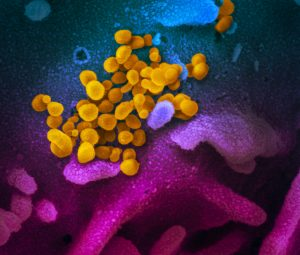
Novel Coronavirus SARS-CoV-2,” by National Institute of Allergy and Infectious Diseases (NIAID), licensed CC BY.
Các hành động đó không gây ngạc nhiên biết rằng sự cấp bách của tình hình hiện nay. Trong bài đăng trước của chúng tôi, “Bây giờ là lúc cho các Chính sách Truy cập Mở - Đây là Vì sao” (Now Is the Time for Open Access Policies—Here’s Why) chúng tôi giải thích rằng sự cần thiết truy cập nhanh tới các tư liệu nghiên cứu khoa học và giáo dục là cần thiết để vượt qua khủng hoảng này. Tuy nhiên, trong khi chúng tôi tán thưởng các động thái gần đây của các tổ chức, các nhà xuất bản, và các chính phủ truy cập mở tới nghiên cứu khoa học có liên quan tới COVID-19, chúng tôi tin tưởng mức chia sẻ y hệt nên được áp dụng cho tất cả các nghiên cứu khoa học. Không chỉ vì lợi ích chung mà còn vì lợi ích khoa học. Khoa học chỉ có thể hoạt động đúng nếu các kết quả, dữ liệu, và sự thấu hiểu được làm thành sẵn sàng mở. “Tính vạn năng là nguyên tắc cơ bản của khoa học”, nhóm truy cập mở liên minh S (cOAlition S) giải thích, “chỉ các kết quả có thể được thảo luận, được thách thức, và, ở những nơi thích hợp, được kiểm thử và được tái tạo lại bởi những người khác đủ điều kiện như là những nhà khoa học”.
Đơn giản, khoa học mở là cách tốt nhất để làm khoa học. Điều này giải thích vì sao CC đã nhất quán khuyến cáo các thực hành tốt nhất sau đây cho việc chia sẻ mở nghiên cứu:
- giai đoạn cấm vận bằng không (0) sao cho công chúng có sự truy cập tức thì
- CC BY trong một bài báo để nó sẵn sàng để khai thác văn bản và dữ liệu (TDM)
- CC0 trong dữ liệu nghiên cứu để các nhà khoa học có thể soi xét các kết luận, nhân bản nghiên cứu, và tiến bộ khoa học
Để xem xét vấn đề này xa hơn, cũng như cung cấp vài hướng dẫn cho các nhà nghiên cứu và các tổ chức chuyên nghiệp, chúng tôi đã tìm đến chuyên gia luật về sở hữu trí tuệ và bản quyền, TS. Lucie Guibault, giáo sư thỉnh giảng ở Trường Luật Schulich và Quyền Giám đốc của Viện Luật & Công nghệ ở Đại học Dalhousie.
Hội thoại của chúng tôi bên dưới được biên tập một chút để làm rõ và làm dài.
CC: Vì sao truy cập mở tới nghiên cứu và dữ liệu khoa học là đúng vào các thời điểm khủng hoảng?
TS. Guibault: Khi thời gian là quan trọng, như bây giờ với dịch COVID-19, thì các kết quả nghiên cứu khoa học phải được làm cho sẵn sàng càng sớm có thể càng tốt sao cho các nhà khoa học khác, những người làm chính sách và dân chúng nói chung có thể dựa vào dữ liệu khoa học tốt trong quy trình ra quyết định của họ. Ngược lại với mô hình xuất bản truyền thống, nó đặt các xuất bản phẩm khoa học đằng sau các bức tường thanh toán hoặc 6-12 tháng cấm vận trong việc tự lưu trữ (ký gửi nghiên cứu học thuật vào một kho trên trực tuyến hoặc một kho lưu trữ mở), truy cập mở cho phép truy cập tức thì, toàn cầu tới các xuất bản phẩm khoa học và học thuật. Các hành động dựa vào các phát hiện mới có thể là tức thì. Ví dụ, truy cập mở tới đống lớn các bài báo nhất định có thể giúp giảm đúp bản các tác phẩm, mà hầu như tất cả đống đó xúc tác dễ dàng cho khai thác văn bản và dữ liệu (TDM), điều dẫn tới những thấu hiểu và tri thức mới. Thông qua khai thác văn bản và dữ liệu, các nhà khoa học có thể dự báo trước được về một virus sẽ nổi lên ở đâu, khi nào nó đạt đỉnh điểm, thuốc chữa có thể làm việc ra sao, .v.v.
CC: Vì sao ông nghĩ các tổ chức đang áp dụng các chính sách và các hành động truy cập mở để đáp lại cuộc khủng hoảng này?
TS. Guibault: Nó phải thế vì, trong dòng hoạt động của họ, các tổ chức đó đã phát hiện ra ưu điểm khổng lồ của việc có sự truy cập tức thì, tự do tới các kết quả khoa học hiện hành, nhân bản được, tin cậy được, thẩm định được dựa vào đó họ có thể đưa ra các quyết định tốt và đầy đủ thông tin. Điều này hầu hết có khả năng là không thể nếu các kết quả nghiên cứu sống còn đã không được làm cho sẵn sàng theo các điều kiện truy cập mở, vì lựa chọn thay thế hoặc là trả tiền để có truy cập, hoặc chờ hết giai đoạn cấm vận, hoặc dựa vào quyết định của họ vào các nguồn ít tin cậy hơn.
CC: Nếu tổ chức có quan tâm áp dụng chính sách truy cập mở, các bước nào họ cần triển khai?
TS. Guibault: Các cơ sở nên làm quen với các tài liệu chính sách truy cập mở trước khi đưa ra các quyết định về nó. Các nhà quản lý nên đọc Tuyên bố Berlin về Truy cập Mở tới Tri thức trong Khoa học Nhân văn (bản dịch tiếng Việt), Sáng kiến Truy cập Mở Budapest (bản dịch tiếng Việt) và Tuyên ngôn San Francisco về Đánh giá Nghiên cứu (bản dịch tiếng Việt). Một khi họ biết nhiều hơn về vấn đề này, họ nên cân nhắc gắn với 3 tuyên bố đó. Bước tiếp theo là phát triển chiến lược triển khai thực tế.
CC: Ông có thể đưa ra khuyến cáo gì cho các nhà nghiên cứu nào còn chưa nhận thức được hoặc chưa chắc chắn về truy cập mở?
TS. Guibault: Cá nhân các nhà nghiên cứu riêng nào còn chưa nhận thức được hoặc chưa chắc chắn về truy cập mở thì nên làm quen với các ưu nhược điểm của truy cập mở. Tất nhiên, là dễ dàng hơn cho một nhà nghiên cứu nếu cơ sở của họ đã gắn với Tuyên ngôn San Francisco về Đánh giá Nghiên cứu (bản dịch tiếng Việt) vì nó đảm bảo rằng các nỗ lực của cá nhân nhà nghiên cứu đó trong việc xuất bản các bài báo và phát hành dữ liệu theo các điều kiện truy cập mở sẽ được thưởng. Khi cơ sở thuê nhà nghiên cứu còn chưa rõ về chính sách truy cập mở, các nhà nghiên cứu có thể ngần ngại hơn để xuất bản trên các tạp chí truy cập mở, đặc biệt nếu các khoản phí xử lý tác giả - APC (author processing charges) cao có liên quan. Dù vậy, họ nên ít nhất cố gắng luôn tự lưu trữ các xuất bản phẩm của họ.
CC: Ông nghĩ tác động nào khủng hoảng COVID-19 sẽ có lên các chính sách truy cập mở?
TS. Guibault: Truy cập mở bản thân nó là mục tiêu đáng giá mà nó không nên cần một thảm họa như virus COVID-19 để thúc đẩy tiến lên. Nhưng nếu điều đó đã làm được, thì có thể là sự an ủi rất nhỏ.
Để hướng dẫn triển khai chính sách truy cập mở hoặc sử dụng Bộ Giấy phép CC, vui lòng liên hệ với info@creativecommons.org—chúng tôi ở đây để trợ giúp.
In response to the global health emergency caused by COVID-19, we’ve seen an array of organizations, publications, and governments make COVID-19 related research open access. For example, the U.S. National Library of Medicine recently released the COVID-19 Open Research Dataset (CORD-19)—a machine-readable coronavirus literature collection with over 29,000 articles available for text and data mining (TDM).
These actions are not surprising given the urgency of the current situation. In our previous post, “Now Is the Time for Open Access Policies—Here’s Why” we explain that rapid and unrestricted access to scientific research and educational materials is necessary to overcome this crisis. However, while we applaud the recent moves by organizations, publishers, and governments to open access to scientific research related to COVID-19, we believe the same level of sharing should be applied to all scientific research. Not only for the public good but also for the good of science. Science can only function properly if results, data, and insights are made openly available. “Universality is a fundamental principle of science,” explains the open access consortium cOAlition S, “only results that can be discussed, challenged, and, where appropriate, tested and reproduced by others qualify as scientific.”
Put simply, open science is the best way to do science. This is why CC has consistently recommended the following best practices for sharing research openly:
Hội thoại của chúng tôi bên dưới được biên tập một chút để làm rõ và làm dài.
CC: Vì sao truy cập mở tới nghiên cứu và dữ liệu khoa học là đúng vào các thời điểm khủng hoảng?
TS. Guibault: Khi thời gian là quan trọng, như bây giờ với dịch COVID-19, thì các kết quả nghiên cứu khoa học phải được làm cho sẵn sàng càng sớm có thể càng tốt sao cho các nhà khoa học khác, những người làm chính sách và dân chúng nói chung có thể dựa vào dữ liệu khoa học tốt trong quy trình ra quyết định của họ. Ngược lại với mô hình xuất bản truyền thống, nó đặt các xuất bản phẩm khoa học đằng sau các bức tường thanh toán hoặc 6-12 tháng cấm vận trong việc tự lưu trữ (ký gửi nghiên cứu học thuật vào một kho trên trực tuyến hoặc một kho lưu trữ mở), truy cập mở cho phép truy cập tức thì, toàn cầu tới các xuất bản phẩm khoa học và học thuật. Các hành động dựa vào các phát hiện mới có thể là tức thì. Ví dụ, truy cập mở tới đống lớn các bài báo nhất định có thể giúp giảm đúp bản các tác phẩm, mà hầu như tất cả đống đó xúc tác dễ dàng cho khai thác văn bản và dữ liệu (TDM), điều dẫn tới những thấu hiểu và tri thức mới. Thông qua khai thác văn bản và dữ liệu, các nhà khoa học có thể dự báo trước được về một virus sẽ nổi lên ở đâu, khi nào nó đạt đỉnh điểm, thuốc chữa có thể làm việc ra sao, .v.v.
CC: Vì sao ông nghĩ các tổ chức đang áp dụng các chính sách và các hành động truy cập mở để đáp lại cuộc khủng hoảng này?
TS. Guibault: Nó phải thế vì, trong dòng hoạt động của họ, các tổ chức đó đã phát hiện ra ưu điểm khổng lồ của việc có sự truy cập tức thì, tự do tới các kết quả khoa học hiện hành, nhân bản được, tin cậy được, thẩm định được dựa vào đó họ có thể đưa ra các quyết định tốt và đầy đủ thông tin. Điều này hầu hết có khả năng là không thể nếu các kết quả nghiên cứu sống còn đã không được làm cho sẵn sàng theo các điều kiện truy cập mở, vì lựa chọn thay thế hoặc là trả tiền để có truy cập, hoặc chờ hết giai đoạn cấm vận, hoặc dựa vào quyết định của họ vào các nguồn ít tin cậy hơn.
CC: Nếu tổ chức có quan tâm áp dụng chính sách truy cập mở, các bước nào họ cần triển khai?
TS. Guibault: Các cơ sở nên làm quen với các tài liệu chính sách truy cập mở trước khi đưa ra các quyết định về nó. Các nhà quản lý nên đọc Tuyên bố Berlin về Truy cập Mở tới Tri thức trong Khoa học Nhân văn (bản dịch tiếng Việt), Sáng kiến Truy cập Mở Budapest (bản dịch tiếng Việt) và Tuyên ngôn San Francisco về Đánh giá Nghiên cứu (bản dịch tiếng Việt). Một khi họ biết nhiều hơn về vấn đề này, họ nên cân nhắc gắn với 3 tuyên bố đó. Bước tiếp theo là phát triển chiến lược triển khai thực tế.
CC: Ông có thể đưa ra khuyến cáo gì cho các nhà nghiên cứu nào còn chưa nhận thức được hoặc chưa chắc chắn về truy cập mở?
TS. Guibault: Cá nhân các nhà nghiên cứu riêng nào còn chưa nhận thức được hoặc chưa chắc chắn về truy cập mở thì nên làm quen với các ưu nhược điểm của truy cập mở. Tất nhiên, là dễ dàng hơn cho một nhà nghiên cứu nếu cơ sở của họ đã gắn với Tuyên ngôn San Francisco về Đánh giá Nghiên cứu (bản dịch tiếng Việt) vì nó đảm bảo rằng các nỗ lực của cá nhân nhà nghiên cứu đó trong việc xuất bản các bài báo và phát hành dữ liệu theo các điều kiện truy cập mở sẽ được thưởng. Khi cơ sở thuê nhà nghiên cứu còn chưa rõ về chính sách truy cập mở, các nhà nghiên cứu có thể ngần ngại hơn để xuất bản trên các tạp chí truy cập mở, đặc biệt nếu các khoản phí xử lý tác giả - APC (author processing charges) cao có liên quan. Dù vậy, họ nên ít nhất cố gắng luôn tự lưu trữ các xuất bản phẩm của họ.
CC: Ông nghĩ tác động nào khủng hoảng COVID-19 sẽ có lên các chính sách truy cập mở?
TS. Guibault: Truy cập mở bản thân nó là mục tiêu đáng giá mà nó không nên cần một thảm họa như virus COVID-19 để thúc đẩy tiến lên. Nhưng nếu điều đó đã làm được, thì có thể là sự an ủi rất nhỏ.
Để hướng dẫn triển khai chính sách truy cập mở hoặc sử dụng Bộ Giấy phép CC, vui lòng liên hệ với info@creativecommons.org—chúng tôi ở đây để trợ giúp.
In response to the global health emergency caused by COVID-19, we’ve seen an array of organizations, publications, and governments make COVID-19 related research open access. For example, the U.S. National Library of Medicine recently released the COVID-19 Open Research Dataset (CORD-19)—a machine-readable coronavirus literature collection with over 29,000 articles available for text and data mining (TDM).
These actions are not surprising given the urgency of the current situation. In our previous post, “Now Is the Time for Open Access Policies—Here’s Why” we explain that rapid and unrestricted access to scientific research and educational materials is necessary to overcome this crisis. However, while we applaud the recent moves by organizations, publishers, and governments to open access to scientific research related to COVID-19, we believe the same level of sharing should be applied to all scientific research. Not only for the public good but also for the good of science. Science can only function properly if results, data, and insights are made openly available. “Universality is a fundamental principle of science,” explains the open access consortium cOAlition S, “only results that can be discussed, challenged, and, where appropriate, tested and reproduced by others qualify as scientific.”
Put simply, open science is the best way to do science. This is why CC has consistently recommended the following best practices for sharing research openly:
- Zero embargo period so the public has immediate access
- CC BY on the article so it’s available for TDM
- CC0 on the research data so other scientists can scrutinize the conclusions, replicate the study, and advance the science
In order to examine this issue further, as well as provide some guidance for scientific researchers and organizations specifically, we reached out to intellectual property and copyright law expert Dr. Lucie Guibault, an associate professor at the Schulich School of Law and associate director of the Law & Technology Institute at Dalhousie University.
Our conversation below is slightly edited for clarity and length.
CC: Why does open access to scientific research and data matter in moments of crisis?
Dr. Guibault: When time is of the essence, like now with the COVID-19 pandemic, scientific research results must be made available as soon as possible so that other scientists, policymakers and the general population can rely on sound scientific data in their decision-making process. Contrary to the traditional publishing model, which puts scientific publications behind a paywall or puts a 6 to 12-month embargo on self-archiving (depositing scholarly research in an online repository or open archive), open access allows for immediate, worldwide access to scientific and scholarly publications. Actions based on new findings can be immediate. For example, open access to a broad corpus of articles can certainly help reduce duplication of work, but most of all it enables easy text and data mining (TDM) which leads to new insights and knowledge. Through TDM scientists can make predictions on where a virus will emerge, when it might peak, what drug might work, etc.
CC: Why do you think organizations are adopting open access policies and actions in response to this crisis?
Dr. Guibault: It must be because, in their line of activity, these organizations have discovered the tremendous advantage of having immediate, free access to current, replicable, reliable, verifiable scientific results upon which they can base sound and informed decisions. This would most likely not be possible if the vital research results were not made available under open access conditions, as the alternative is either to pay for access, to wait for the expiration of the embargo period, or to base their decision on less reliable sources.
CC: If an organization is interested in adopting an open access policy, what are the steps they need to take?
Dr. Guibault: Institutions should become more familiar with open access policy documents before making decisions about it. Administrators should read on and about the Berlin Declaration on Open Access to Knowledge in the Sciences and Humanities, the Budapest Open Access Initiative and the San Francisco Declaration on Research Assessment. Once they know more about the issue, they should consider adhering to these three declarations. The next step is to develop a realistic implementation strategy.
CC: What advice would you give to researchers who are unaware or unsure about open access?
Dr. Guibault: Individual researchers who are unaware or unsure about open access should try to become familiar with the advantages and drawbacks of open access. Of course, it’s easier for a researcher if their institution has adhered to the San Francisco Declaration on Research Assessment because it guarantees that the researcher’s individual efforts in publishing articles and releasing data under open access conditions will be rewarded. When the institution employing the researcher has no clear open access policy, researchers may be more hesitant to publish in open access journals, especially if high author processing charges are involved. Nevertheless, they should at least endeavor to always self-archive their publications.
CC: What impact do you think the COVID-19 crisis will have on open access policies?
Dr. Guibault: Open access is in itself such a worthwhile goal that it shouldn’t need a catastrophe like the COVID-19 virus to push it forward. But if it did, it would be a very small consolation.
For guidance on implementing an open access policy or using the CC License Suite, please contact us at info@creativecommons.org—we’re here to help.
Dịch: Lê Trung Nghĩa
letrungnghia.foss@gmail.com
Our conversation below is slightly edited for clarity and length.
CC: Why does open access to scientific research and data matter in moments of crisis?
Dr. Guibault: When time is of the essence, like now with the COVID-19 pandemic, scientific research results must be made available as soon as possible so that other scientists, policymakers and the general population can rely on sound scientific data in their decision-making process. Contrary to the traditional publishing model, which puts scientific publications behind a paywall or puts a 6 to 12-month embargo on self-archiving (depositing scholarly research in an online repository or open archive), open access allows for immediate, worldwide access to scientific and scholarly publications. Actions based on new findings can be immediate. For example, open access to a broad corpus of articles can certainly help reduce duplication of work, but most of all it enables easy text and data mining (TDM) which leads to new insights and knowledge. Through TDM scientists can make predictions on where a virus will emerge, when it might peak, what drug might work, etc.
CC: Why do you think organizations are adopting open access policies and actions in response to this crisis?
Dr. Guibault: It must be because, in their line of activity, these organizations have discovered the tremendous advantage of having immediate, free access to current, replicable, reliable, verifiable scientific results upon which they can base sound and informed decisions. This would most likely not be possible if the vital research results were not made available under open access conditions, as the alternative is either to pay for access, to wait for the expiration of the embargo period, or to base their decision on less reliable sources.
CC: If an organization is interested in adopting an open access policy, what are the steps they need to take?
Dr. Guibault: Institutions should become more familiar with open access policy documents before making decisions about it. Administrators should read on and about the Berlin Declaration on Open Access to Knowledge in the Sciences and Humanities, the Budapest Open Access Initiative and the San Francisco Declaration on Research Assessment. Once they know more about the issue, they should consider adhering to these three declarations. The next step is to develop a realistic implementation strategy.
CC: What advice would you give to researchers who are unaware or unsure about open access?
Dr. Guibault: Individual researchers who are unaware or unsure about open access should try to become familiar with the advantages and drawbacks of open access. Of course, it’s easier for a researcher if their institution has adhered to the San Francisco Declaration on Research Assessment because it guarantees that the researcher’s individual efforts in publishing articles and releasing data under open access conditions will be rewarded. When the institution employing the researcher has no clear open access policy, researchers may be more hesitant to publish in open access journals, especially if high author processing charges are involved. Nevertheless, they should at least endeavor to always self-archive their publications.
CC: What impact do you think the COVID-19 crisis will have on open access policies?
Dr. Guibault: Open access is in itself such a worthwhile goal that it shouldn’t need a catastrophe like the COVID-19 virus to push it forward. But if it did, it would be a very small consolation.
For guidance on implementing an open access policy or using the CC License Suite, please contact us at info@creativecommons.org—we’re here to help.
Dịch: Lê Trung Nghĩa
letrungnghia.foss@gmail.com