<!DOCTYPE html>
    <html lang="vi" xmlns="http://www.w3.org/1999/xhtml" prefix="og: http://ogp.me/ns#">
    <head>
<title>Lỗi mật mã chết người trong các thẻ tín dụng do một số chính phủ chứng thực làm giả mạo nhanh chóng - Phần 2 và hết</title>
<meta name="description" content="Lỗi mật mã chết người trong các thẻ tín dụng do một số chính phủ chứng thực làm giả mạo nhanh chóng - Phần 2 và hết - Savefile - Blogs -...">
<meta name="author" content="Blog FOSS by Lê Trung Nghĩa">
<meta name="copyright" content="Blog FOSS by Lê Trung Nghĩa [webmaster@vinades.vn]">
<meta name="generator" content="NukeViet v4.5">
<meta http-equiv="Content-Type" content="text/html; charset=utf-8">
<meta property="og:title" content="Lỗi mật mã chết người trong các thẻ tín dụng do một số chính phủ chứng thực làm giả mạo nhanh chóng - Phần 2 và hết">
<meta property="og:type" content="website">
<meta property="og:description" content="Savefile - Blogs -...">
<meta property="og:site_name" content="Blog FOSS by Lê Trung Nghĩa">
<meta property="og:url" content="https://letrungnghia.mangvn.org/savefile/Security/Loi-mat-ma-chet-nguoi-trong-cac-the-tin-dung-do-mot-so-chinh-phu-chung-thuc-lam-gia-mao-nhanh-chong-Phan-2-va-het-4528.html">
<link rel="shortcut icon" href="https://letrungnghia.mangvn.org/favicon.ico">
<link rel="canonical" href="https://letrungnghia.mangvn.org/savefile/Security/Loi-mat-ma-chet-nguoi-trong-cac-the-tin-dung-do-mot-so-chinh-phu-chung-thuc-lam-gia-mao-nhanh-chong-Phan-2-va-het-4528.html">
<link rel="alternate" href="https://letrungnghia.mangvn.org/rss/" title="Blogs" type="application/rss+xml">
<link rel="alternate" href="https://letrungnghia.mangvn.org/rss/Government/" title="Blogs - Government" type="application/rss+xml">
<link rel="alternate" href="https://letrungnghia.mangvn.org/rss/Policy/" title="Blogs - Policy" type="application/rss+xml">
<link rel="alternate" href="https://letrungnghia.mangvn.org/rss/Philosophy/" title="Blogs - Philosophy" type="application/rss+xml">
<link rel="alternate" href="https://letrungnghia.mangvn.org/rss/Security/" title="Blogs - Security" type="application/rss+xml">
<link rel="alternate" href="https://letrungnghia.mangvn.org/rss/Legal/" title="Blogs - Legal" type="application/rss+xml">
<link rel="alternate" href="https://letrungnghia.mangvn.org/rss/Education/" title="Blogs - Education" type="application/rss+xml">
<link rel="alternate" href="https://letrungnghia.mangvn.org/rss/Business/" title="Blogs - Business" type="application/rss+xml">
<link rel="alternate" href="https://letrungnghia.mangvn.org/rss/Community/" title="Blogs - Community" type="application/rss+xml">
<link rel="alternate" href="https://letrungnghia.mangvn.org/rss/Interoperability/" title="Blogs - Interoperability" type="application/rss+xml">
<link rel="alternate" href="https://letrungnghia.mangvn.org/rss/Standards/" title="Blogs - Standards" type="application/rss+xml">
<link rel="alternate" href="https://letrungnghia.mangvn.org/rss/Author/" title="Blogs - Author" type="application/rss+xml">
<link rel="alternate" href="https://letrungnghia.mangvn.org/rss/Opinions/" title="Blogs - Opinions" type="application/rss+xml">
<link rel="alternate" href="https://letrungnghia.mangvn.org/rss/CC/" title="Blogs - CC" type="application/rss+xml">
<link rel="alternate" href="https://letrungnghia.mangvn.org/rss/Cloud/" title="Blogs - Cloud" type="application/rss+xml">
<link rel="alternate" href="https://letrungnghia.mangvn.org/rss/Hardware/" title="Blogs - Hardware" type="application/rss+xml">
<link rel="alternate" href="https://letrungnghia.mangvn.org/rss/Software/" title="Blogs - Software" type="application/rss+xml">
<link rel="alternate" href="https://letrungnghia.mangvn.org/rss/Statistics/" title="Blogs - Statistics" type="application/rss+xml">
<link rel="alternate" href="https://letrungnghia.mangvn.org/rss/Trends/" title="Blogs - Trends" type="application/rss+xml">
<link rel="alternate" href="https://letrungnghia.mangvn.org/rss/China/" title="Blogs - China" type="application/rss+xml">
<link rel="alternate" href="https://letrungnghia.mangvn.org/rss/OSs/" title="Blogs - OSs" type="application/rss+xml">
<link rel="alternate" href="https://letrungnghia.mangvn.org/rss/Blogs/" title="Blogs - Blogs" type="application/rss+xml">
<link rel="alternate" href="https://letrungnghia.mangvn.org/rss/Outsourcing/" title="Blogs - Outsourcing" type="application/rss+xml">
<link rel="alternate" href="https://letrungnghia.mangvn.org/rss/elearning/" title="Blogs - Elearning" type="application/rss+xml">
<link rel="preload" as="style" href="https://letrungnghia.mangvn.org/assets/css/font-awesome.min.css" type="text/css">
<link rel="preload" as="style" href="https://letrungnghia.mangvn.org/themes/default/css/bootstrap.non-responsive.css" type="text/css">
<link rel="preload" as="style" href="https://letrungnghia.mangvn.org/themes/default/css/style.css" type="text/css">
<link rel="preload" as="style" href="https://letrungnghia.mangvn.org/themes/default/css/style.non-responsive.css" type="text/css">
<link rel="preload" as="style" href="https://letrungnghia.mangvn.org/themes/default/css/news.css" type="text/css">
<link rel="preload" as="style" href="https://letrungnghia.mangvn.org/themes/default/css/custom.css" type="text/css">
<link rel="preload" as="style" href="https://letrungnghia.mangvn.org/assets/css/default.vi.1106.css" type="text/css">
<link rel="preload" as="script" href="https://letrungnghia.mangvn.org/assets/js/jquery/jquery.min.js" type="text/javascript">
<link rel="preload" as="script" href="https://letrungnghia.mangvn.org/assets/js/language/vi.js" type="text/javascript">
<link rel="preload" as="script" href="https://letrungnghia.mangvn.org/assets/js/DOMPurify/purify3.js" type="text/javascript">
<link rel="preload" as="script" href="https://letrungnghia.mangvn.org/assets/js/global.js" type="text/javascript">
<link rel="preload" as="script" href="https://letrungnghia.mangvn.org/assets/js/site.js" type="text/javascript">
<link rel="preload" as="script" href="https://letrungnghia.mangvn.org/themes/default/js/news.js" type="text/javascript">
<link rel="preload" as="script" href="https://letrungnghia.mangvn.org/themes/default/js/main.js" type="text/javascript">
<link rel="preload" as="script" href="https://letrungnghia.mangvn.org/themes/default/js/custom.js" type="text/javascript">
<link rel="preload" as="script" href="https://letrungnghia.mangvn.org/themes/default/js/bootstrap.min.js" type="text/javascript">
<link rel="stylesheet" href="https://letrungnghia.mangvn.org/assets/css/font-awesome.min.css">
<link rel="stylesheet" href="https://letrungnghia.mangvn.org/themes/default/css/bootstrap.non-responsive.css">
<link rel="stylesheet" href="https://letrungnghia.mangvn.org/themes/default/css/style.css">
<link rel="stylesheet" href="https://letrungnghia.mangvn.org/themes/default/css/style.non-responsive.css">
<link rel="StyleSheet" href="https://letrungnghia.mangvn.org/themes/default/css/news.css">
<link rel="stylesheet" href="https://letrungnghia.mangvn.org/themes/default/css/custom.css">
<link rel="stylesheet" href="https://letrungnghia.mangvn.org/assets/css/default.vi.1106.css">
<style type="text/css">
	body{background: #fff;}
</style>
<script>(function(i,s,o,g,r,a,m){i['GoogleAnalyticsObject']=r;i[r]=i[r]||function(){
(i[r].q=i[r].q||[]).push(arguments)},i[r].l=1*new Date();a=s.createElement(o),
m=s.getElementsByTagName(o)[0];a.async=1;a.src=g;m.parentNode.insertBefore(a,m)
})(window,document,'script','https://www.google-analytics.com/analytics.js','ga');
ga('create', 'UA-70254229-3', '');
ga('send', 'pageview');
</script>
</head>
    <body>
<div id="print">
	<div id="hd_print">
		<h2 class="pull-left">Blog FOSS by Lê Trung Nghĩa</h2>
		<p class="pull-right"><a title="Blog FOSS by Lê Trung Nghĩa" href="https://letrungnghia.mangvn.org/">https://letrungnghia.mangvn.org</a></p>
	</div>
	<div class="clear"></div>
	<hr />
	<div id="content">
		<h1>Lỗi mật mã chết người trong các thẻ tín dụng do một số chính phủ chứng thực làm giả mạo nhanh chóng - Phần 2 và hết</h1>
		<ul class="list-inline">
			<li>Thứ tư - 25/09/2013 05:33</li>
			<li class="hidden-print txtrequired"><em class="fa fa-print">&nbsp;</em><a title="In ra" href="javascript:;" onclick="window.print()">In ra</a></li>
			<li class="hidden-print txtrequired"><em class="fa fa-power-off">&nbsp;</em><a title="Đóng cửa sổ này" href="javascript:;" onclick="window.close()">Đóng cửa sổ này</a></li>
		</ul>
		<div class="clear"></div>
		<div id="hometext">
		</div>
		<div id="bodytext" class="clearfix">
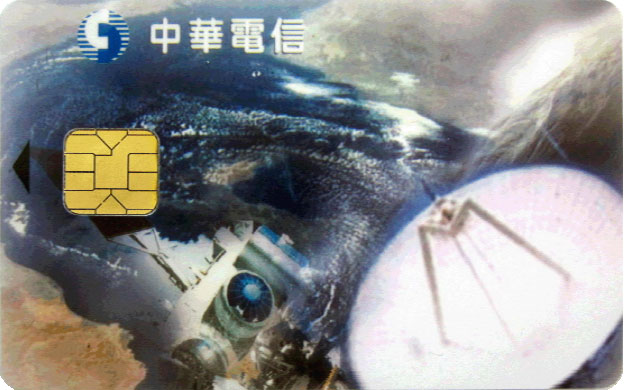
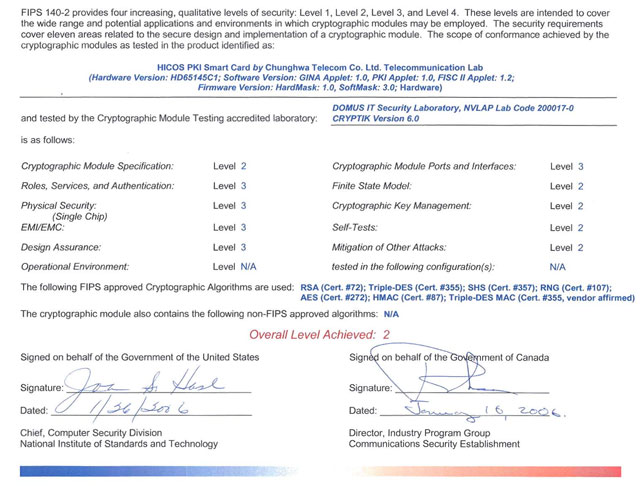
			P { margin-bottom: 0.21cm; }A:link { }<p align="JUSTIFY" style="margin-bottom: 0cm"> <b><span style="background: rgb(255, 255, 0);">Fatal crypto flaw in some government-certified smartcards makes forgery a snap</span></b></p><p align="JUSTIFY" style="margin-bottom: 0cm"> <font color="rgb(0, 128, 0);">Với những chứng thực của chính phủ cho điều này bị gãy, </font><strong><font color="rgb(0, 128, 0);"><span style="font-weight: normal">NSA có thể không cần các cửa hậu.</span></font></strong></p><p align="JUSTIFY" style="margin-bottom: 0cm"> <font color="rgb(0, 128, 0);"><span style="background: rgb(255, 255, 0);">With government certifications this broken, the NSA may not need backdoors.</span></font></p><p align="JUSTIFY" style="margin-bottom: 0cm"> by Dan Goodin - Sept 16 2013, 10:25pm ICT</p><p align="JUSTIFY" style="margin-bottom: 0cm"> Theo: <a href="http://arstechnica.com/security/2013/09/fatal-crypto-flaw-in-some-government-certified-smartcards-makes-forgery-a-snap/2/">http://arstechnica.com/security/2013/09/fatal-crypto-flaw-in-some-government-certified-smartcards-makes-forgery-a-snap/2/</a></p><p align="JUSTIFY" style="margin-bottom: 0cm"> Bài được đưa lên Internet ngày: 16/09/2013</p><p align="JUSTIFY" style="margin-bottom: 0cm"> by <a href="http://arstechnica.com/author/dan-goodin/">Dan Goodin</a> - Sept 16 2013, 10:25pm ICT</p><p align="JUSTIFY" style="margin-bottom: 0cm"> <font color="rgb(255, 0, 0);">Lời người dịch: Lỗi trong các thẻ thông minh được cấp cho các công dân Đài Loan dù được chính phủ chứng thực. “</font><font color="rgb(255, 0, 0);"><font size="3">Sự hỏng hóc có những tác động không chỉ đối với các công dân Đài Loan mà đối với các công nghệ mật mã được chứng thực quốc tế ở những nơi khác nữa. “Đây là một thực tế chung để quảng cáo các con chip như được chứng thực nếu chúng có được chứng chỉ trong một số phần của nó, nhưng chứng chỉ đó thực sự có ít ý nghĩa”, các nhà nghiên cứu đã nói cho Ars. “</font></font><font color="rgb(255, 0, 0);"><font size="3"><b>Toàn bộ hệ thống bị gãy đổ. 2 chứng chỉ đã không dừng được RNG phần cứng tồi trong thẻ đó; làm thế nào chúng ta có thể tin tưởng họ sẽ tìm thấy nhiều lỗi tinh vi hơn như các cửa hậu cố ý</b></font></font><font color="rgb(255, 0, 0);"><font size="3">”</font></font><font color="rgb(255, 0, 0);">”. </font><font color="rgb(255, 0, 0);">Xem các phần [<a href="http://vnfoss.blogspot.com/2013/09/loi-mat-ma-chet-nguoi-trong-cac-tin.html">01</a>] và [<a href="http://vnfoss.blogspot.com/2013/09/loi-mat-ma-chet-nguoi-trong-cac-tin_24.html">02</a>]. </font><font color="rgb(255, 0, 0);"><font size="3">Xem thêm: &#039;</font></font><a href="http://vnfoss.blogspot.com/2013/07/cac-bai-dich-lien-quan-toi-chuong-trinh.html"><font color="rgb(0, 0, 128);">Chương trình gián điệp PRISM trên không gian mạng</font></a><font color="rgb(255, 0, 0);"><font size="3">&#039;.</font></font></p><p align="JUSTIFY" style="margin-bottom: 0cm"> Các nhà nghiên cứu nói họ đã nói cho các quan chức trong chính phủ Đài Loan về các vấn đề đó và đã được nói rằng 10.000 thẻ có thể chịu những điểm yếu tương tự. Ước lượng, các nhà nghiên cứu đã nói cho Ars, từng dựa vào các hồ sơ nội bộ từ Bộ Nội vụ thì Cơ quan Chứng thực và Chunghwa Telecom, cơ quan chứng thực số chính thức của Đài Loan và nhà sản xuất thẻ thông minh, một cách tương ứng.</p><p align="JUSTIFY" style="margin-bottom: 0cm"> “Chính phủ nói rằng họ sẽ theo dõi và thay thế tất cả các thẻ có lỗi nhưng đã không thực hiện như vậy vào thời điểm viết bài này”, các nhà nghiên cứu đã nói cho Ars. “Vì thế mỗi người với một thẻ RSA – 1024 có thể có một thẻ yếu”. Các thẻ mới hơn RSA 2048 bit mà họ đã kiểm tra đã không bị các điểm yếu y hệt, dù họ đã không đưa ra khả năng các thẻ đó có chứa nhiều lổi tinh vi hơn mà làm cho chúng cũng có khả năng bị tổn thương.</p><p align="JUSTIFY" style="margin-bottom: 0cm"> <b>Không phải là lần đầu tiên</b></p><p align="JUSTIFY" style="margin-bottom: 0cm"> <a href="http://cdn.arstechnica.net/wp-content/uploads/2013/09/smartcard.jpg"><font color="rgb(0, 0, 128);"><img align="BOTTOM" border="1" height="187" name="đồ họa3" src="http://cdn.arstechnica.net/wp-content/uploads/2013/09/smartcard-300x187.jpg" width="300" /></font></a></p><p align="JUSTIFY" style="margin-bottom: 0cm"> <a href="http://cdn.arstechnica.net/wp-content/uploads/2013/09/smartcard.jpg"><font color="rgb(0, 0, 128);"><font size="3">Một trong những thẻ thông minh bị ảnh hưởng, từ hãng Chunghwa Telecom. NIST</font></font></a></p><p align="JUSTIFY" style="margin-bottom: 0cm"> <a href="http://cdn.arstechnica.net/wp-content/uploads/2013/09/smartcard.jpg"><font color="rgb(0, 0, 128);">Sự phát hiện có các gốc rễ trong nghiên cứu được xuất bản vào năm ngoái đã tạo ra sự phát hiện đáng ngạc nhiên khác: 4 trong mỗi 1.000 khóa 1024 bit được thấy trên Internet đã không cung cấp an ninh mật mã nào cả. <font color="rgb(255, 0, 0);">Lý do: đối với các khóa Chứng chỉ Số Công dân của Đài Loan, hầu hết 27.000 khóa không có giá trị về mật mã họ đã thấy các số đầu được chia sẻ với ít nhất một khóa khác</font>. Một trong số các đội nghiên cứu đã phát hiện các khóa sau này đã đưa ra một phân tích chi tiết về những gì không đúng. Vì hầu hết tất cả các khóa từng là từ các chứng thực “tự ký” được sử dụng để bảo vệ các bộ định tuyến router và các thiết bị khác, các nhà nghiên cứu đã hồ nghi các phần cứng thiếu các RNG mạnh khỏe được thấy trong các nền tảng và ứng dụng tiên tiến hơn.</font></a></p><p align="JUSTIFY" style="margin-bottom: 0cm"> <a href="http://cdn.arstechnica.net/wp-content/uploads/2013/09/smartcard.jpg"><font color="rgb(0, 0, 128);">2 trong số 3 khỹ thuật toán học được sử dụng để làm yếu tố mà các khóa trong các thẻ thông minh của Đài Loan là phổ biến và không tinh vi phức tạp. Chúng là các phép chia thử và sử dụng các đồ như là Thuật toán Ước số chung lớn nhất Nhị phân cho việc tìm các ước số chung lớn nhất. Một kỹ thuật thứ 3 được biết tới như là cuộc tấn công Coppersmith là tiên tiến hơn đáng kể, và các nhà nghiên cứu nói nó đại diện cho thời điểm được ghi đầu tiên mà nó đã từng được sử dụng để phá một hệ thống mật mã. </font></a></p><p align="JUSTIFY" style="margin-bottom: 0cm"> <a href="http://cdn.arstechnica.net/wp-content/uploads/2013/09/smartcard.jpg"><font color="rgb(0, 0, 128);">Tất cả 3 kỹ thuật có thể được triển khai trong các máy tính không phức tạp để tạo nhân tố cho các khóa yếu chỉ trong vài giờ. Việc sử dụng các phương pháp và phần cứng y hệt để tạo nhân tố cho các khóa 1024 bit được sinh ra một cách phù hợp có thể “không thấy các số đầu đó trong đời sống được mong đợi của vũ trụ”, các nhà nghiên cứu nói. (Cái khác, các thuật toán phức tạp hơn, khi triển khai trên các siêu máy tính, đại diện cho một mối đe dọa còn lớn hơn nhiều đối với các khóa 1024 bit), </font></a></p><p align="JUSTIFY" style="margin-bottom: 0cm"> <a href="http://cdn.arstechnica.net/wp-content/uploads/2013/09/smartcard.jpg"><font color="rgb(0, 0, 128);">“Các kết quả của chúng tôi làm cho khá rõ rằng nỗ lực tính toán mà chúng tôi bỏ ra càng nhiều, thì thì càng nhiều khóa hơn chúng tôi có khả năng để tạo các nhân tố”, các nhà nghiên cứu viết. “Chúng tôi đã tính toán đủ để minh họa sự nguy hiểm, nhưng một kẻ tấn công có động lực có thể dễ dàng đi xa hơn”. </font></a></p><p align="JUSTIFY" style="margin-bottom: 0cm"> <a href="http://cdn.arstechnica.net/wp-content/uploads/2013/09/smartcard.jpg"><font color="rgb(0, 0, 128);"><font size="3">Sống còn như sự sinh số ngẫu nhiên (RNG) là an ninh mật mã, nhiệm vụ vẫn giữ là khó ghê gớm để làm. Nó đòi hỏi một máy tính triển khai những gì các nhà khoa học gọi là hành vi không tất định, thường gây ra sự hoạt động sai trong hầu hết các ngữ cảnh khác. Thường thì, các lỗi cực kỳ tinh vi có thể gây ra cho các RNG, giả thiết là mạnh mẽ, để làm giảm đầu ra có khả năng đoán trước được cao độ. Một ví dụ là một chỗ bị tổn thương hầu như chết người trong phát tán Debian của Linux. Lỗi không được chú ý tới đã gây ra cho các máy bị tổn thương để tạo ra các khó mật mã yếu nguy hiểm trong hơn 20 tháng trước khi nó được chuẩn đoán và sửa vào giữa năm 2008. </font> </font></a></p><p align="JUSTIFY" style="margin-bottom: 0cm"> <a href="http://cdn.arstechnica.net/wp-content/uploads/2013/09/smartcard.jpg"><font color="rgb(0, 0, 128);"><img align="BOTTOM" border="0" height="287" name="đồ họa4" src="http://cdn.arstechnica.net/wp-content/uploads/2013/09/certificate.jpg" width="378" /></font></a></p><p align="JUSTIFY" style="margin-bottom: 0cm"> <a href="http://cdn.arstechnica.net/wp-content/uploads/2013/09/smartcard.jpg"><font color="rgb(0, 0, 128);">Chứng chỉ hợp lệ FIPS 140-2 cho một trong những thẻ thông minh bị ảnh hưởng. NIST.</font></a></p><p align="JUSTIFY" style="margin-bottom: 0cm"> <a href="http://cdn.arstechnica.net/wp-content/uploads/2013/09/smartcard.jpg"><font color="rgb(0, 0, 128);">Để ngăn ngừa các sai lầm thông thường đó, các cơ quan tiêu chuẩn được các chính phủ khắp thế giới đỡ đầu đã tạo ra một tập hợp các hệ thống mật mã với các tiêu chí khắt khe phải vượt qua để nhận được các chứng chỉ mà có thể được tin cậy. Các chứng chỉ thường là một điều kiện của một nền tảng phần cứng hoặc phần mềm đang được áp dụng hoặc được cơ quan chính phủ hoặc nhà thầu mua. </font></a></p><p align="JUSTIFY" style="margin-bottom: 0cm"> <a href="http://cdn.arstechnica.net/wp-content/uploads/2013/09/smartcard.jpg"><font color="rgb(0, 0, 128);"><font color="rgb(255, 0, 0);">Nhưng bất chấp việc vượt qua được cả FIPS 140-2 Mức 2 và các tiêu chuẩn theo Commom Criteria (Các tiêu chí chung), thì qui trình RNG được sử dụng để sinh ra các thẻ yếu rõ ràng đã không đáp ứng được các yêu cầu bắt buộc của chúng</font>. FIPS 140, ví dụ, chỉ định rằng đầu ra của một RNG phần cứng trong bộ xử lý của thẻ thông minh phải (a) được tự do thông qua các kiểm thử để kiểm tra liệu có là sự ngẫu nhiên và không có thiên vị, và chỉ sau đó có thể có đầu ra (b) được sử dụng như là một nhân cho cái gọi là bộ sinh bit ngẫu nhiên tất định, trong nhiều thiết lập được tham chiếu tới như là một RNG giả mạo. RNG phần cứng từng được AE45C1 cung cấp, một CPU được Renesas sản xuất mà ngồi trên đỉnh của thẻ thông minh. Bộ sinh bit ngẫu nhiên tất định từng được phân dẻo của thẻ thông minh dẫn dắt được Chunghwa Telecom cung cấp. </font></a></p><p align="JUSTIFY" style="margin-bottom: 0cm"> <a href="http://cdn.arstechnica.net/wp-content/uploads/2013/09/smartcard.jpg"><font color="rgb(0, 0, 128);">“Khá rõ rằng không bước nào đã xảy ra trong trường hợp này”, các nhà nghiên cứu đã nói cho Ars. “Thậm chí không có việc thực hiện bước (a), bước (b) sẽ phải có các khóa xuất hiện ngẫu nhiên một cách riêng rẽ, thậm chí nếu chúng từng không. Thay vào đó, các khóa nhân tố có các chuỗi dài 0 bit hoặc các mẫu bit theo chu kỳ mà gợi ý bước (b) đó đã bị bỏ qua, và những gì chúng ta thấy là đầu ra không bị ảnh hưởng đối với các phần cứng không chạy sai”. </font></a></p><p align="JUSTIFY" style="margin-bottom: 0cm"> <font color="rgb(0, 0, 128);"><a href="http://cdn.arstechnica.net/wp-content/uploads/2013/09/smartcard.jpg">7 nhà nghiên cứu là <font size="3">Daniel J. Bernstein, Yun-An Chang, Chen-Mou Cheng, Li-Ping Chou, Nadia Heninger, Tanja Lange, và Nicko van Someren. Nhiều thông tin hơn về họ và các phát hiện của họ sẵn sàng </font></a><font size="3"><a href="http://smartfacts.cr.yp.to/">ở đây</a>. </font><font color="rgb(255, 0, 0);"><font size="3">Sự hỏng hóc có những tác động không chỉ đối với các công dân Đài Loan mà đối với các công nghệ mật mã được chứng thực quốc tế ở những nơi khác nữa</font></font><font size="3">. </font> </font></p><p align="JUSTIFY" style="margin-bottom: 0cm"> <font color="rgb(0, 0, 128);"><font color="rgb(255, 0, 0);">“<font size="3">Đây là một thực tế chung để quảng cáo các con chip như được chứng thực nếu chúng có được chứng chỉ trong một số phần của nó, nhưng chứng chỉ đó thực sự có ít ý nghĩa”, các nhà nghiên cứu đã nói cho Ars. “Toàn bộ hệ thống bị gãy đổ. 2 chứng chỉ đã không dừng được RNG phần cứng tồi trong thẻ đó; làm thế nào chúng ta có thể tin tưởng họ sẽ tìm thấy nhiều lỗi tinh vi hơn như các cửa hậu cố ý”</font></font><font size="3">.</font></font></p><p align="JUSTIFY" style="margin-bottom: 0cm"> <font color="rgb(0, 0, 128);"><font size="3"><span style="background: rgb(255, 255, 0);">The researchers said they informed officials in Taiwan&#039;s government of the problems and were told that as many as 10,000 cards might suffer similar weaknesses. The estimate, the researchers told Ars, were based on internal records f-rom the <a href="http://moica.nat.gov.tw/html/en/index.htm">Ministry of Interior Certificate Authority</a> and <a href="http://www.cht.com.tw/en/">Chunghwa Telecom</a>, Taiwan&#039;s official digital certificate authority and the smartcard manufacturer, respectively.</span></font></font></p><p align="JUSTIFY" style="margin-bottom: 0cm"> <font color="rgb(0, 0, 128);"><span style="background: rgb(255, 255, 0);">&quot;The government claims that they will track down and replace all the flawed cards but hasn&#039;t done so at the time of writing,&quot; the researchers told Ars. &quot;So everybody with an RSA-1024 card could have a weak one.&quot; The newer RSA 2048-bit cards they examined didn&#039;t suffer f-rom the same weaknesses, although they didn&#039;t rule out the possibility those cards contain more subtle flaws that make them just as vulnerable.</span></font></p><p align="JUSTIFY" style="margin-bottom: 0cm"> <font color="rgb(0, 0, 128);"><span style="background: rgb(255, 255, 0);">Not the first time</span></font></p><p align="JUSTIFY" style="margin-bottom: 0cm"> <font color="rgb(0, 0, 128);"><a href="http://cdn.arstechnica.net/wp-content/uploads/2013/09/smartcard.jpg"><font color="rgb(0, 0, 128);"><img align="BOTTOM" border="1" height="187" name="đồ họa1" src="http://cdn.arstechnica.net/wp-content/uploads/2013/09/smartcard-300x187.jpg" width="300" /></font></a></font></p><p align="JUSTIFY" style="margin-bottom: 0cm"> <font color="rgb(0, 0, 128);"><font color="rgb(0, 0, 128);"><font size="3"><a href="http://cdn.arstechnica.net/wp-content/uploads/2013/09/smartcard.jpg">Enlarge</a> / One of the affected smartcards, f-rom Chunghwa Telecom Co., Ltd. </font> </font></font></p><p align="JUSTIFY" style="margin-bottom: 0cm"> <font color="rgb(0, 0, 128);"><font color="rgb(0, 0, 128);"><span style="background: rgb(255, 255, 0);">NIST</span></font></font></p><p align="JUSTIFY" style="margin-bottom: 0cm"> <font color="rgb(0, 0, 128);"><font color="rgb(0, 0, 128);"><font size="3"><span style="background: rgb(255, 255, 0);">The discovery has roots in research published last year that made another astonishing discovery: four of every 1,000 1024-bit keys found on the Internet <a href="http://arstechnica.com/business/2012/02/crypto-shocker-four-of-every-1000-public-keys-provide-no-security/">provided no cryptographic security at all</a>. The reason: as with Taiwan&#039;s Citizen Digital Certificate keys, the almost 27,000 cryptographically worthless keys they found shared primes with at least one other key. One of the research teams that discovered the keys later released a <a href="https://factorable.net/paper.html">detailed analysis of what went wrong</a>. Since almost all the keys were f-rom &quot;self-signed&quot; certificates used to protect routers and other devices, the researchers speculated the hardware lacked the robust RNGs found in more advanced platforms and applications.</span></font></font></font></p><p align="JUSTIFY" style="margin-bottom: 0cm"> <font color="rgb(0, 0, 128);"><font color="rgb(0, 0, 128);"><font size="3"><span style="background: rgb(255, 255, 0);">Two of the three mathematical techniques used to factor the keys in the Taiwanese smartcards are well-known and unsophisticated. They are <a href="http://en.wikipedia.org/wiki/Trial_division">trial division</a> and use of things like the <a href="https://en.wikipedia.org/wiki/Binary_GCD_algorithm#Iterative_version_in_C">Binary Greatest Common Divisory Algorithm</a> for finding <a href="https://en.wikipedia.org/wiki/Greatest_common_divisor">greatest common divisors</a>. A third technique know as <a href="https://en.wikipedia.org/wiki/Coppersmith%27s_Attack">Coppersmith&#039;s attack</a> is significantly more advanced, and the researchers said it represents the first recorded time it has been used to break a cryptographic system.</span></font></font></font></p><p align="JUSTIFY" style="margin-bottom: 0cm"> <font color="rgb(0, 0, 128);"><font color="rgb(0, 0, 128);"><span style="background: rgb(255, 255, 0);">All three techniques can be carried out on unsophisticated computers to factor weak keys in a matter of hours. Using the same methods and hardware to factor 1024-bit keys that are generated properly would &quot;not have found those primes within the expected lifetime of the universe,&quot; the researchers said. (Other, more sophisticated algorithms, when carried out on supercomputers, represent a much bigger threat to 1024-bit keys.)</span></font></font></p><p align="JUSTIFY" style="margin-bottom: 0cm"> <font color="rgb(0, 0, 128);"><font color="rgb(0, 0, 128);"><span style="background: rgb(255, 255, 0);">&quot;Our results make it pretty clear that the more computational effort we expend, the more keys we were able to factor,&quot; the researchers wrote. &quot;We did enough computation to illustrate the danger, but a motivated attacker could easily go further.&quot;</span></font></font></p><p align="JUSTIFY" style="margin-bottom: 0cm"> <font color="rgb(0, 0, 128);"><font color="rgb(0, 0, 128);"><font size="3"><span style="background: rgb(255, 255, 0);">As crucial as random number generation (RNG) is to cryptographic security, the task remains maddeningly difficult to do. It requires a computer to carry out what scientists call non-deterministic behavior, which typically causes malfunctions in most other contexts. Frequently, extremely subtle bugs can cause RNGs, assumed to be robust, to produce highly predictable output. One example was an <a href="http://www.theregister.co.uk/2008/05/21/massive_debian_openssl_hangover/">almost catastrophic vulnerability in the Debian distribution of Linux</a>. The overlooked bug caused vulnerable machines to generate dangerously weak cryptographic keys for more than 20 months before it was diagnosed and fixed in mid 2008.</span></font></font></font></p><p align="JUSTIFY" style="margin-bottom: 0cm"> <font color="rgb(0, 0, 128);"><font color="rgb(0, 0, 128);"><img align="BOTTOM" border="0" height="287" name="đồ họa2" src="http://cdn.arstechnica.net/wp-content/uploads/2013/09/certificate.jpg" width="378" /></font></font></p><p align="JUSTIFY" style="margin-bottom: 0cm"> <font color="rgb(0, 0, 128);"><font color="rgb(0, 0, 128);"><span style="background: rgb(255, 255, 0);">The FIPS 140-2 Validation Certificate for one of the affected smartcards.</span></font></font></p><p align="JUSTIFY" style="margin-bottom: 0cm"> <font color="rgb(0, 0, 128);"><font color="rgb(0, 0, 128);"><span style="background: rgb(255, 255, 0);">NIST</span></font></font></p><p align="JUSTIFY" style="margin-bottom: 0cm"> <font color="rgb(0, 0, 128);"><font color="rgb(0, 0, 128);"><span style="background: rgb(255, 255, 0);">To prevent these common mistakes, standards bodies sponsored by governments around the world have cre-ated a set of rigid criteria cryptographic systems must pass to receive certifications that can be trusted. The certifications are often a condition of a hardware or software platform being adopted or purchased by the government agency or contractor.</span></font></font></p><p align="JUSTIFY" style="margin-bottom: 0cm"> <font color="rgb(0, 0, 128);"><font color="rgb(0, 0, 128);"><span style="background: rgb(255, 255, 0);">But despite passing both the FIPS 140-2 Level 2 and Common Criteria standards, the RNG process used to generate the weak cards clearly didn&#039;t meet their mandated requirements. FIPS 140, for instance, specifies that output of a hardware RNG on the processor of the smartcard must (a) be fed through tests to check whether it&#039;s random and unbiased, and only then can the output (b) be used as a seed for a so-called deterministic random bit generator, which in many settings is referred to as a pseudo RNG. The hardware RNG was provided by the AE45C1, a CPU manufactured by Renesas that sits on top of the smartcard. The deterministic random bit generator was driven by the smartcard firmware provided by Chunghwa Telecom.</span></font></font></p><p align="JUSTIFY" style="margin-bottom: 0cm"> <font color="rgb(0, 0, 128);"><font color="rgb(0, 0, 128);"><span style="background: rgb(255, 255, 0);">&quot;It&#039;s pretty clear that neither step happened in this case,&quot; the researchers told Ars. &quot;Even without performing step (a), step (b) should have made the keys appear individually random, even if they were not. Instead, the factored keys contained long strings of 0 bits or periodic bit patterns that suggest that step (b) was skipped, and what we see is the direct unwhitened output f-rom the malfunctioning hardware.&quot;</span></font></font></p><p align="JUSTIFY" style="margin-bottom: 0cm"> <font color="rgb(0, 0, 128);"><font color="rgb(0, 0, 128);"><font size="3"><span style="background: rgb(255, 255, 0);">The seven researchers are Daniel J. Bernstein, Yun-An Chang, Chen-Mou Cheng, Li-Ping Chou, Nadia Heninger, Tanja Lange, and Nicko van Someren. More information about them and their findings is available <a href="http://smartfacts.cr.yp.to/">here</a>. The failure has implications not only for the citizens of Taiwan but for internationally certified cryptographic technologies everywhe-re.</span></font></font></font></p><p align="JUSTIFY" style="margin-bottom: 0cm"> <font color="rgb(0, 0, 128);"><font color="rgb(0, 0, 128);"><span style="background: rgb(255, 255, 0);">&quot;It is a common practice to advertise chips as certified if they get certification on some part of it, but the certification actually means very little,&quot; the researchers told Ars. &quot;The whole system is broken. &quot;Two certifications didn&#039;t stop the bad hardware RNG on the card; how can we trust them to find more sophisticated flaws such as intentional back doors?&quot;</span></font></font></p><p align="JUSTIFY" style="margin-bottom: 0cm"> <font color="rgb(0, 0, 128);"><font color="rgb(0, 0, 128);">Dịch: Lê Trung Nghĩa</font></font></p><p align="JUSTIFY" style="margin-bottom: 0cm"> <font color="rgb(0, 0, 128);"><font color="rgb(0, 0, 128);"><font size="3"><a href="mailto:letrungnghia.foss@gmail.com">letrungnghia.foss@gmail.com</a> </font> </font></font></p>
		</div>
	</div>
	<div id="footer" class="clearfix">
		<div id="url">
			<strong>URL của bản tin này: </strong><a href="https://letrungnghia.mangvn.org/savefile/Security/Loi-mat-ma-chet-nguoi-trong-cac-the-tin-dung-do-mot-so-chinh-phu-chung-thuc-lam-gia-mao-nhanh-chong-Phan-2-va-het-4528.html" title="Lỗi mật mã chết người trong các thẻ tín dụng do một số chính phủ chứng thực làm giả mạo nhanh chóng - Phần 2 và hết">https://letrungnghia.mangvn.org/savefile/Security/Loi-mat-ma-chet-nguoi-trong-cac-the-tin-dung-do-mot-so-chinh-phu-chung-thuc-lam-gia-mao-nhanh-chong-Phan-2-va-het-4528.html</a>

		</div>
		<div class="clear"></div>
		<div class="copyright">
			&copy; Blog FOSS by Lê Trung Nghĩa
		</div>
		<div id="contact">
			<a href="mailto:webmaster@vinades.vn">webmaster@vinades.vn</a>
		</div>
	</div>
</div>
        <div id="timeoutsess" class="chromeframe">
            Bạn đã không sử dụng Site, <a onclick="timeoutsesscancel();" href="https://letrungnghia.mangvn.org/#">Bấm vào đây để duy trì trạng thái đăng nhập</a>. Thời gian chờ: <span id="secField"> 60 </span> giây
        </div>
        <div id="openidResult" class="nv-alert" style="display:none"></div>
        <div id="openidBt" data-result="" data-redirect=""></div>
<div id="run_cronjobs" style="visibility:hidden;display:none;"><img alt="cron" src="/index.php?second=cronjobs&amp;p=v5uiH887" width="1" height="1" /></div>
<script src="https://letrungnghia.mangvn.org/assets/js/jquery/jquery.min.js"></script>
<script>var nv_base_siteurl="/",nv_lang_data="vi",nv_lang_interface="vi",nv_name_variable="nv",nv_fc_variable="op",nv_lang_variable="language",nv_module_name="news",nv_func_name="savefile",nv_is_user=0, nv_my_ofs=7,nv_my_abbr="+07",nv_cookie_prefix="nv4c_Cgoz2",nv_check_pass_mstime=1738000,nv_area_admin=0,nv_safemode=0,theme_responsive=0,nv_recaptcha_ver=2,nv_recaptcha_sitekey="6LcNwC8UAAAAAMm8ZTYNygweLUQtOU0IapbDRk69",nv_recaptcha_type="image",XSSsanitize=1;</script>
<script src="https://letrungnghia.mangvn.org/assets/js/language/vi.js"></script>
<script src="https://letrungnghia.mangvn.org/assets/js/DOMPurify/purify3.js"></script>
<script src="https://letrungnghia.mangvn.org/assets/js/global.js"></script>
<script src="https://letrungnghia.mangvn.org/assets/js/site.js"></script>
<script src="https://letrungnghia.mangvn.org/themes/default/js/news.js"></script>
<script src="https://letrungnghia.mangvn.org/themes/default/js/main.js"></script>
<script src="https://letrungnghia.mangvn.org/themes/default/js/custom.js"></script>
<script type="application/ld+json">
        {
            "@context": "https://schema.org",
            "@type": "Organization",
            "url": "https://letrungnghia.mangvn.org",
            "logo": "https://letrungnghia.mangvn.org/uploads/letrungnghia/le-trung-nghia.png"
        }
        </script>
<script src="https://letrungnghia.mangvn.org/themes/default/js/bootstrap.min.js"></script>
</body>
</html>